New Central State Hospital
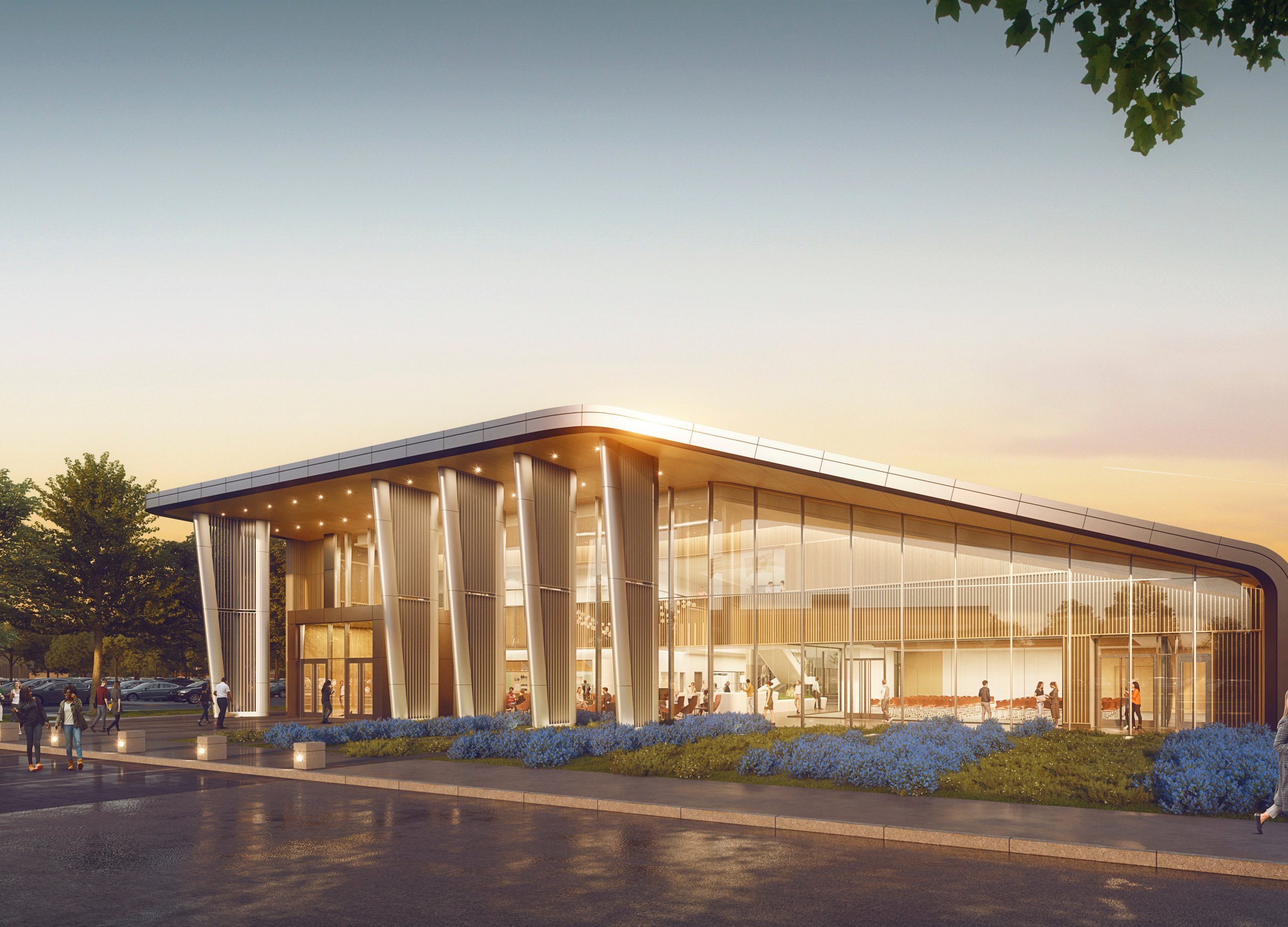
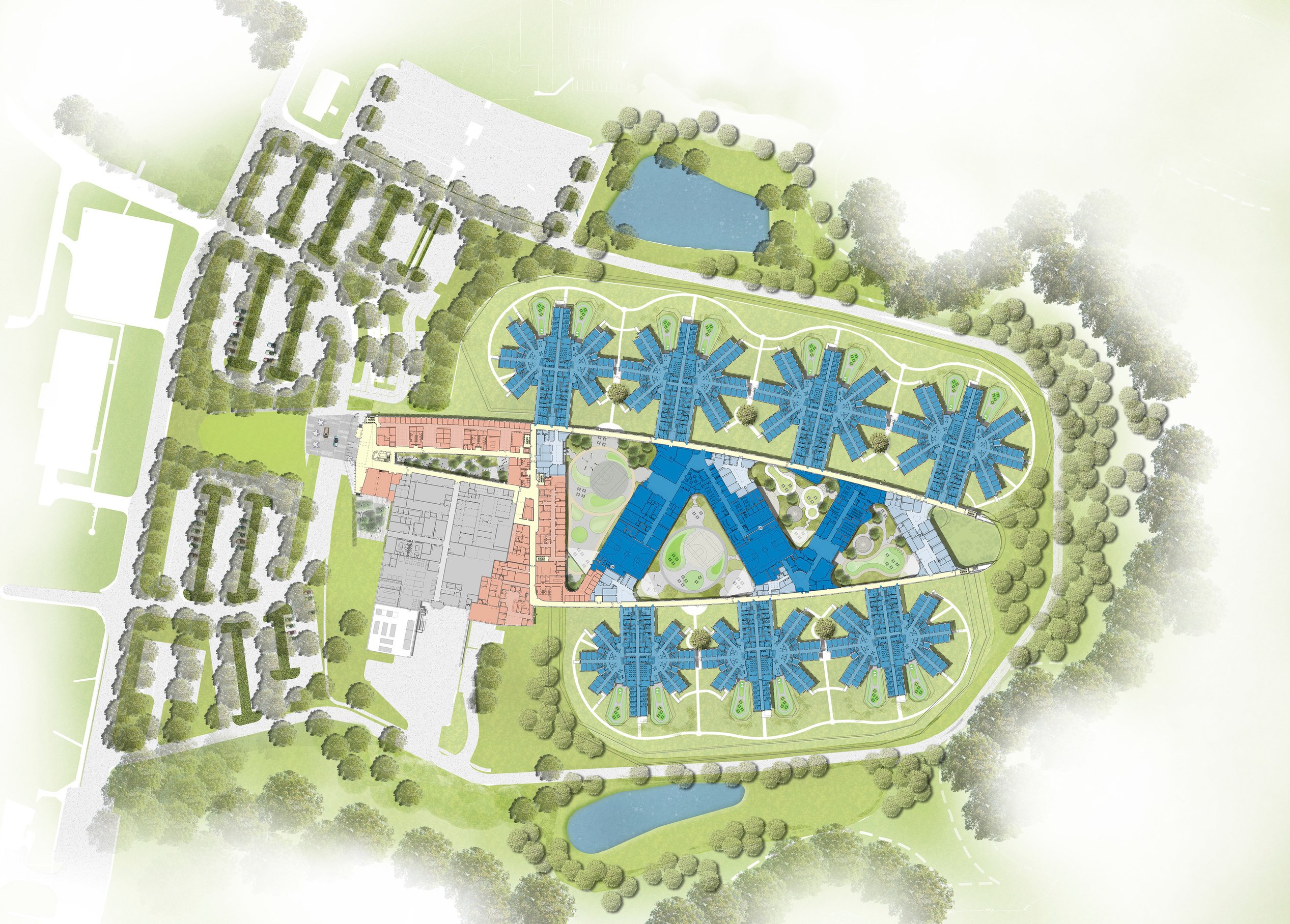
The new Central State Hospital reflects Virginia’s focus on providing high-quality, recovery-based behavioral health treatment. By prioritizing safety, flexibility, and dignity, Page’s design supports wellness and security with 252 beds, serving civil and maximum-security needs.
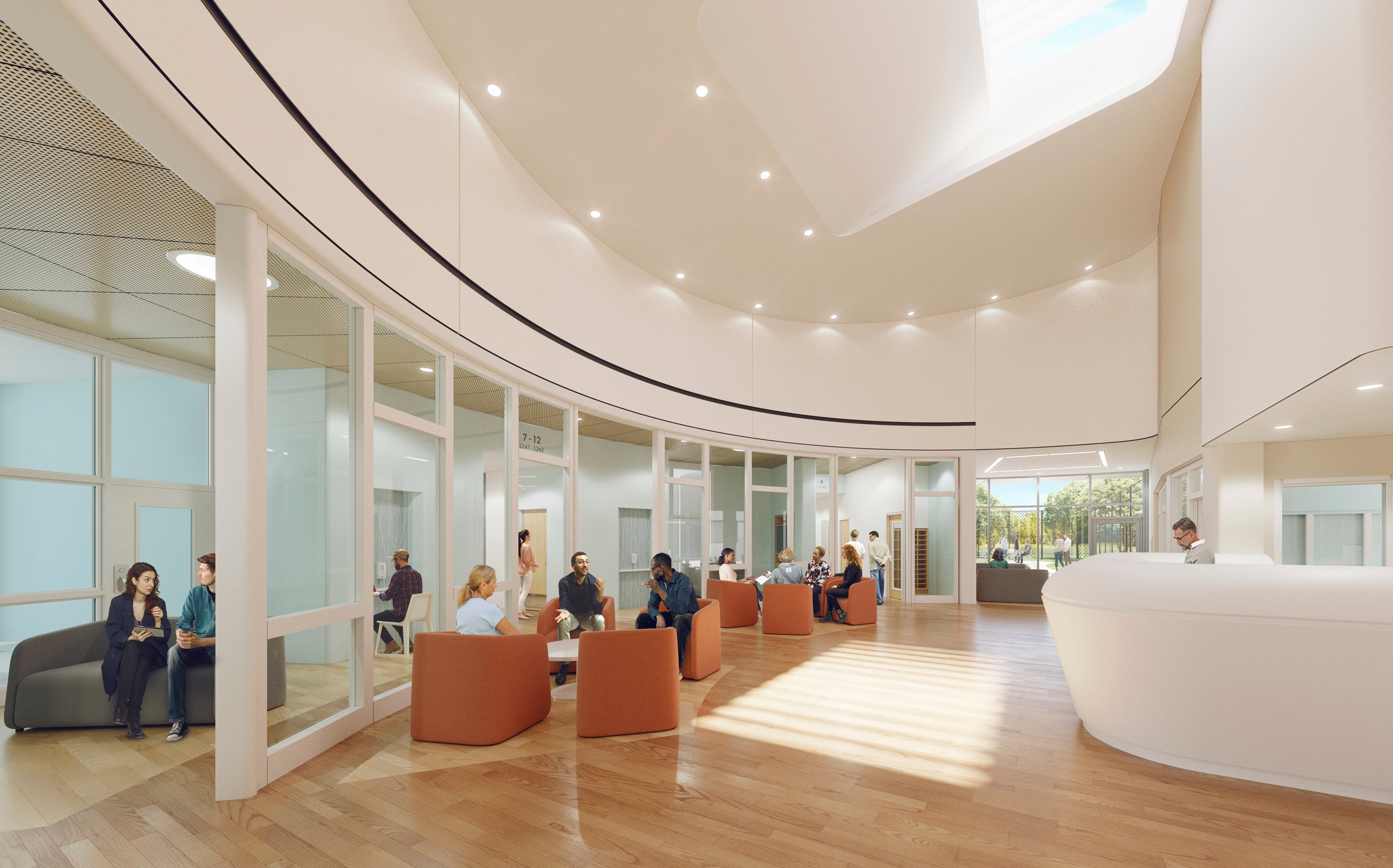
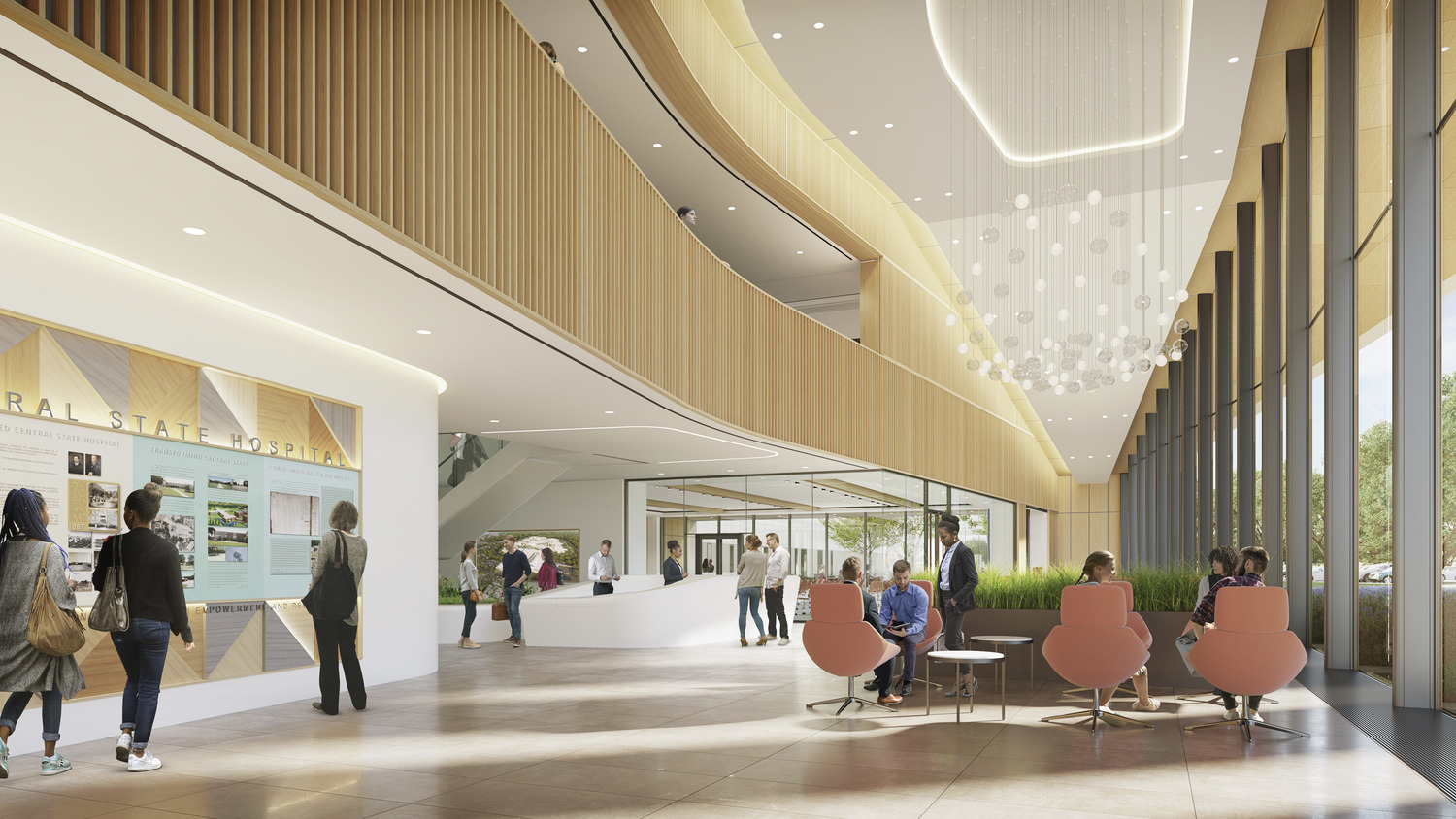
Building off Central’s centuries-old legacy, Page created a cohesive facility to modernize inpatient care within a single campus. Natural and biophilic elements were integrated into every living space, providing users with outdoor views in each room. Double-height common rooms and ample glazing cultivate a warm and friendly environment.
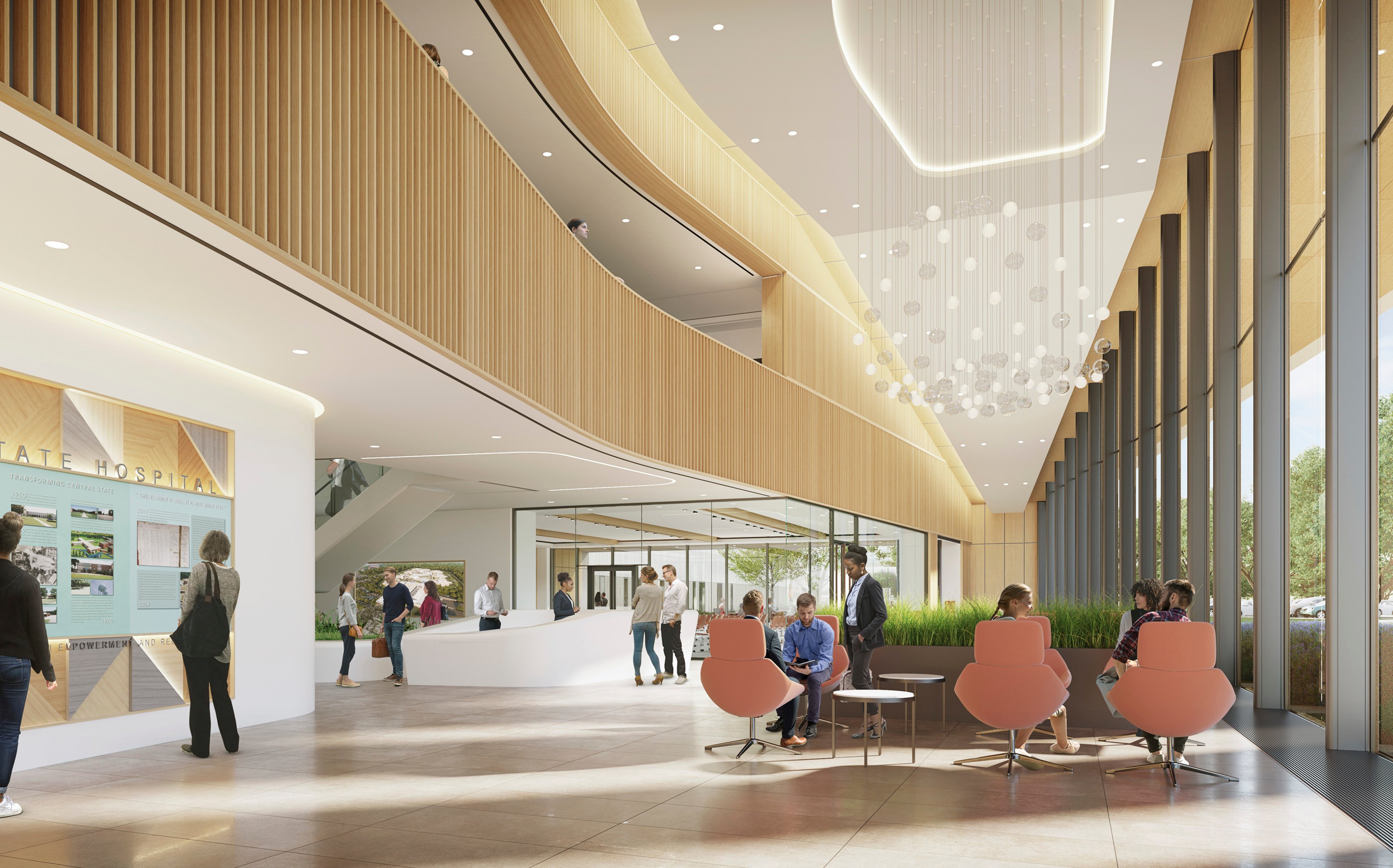
An expansive entryway featuring ambient light and high ceilings offers a welcoming space, while small-group rooms provide open-concept areas that enhance interpersonal connections. The team pioneered a three-tier organization of psychiatric patient spaces, featuring five “Program Communities,” a collection of common areas and counseling rooms serving as an additional middle-ground option between the 18-to-28 patient living units and the two treatment malls, each serving over 100 patients.
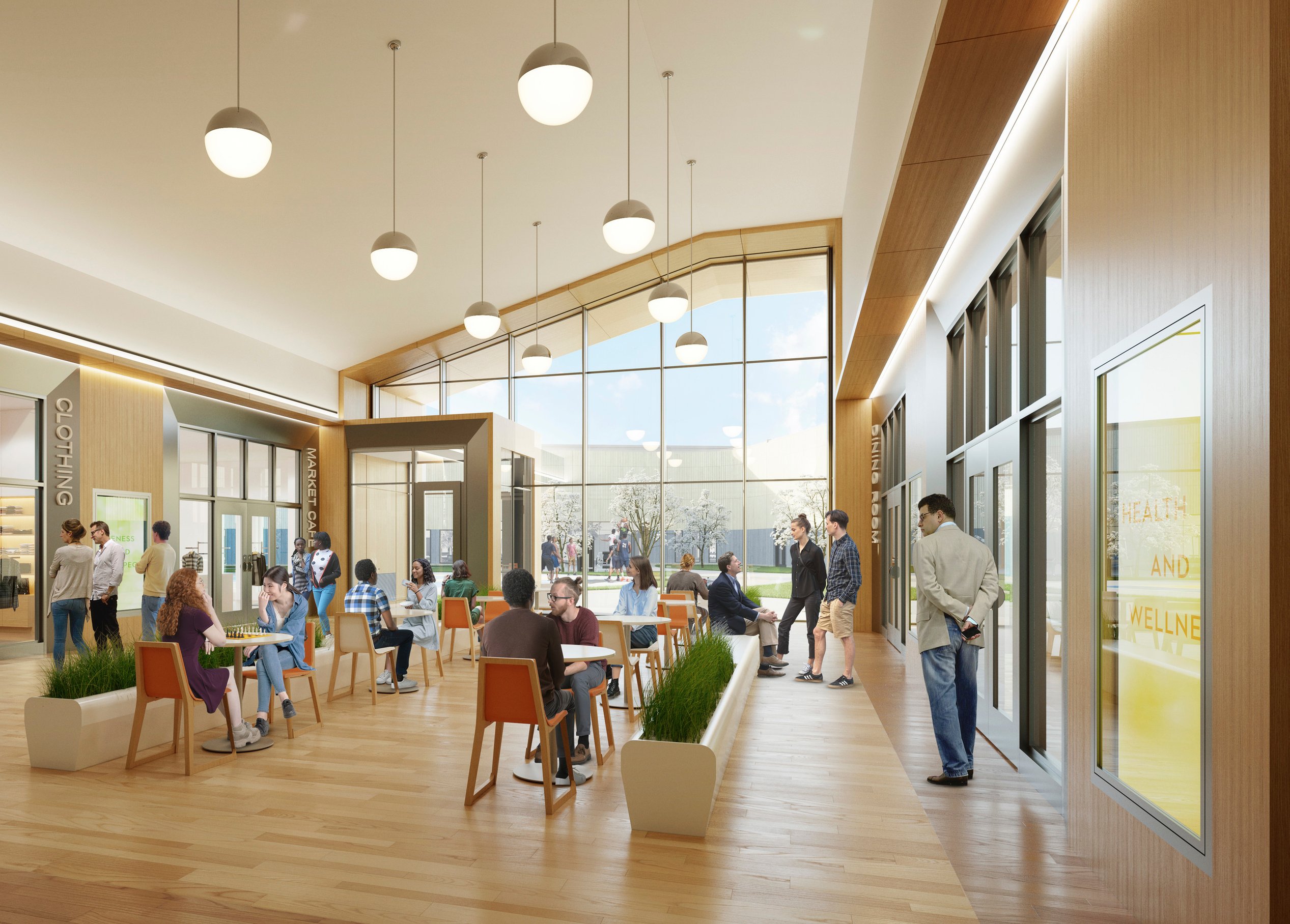
Keeping staff in mind, the team designed for passive observation by providing clear sightlines throughout patient spaces and to critical doors from defined observation points. Layouts allowing easy observation of historically problematic areas, like dining rooms, help minimize the risk of incidents. Generous corridor widths and ceiling heights reduce safety concerns while enhancing the feeling of well-being.
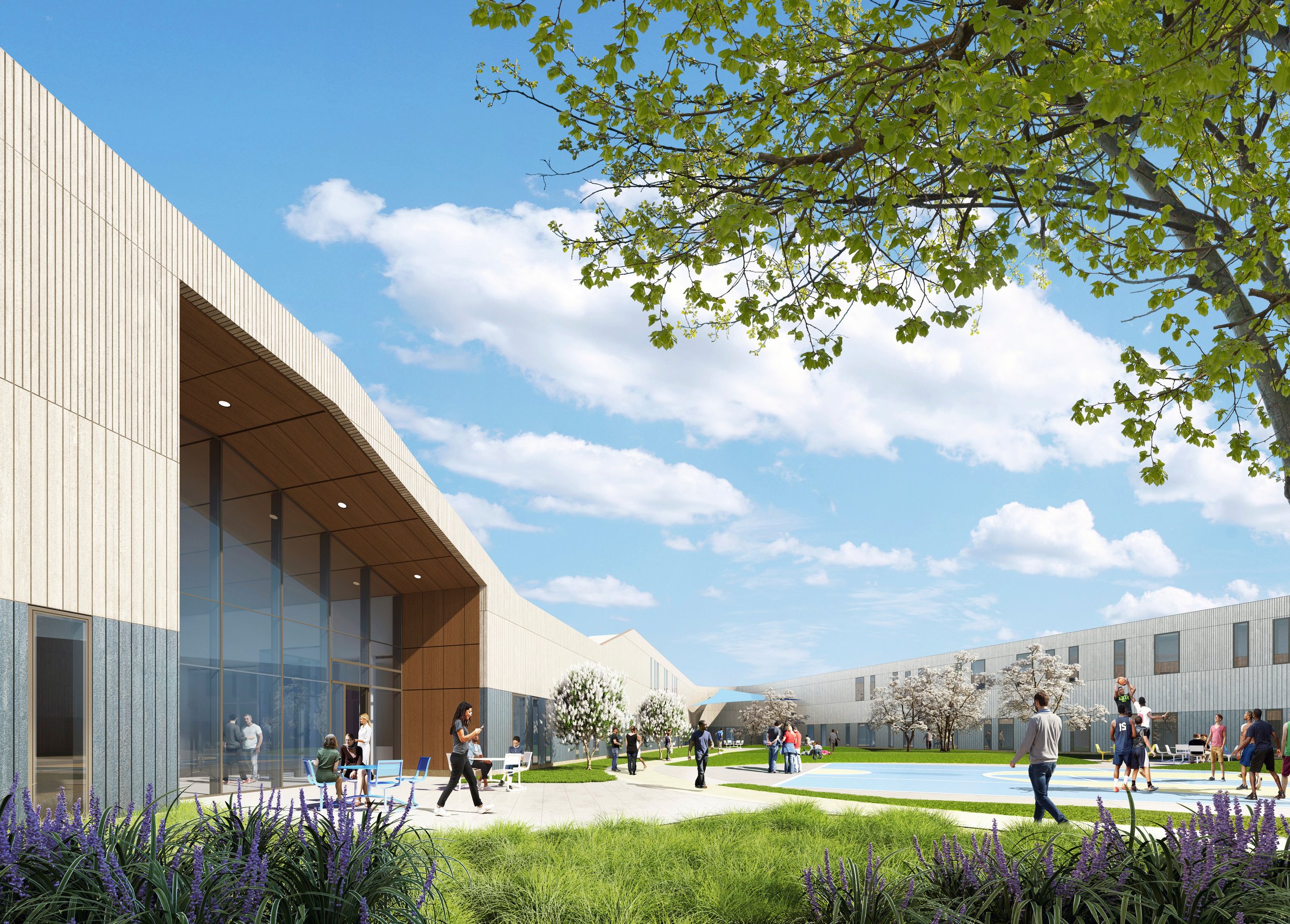
The campus’s safe outdoor spaces cultivate therapeutic recreational opportunities, offering a variety of amenities and diverse pursuits, from game-centered activities to more contemplative courtyards with meditative gardens.

“The new Central State Hospital incorporates many unique program elements that have been custom designed to support the state-of-art treatment techniques planned there, including five prognosis-specific Program Communities, individual treatment malls for max and civil patients, and multiple indoor and outdoor spaces designed in a way to integrate safety and a healing environment”Eric KernPrincipal, Behavioral Health DirectorWashington DC
/
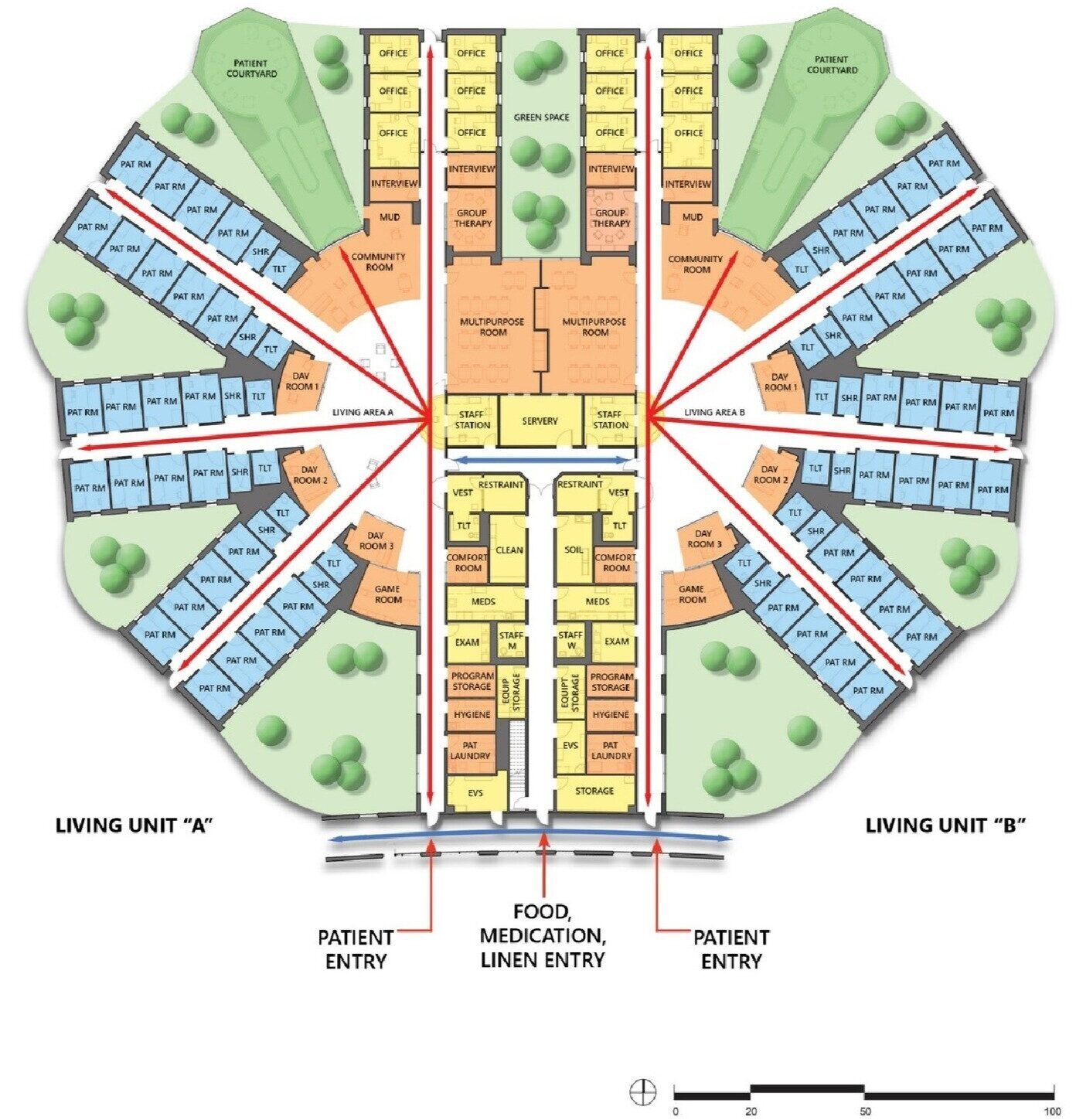
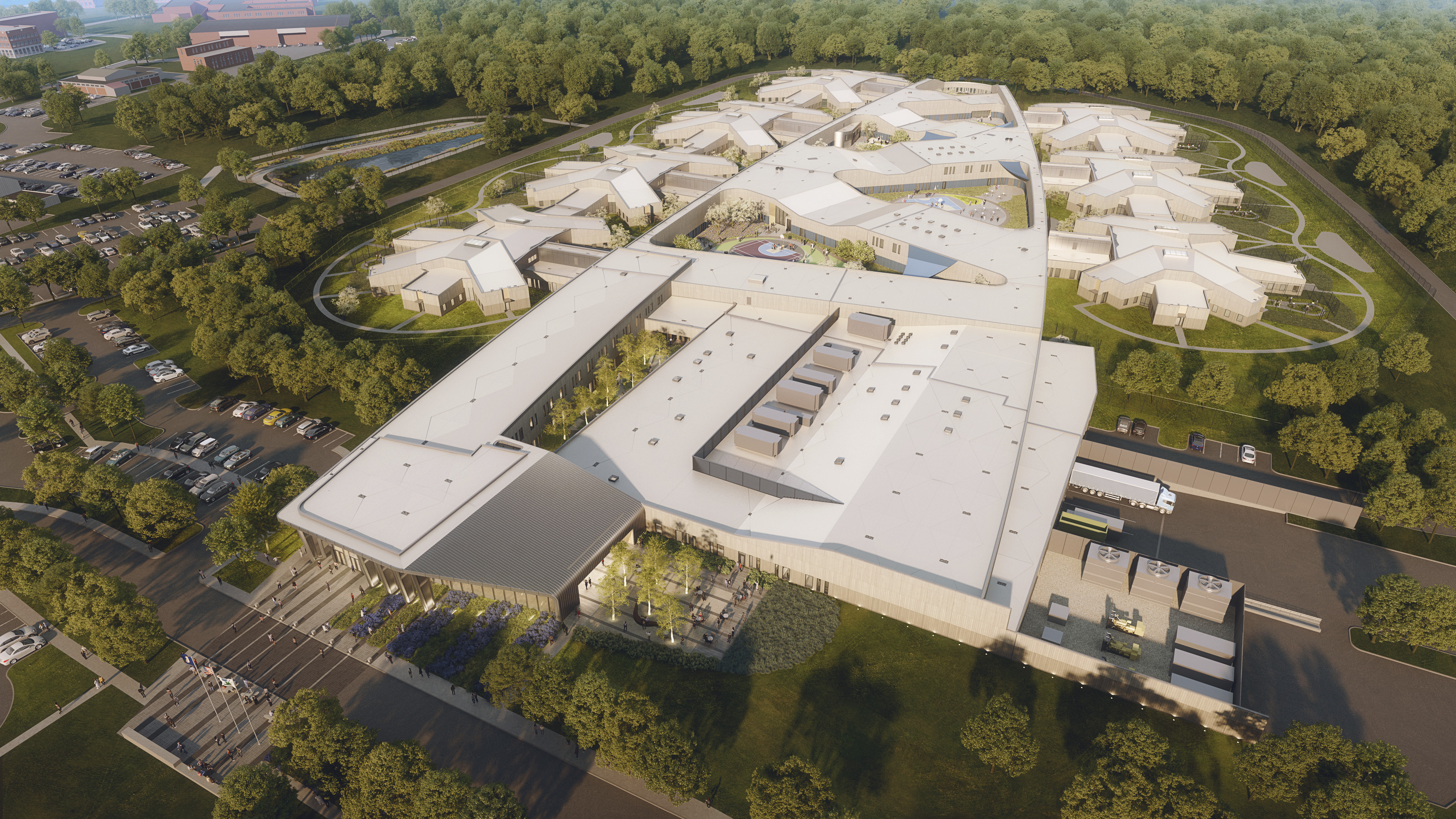
Early coordination of architecture and engineering design across the entire massive floor plate allowed the creation of a building-wide secure circulation solution to maintain engineering systems. Maintenance personnel enter protected pathways and travel above the patient spaces through dedicated hallways, never crossing the secure perimeter into patient areas.
Engineering
All HVAC equipment serving patient spaces – located on the first floor – is in the second-floor penthouse. The equipment is accessible to maintenance staff without ever crossing the secure patient perimeter, ensuring a layer of safety for both patients and maintenance staff. Maintenance and facility staff never need to enter patient space for routine adjustments and repairs, reducing the risk of misplaced harmful tools and decreasing disruption and distraction in patient treatment spaces. Additionally, this solution minimizes the need for accessible ceilings and access panels in patient spaces, enhancing design aesthetics and reducing departure risk. Air diffusers, lighting and plumbing fixtures, sprinkler heads, and other devices located in the treatment spaces are all designed and located to minimize or eliminate the possibility of harm to patients and staff.
The HVAC systems were also designed to provide safety against the spread of a viral infection. They can be isolated down the middle of the building, allowing one half of the building to isolate from the other half to prevent the spread of infection between pods. All centralized HVAC units are designed with high levels of filtration to remove airborne contaminants, creating a clean and healthy environment for all occupants.
Early coordination of architecture and engineering design across the entire massive floor plate allowed the creation of a building-wide secure circulation solution to maintain engineering systems. Maintenance personnel enter protected pathways and travel above the patient spaces through dedicated hallways, never crossing the secure perimeter into patient areas.
Fire safety integration
Balancing the demands of physical security, patient safety, and life safety with regulatory compliance is key in behavioral health. The fire protection engineering team worked closely with the healthcare planners, architects, and engineers to develop a unique strategy of fire areas, smoke compartments, egress courtyards, and exit passageways for a resilient and flexible defend-in-place and safe and secure egress solution. Working as an integrated team in partnership with our client and the authority having jurisdiction, we secured a compliance alternative that balanced these competing priorities.
Sustainability
Maximizing daylight where it matters most
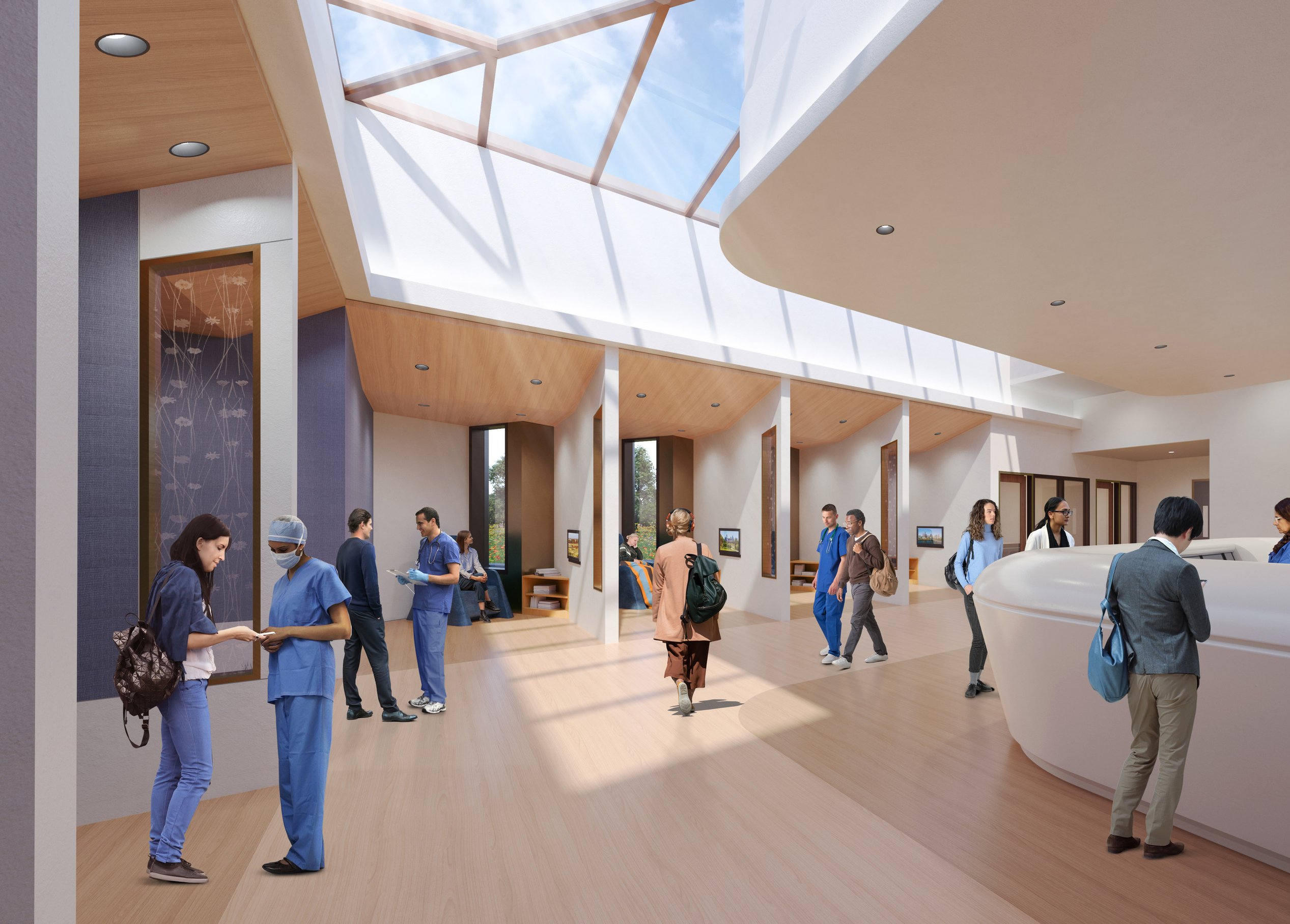
Daylight studies were integrated throughout the design process to ensure abundant natural light across the facility without causing visual discomfort. Special attention was given to high-use interior spaces, such as the dayroom, where occupants spend the most time.
The New Central State Hospital showcases how thoughtful, sustainable design can enhance patient well-being and environmental performance. Through a collaborative design process driven by data and insights, the project optimized energy efficiency, daylighting, and comfort to meet the unique needs of a behavioral health facility.
Carefully positioned windows and skylights fill patient rooms and dayrooms with natural light, reducing glare and minimizing direct sun exposure. Strategic programming and massing ensure that 86.5% of perimeter spaces receive ample daylight and quality views, supporting a calming, restorative atmosphere. Energy efficiency was a top priority from the outset.
Mechanical systems were precisely sized through energy modeling, resulting in a 40% reduction in heating and cooling loads. High-performance systems and energy-conscious design led to an impressive 52% reduction in energy use compared to ASHRAE 90.1-2010 standards, with an Energy Use Intensity (EUI) of 130.9 kBtu/ft²—translating into an estimated $500,000 in annual utility savings.
By blending sustainability with conscientious design, the hospital reduces operational costs and creates healthier, more comfortable spaces for patients and staff. This project is a testament to how data-driven, thoughtful strategies can create harmony between environmental responsibility and occupant well-being.
Bright days and dark nights keep our circadian rhythms in sync. This natural cycle shapes how we sleep, think, and feel. But as we spend more time in indoor settings, it’s easy for that rhythm to drift. Thoughtful design can help keep it on track.
At Central State Hospital, a 252-bed civil, forensic, and maximum security behavioral health facility, Page asked a simple question: how much light do residents actually get where they spend their time? The answer came from a circadian lighting analysis that focused on key spaces, like the dayroom and bedrooms.
In the dayroom, for example, light poured in through windows and skylights, yet winter days still left the space too dim for healthy circadian synchronization. So, Page pinpointed specific spots for circadian lighting upgrades, which kept costs low while giving residents the daylight cues they need for mental well-being.
Central State Hospital’s design is a reminder that when design works with our natural rhythms, even subtle changes can have an outsized impact on health and recovery.
Similar projects


/

Talk with us
Complex challenges need fresh perspectives and deep expertise. Connect with our team to explore how we can help you create spaces that make a real difference.