Publication
Health Forward Symposium Examines the Future of Pediatric Healthcare in 2050
The second annual Health Forward symposium hosted by Page, now Stantec, centered on one primary question: What will pediatric healthcare look like in 25 years? “We created a collaborative convergence of industry thought leaders, health partners, clients, and team members to continue this discourse on the future of health care. How are we going to break the status quo?” asked Healthcare Market Sector Leader Tushar Gupta, as he opened the symposium in Atlanta on Nov. 5, which was also live-streamed coast to coast.
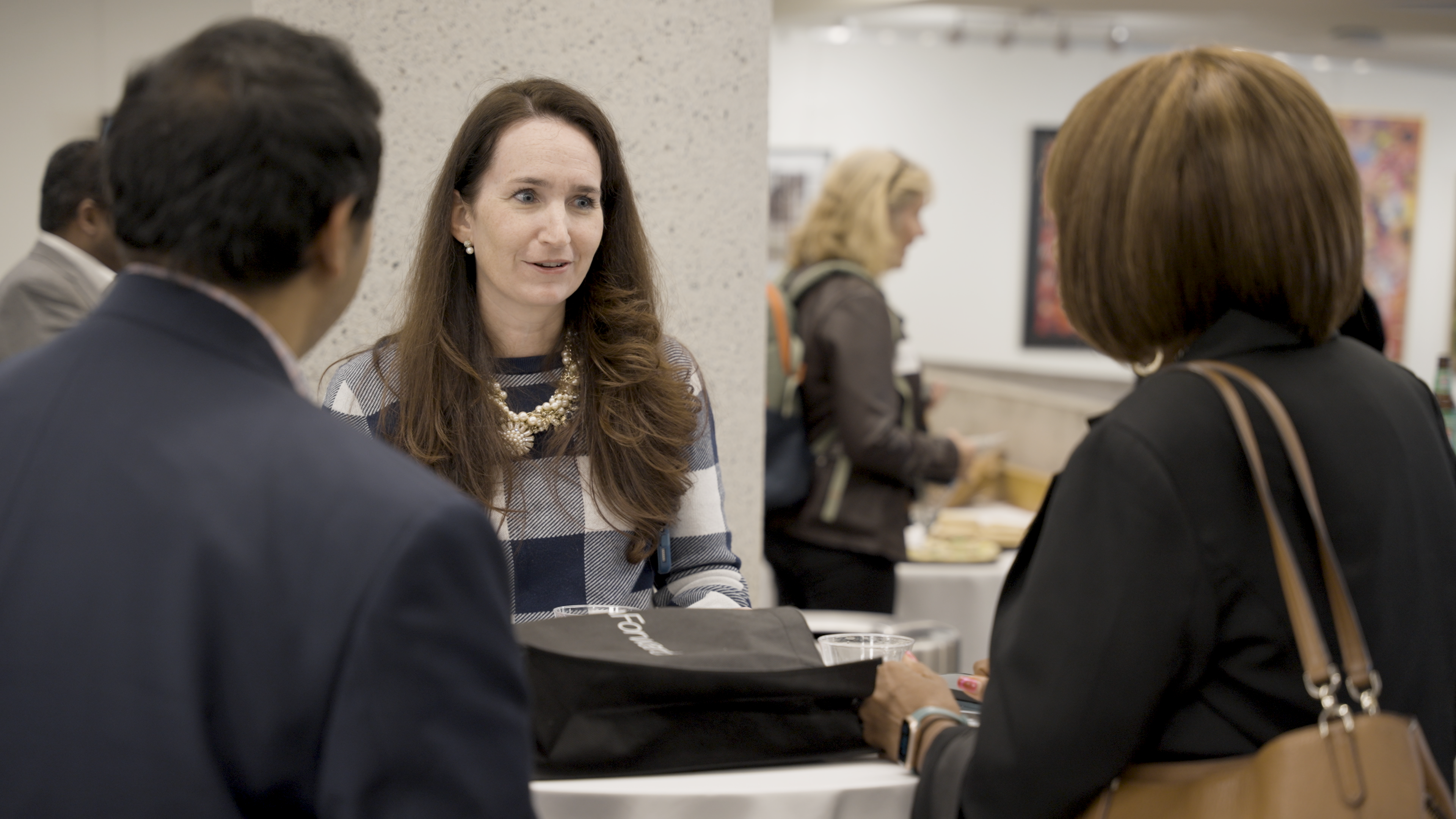
Sarah Walter, Page, now Stantec Director of Children’s Health
Director of Children’s Health Sarah Walter added that pediatric healthcare is one of the most powerful and enduring societal investments we can make. "That’s why children’s health warrants not only our attention but our most intentional focus,” she said. “Pediatric environments present both the greatest challenges and the greatest opportunities, and for decades our teams and partners have been at the forefront of this conversation. Today, through Health Forward, we continue that leadership by looking ahead and asking – what’s next?”

Jocelyn Herrington, VP of Strategic Partnerships for the Advisory Board and Opening Keynote Speaker
Opening keynote speaker Jocelyn Herrington, VP of Strategic Partnerships for the Advisory Board, addressed the state of the healthcare industry heading into 2026, which she summarized as “navigating uncertainty as industry assumptions unravel.”
The safety net is fragmenting, she said, and resources and control are becoming more diffused. “Healthcare stakeholders and incentives are misaligned. They have been for a while but were still managing to function.” Rural hospitals are facing shortfalls and closures, although pediatric hospitals won’t be hit as badly. Still, Medicaid is poised to take a big hit over the next decade, and 37 million children – nearly half of the children in the US – are covered by government-assisted healthcare.
Overall, however, Herrington sees the industry as resilient: “Healthcare is scrappy, mission-driven, and about people.”
Regional Healthcare Director Natale Stephens moderated a panel on pediatric mental and behavioral health and neurodiversity. “It is imperative that behavioral healthcare remain focused on the deeply human work of not only treating patients, but seeing them,” she said. “Safety alone is not enough; how do we help patients heal? The spaces we create can either reinforce stigma and separation or promote dignity, trust, and belonging. Reimagining environments invites you to listen not just for what but for why.”
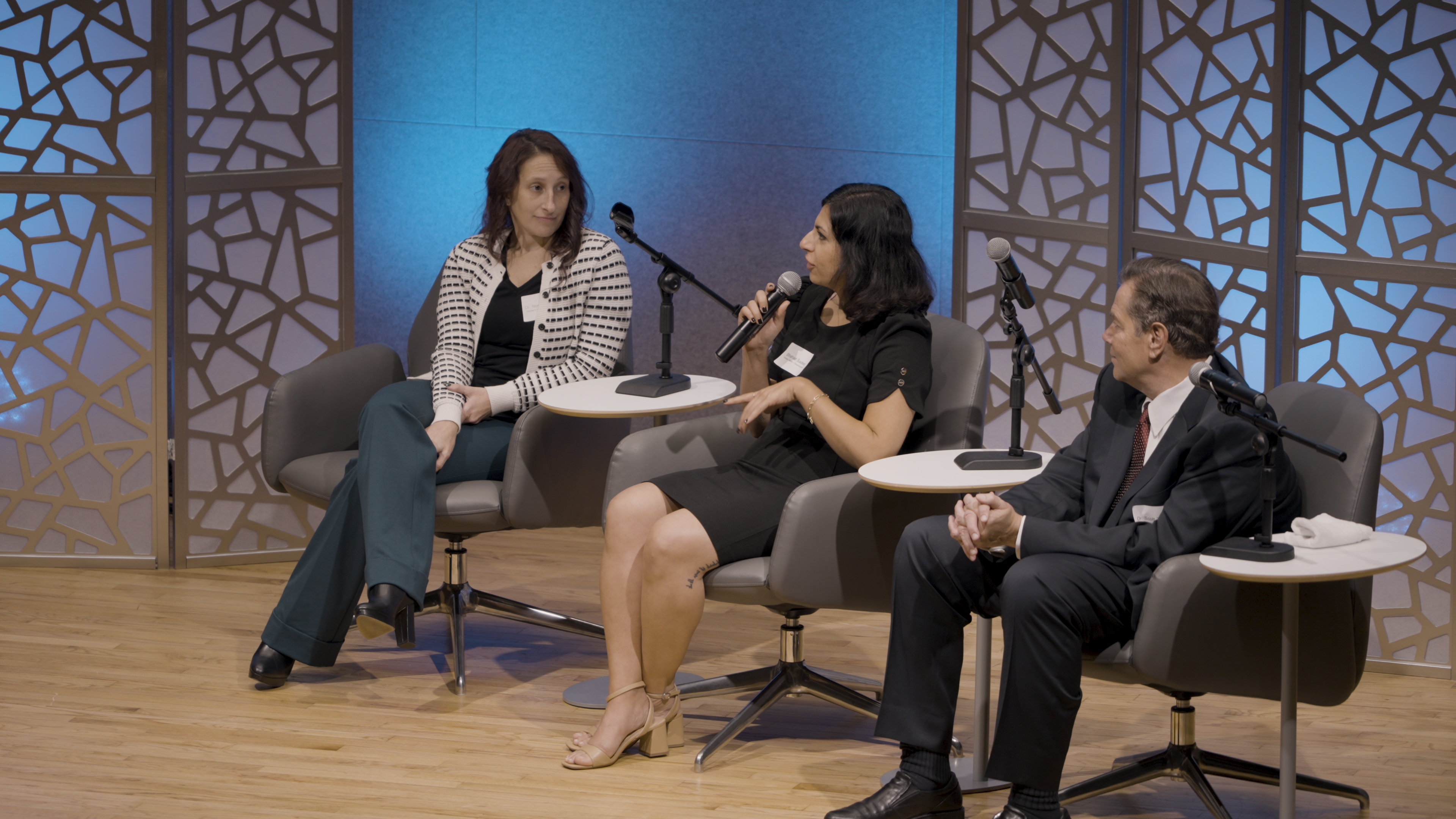
Nora Colman, critical care medicine physician, Children's Healthcare of Atlanta; Scott Zeller, creator of the EmPATH (Emergency, Psychiatric, Assessment, Treatment and Healing) model and leader of acute psychiatry at Vituity; Shahad Sadeq, architectural designer for Kinetic Design + Development
Nora Colman, a critical care medicine physician at Children’s Healthcare of Atlanta, noted there has been a significant rise in behavioral healthcare needs among pediatric patients, some of whom also have complex medical needs. “This pediatric epidemic sees one in six children needing mental and behavioral healthcare in the US. And there has been a rise in hospital admissions related to self-harming behavior.”
Colman emphasized the need to support all parts of the hospital in caring for these patients, from the ER to inpatient to the ICU. “There must be a careful balance in providing physical healthcare and behavioral healthcare,” she says.
Shahad Sadeq, an architectural designer for Kinetic Design + Development, views behavioral health through a “deeply personal lens” after suffering what she calls a “nervous breakdown” in 2020. “I grew up in the Middle East and we don’t really talk about behavioral health there,” she said, “so I just kept going. I ended up becoming suicidal, and friends convinced me to go to an inpatient care facility to stabilize. It was a loud and chaotic environment, and we were all triggering each other. It was overwhelming to say the least.”
She came away from the experience convinced that healing is helped or harmed by elements as varied as the color of the walls, the beauty of the landscaping, and the opportunities for socializing and personal autonomy. “Take my room, for example. I was grateful for a view to the outside,” she said. “But the bedding was not nearly enough to keep warm. I was always cold. There were constant safety checks and blazing lights, which did not allow for enough sleep. You have to confer dignity, to help patients feel human again.”
Scott Zeller, creator of the EmPATH (Emergency, Psychiatric, Assessment, Treatment and Healing) model and leader of acute psychiatry at Vituity, said the model works to de-escalate the situation. “Hospital ERs were the appropriate places to go, historically,” he said. “But we have created alternatives now.”
Patients with behavioral health issues, he said, should be treated the way we treat patients with chest pain or asthma who come to an ED: with quick assessment, a treatment plan, and medications if needed. EmPATH units are “basically ERs just for behavioral health emergencies. It’s a calming environment and staff are allies who make you feel like everything is going to go better from that point on.” Some patients sit in recliners in a common room while others might need a private, unlocked calming room. “This philosophy works just as well, if not better, for pediatric and adolescent populations,” Zeller said, adding that 36 states in the US have EmPATH units.
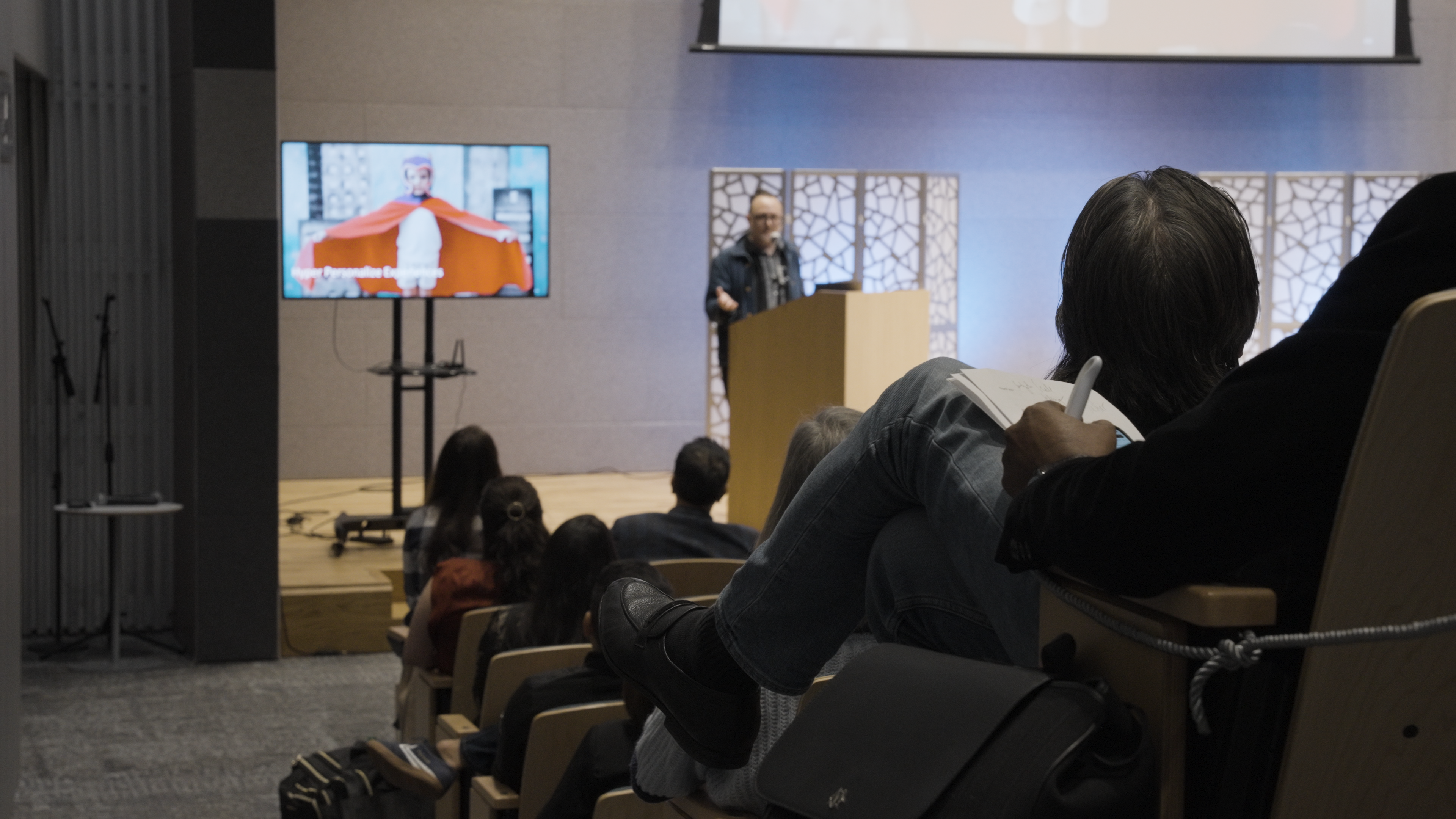
David Taglione, managing director of ICRAVE
The Technology and Innovation segment began with David Taglione, managing director of ICRAVE, a Journey studio, illuminating the user experience. “Our work at children’s hospitals was informed, in part, by our work at airports: both involve designing for anxiety. Cancer centers told us, ‘We have one of the most anxious situations anywhere: How do we design a space for people finding out they, or their family member, has cancer?”
One of the things that helped, he said, was being able to move freely through the hospital to find favorite places. “We built a ‘campsite’ for families where they could take over the space and call it their own, a kind of family commons living room – a completely nonclinical space in a clinical environment.” They also developed elaborate classrooms for hospitalized kids so they could tell friends, “‘Not only did I recover from cancer, but I went to the coolest classroom ever.’ It wasn’t about just cancer care.”
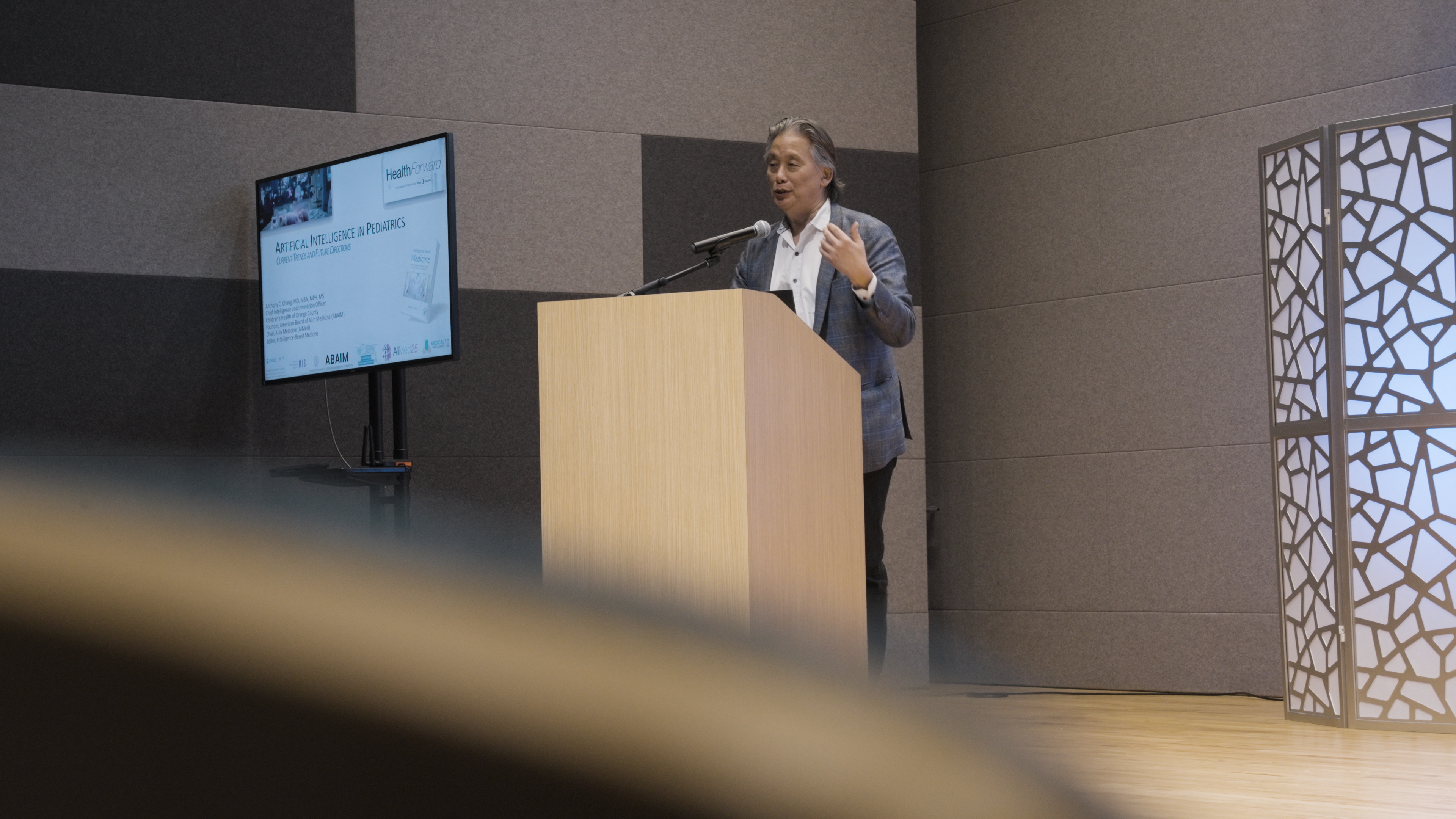
Anthony Chang, chief intelligence and innovation officer of Rady Children’s Health
Pediatric cardiologist Anthony Chang, chief intelligence and innovation officer of Rady Children’s Health, said the future of AI in pediatric healthcare is generative AI, agentic AI, and digital twins – but that doesn’t negate the need for human contact. “We are bringing AI into hospital settings, but we’re at a nadir in terms of the human touch. During a recent hospital visit, no one touched me except the student nurse trying to get an IV in. If we bring high-tech and AI into hospitals, let’s think of ways to bring back high touch as well. Get medical team members away from being huddled around the computer back into patient rooms.”
The symposium’s closing keynote speaker, Rubin Pillay, is a medical futurist and chief innovation officer at the University of Alabama, Birmingham (UAB) who leads health-related AI and Digital Innovation initiatives for the School of Medicine and the UAB health system.
“We must have a radical rethink of the health education paradigm,” he says. “We are not future- proofing healthcare professionals enough. The world in 2050 is going to be dramatically different from today. The year 2050 is not a time frame; it’s going to be a significant social, political, and technological event that will require a radical, societal-level redesign.”
This “redesign is already in deployment at some level,” Pillay said, as medical devices become mainstream and converging, exponential technologies make their way into hospitals. “We are living through a prototype phase, a proof-of-concept phase.”
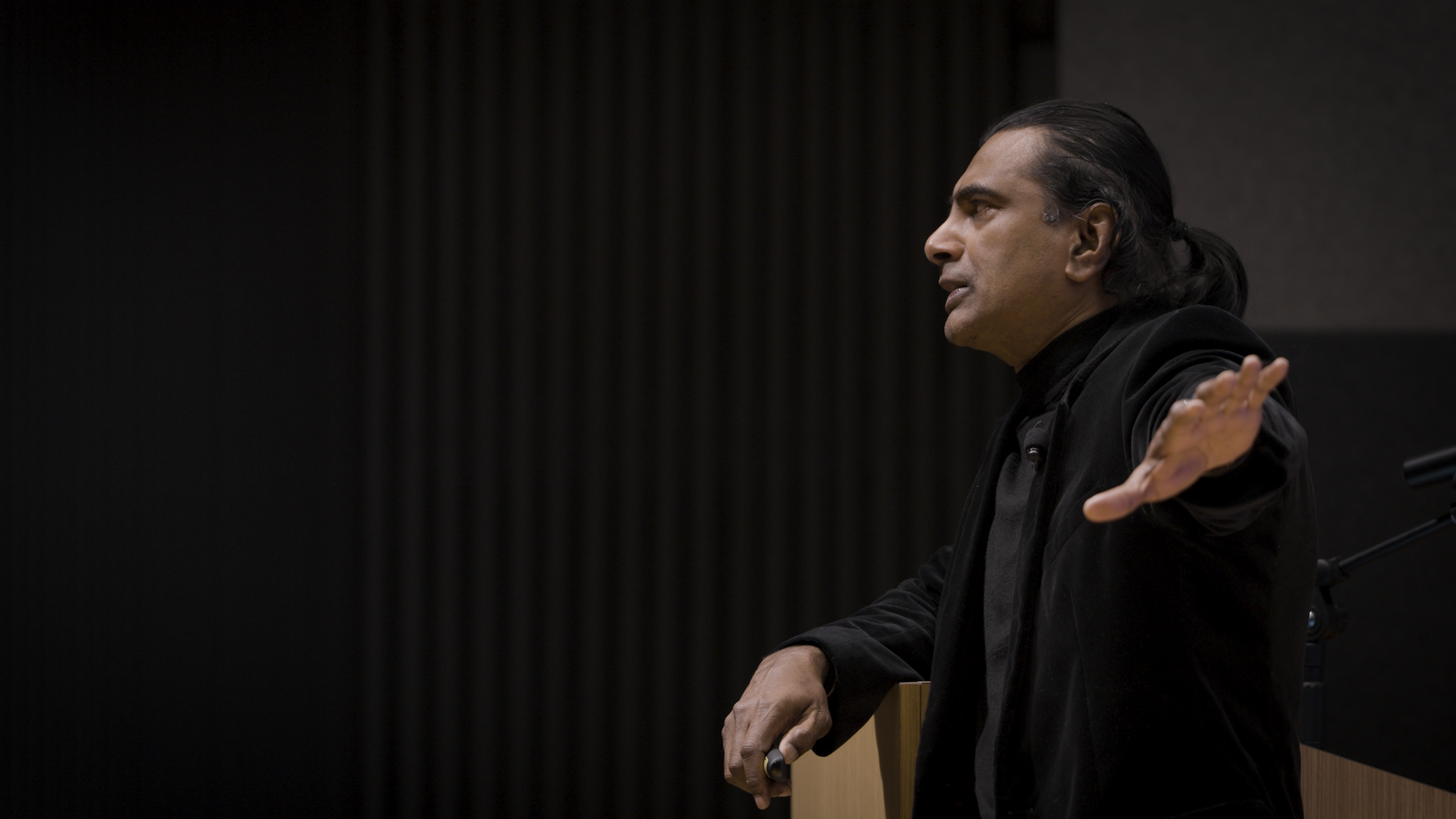
Rubin Pillay, medical futurist and chief innovation officer at the University of Alabama, Birmingham (UAB)
Other factors that will come into play include McFordism, a combination of standardization and assembly lines, to “scale up our services,” and wellcare, to replace sick care. “Not wellness,” he said. “But a science-based approach to longevity and increased health span.” Precision, predictive care will be everywhere, Pillay predicted, as biomedical therapies are “beginning to heal a lot of conditions. Biology is going to become engineering. We are moving from treating disease to rewriting biology.”
“These trends are the tremors before the earthquake,” he said. “The only responsible thing for us to do is to be aware of the earthquake.” The healthcare revolution, he added, will take people from “episodic care to lifelong adaptive journeys.”
In reflecting on the symposium’s message, Gupta said, “Our speakers took us on a voyage of ideas and innovations that can improve children’s physical and mental health. If there’s one common theme we heard today, as we consider what healthcare will look like 25 years from now and how AI and technology will have evolved, it’s that we must continue to ask, ‘What role will humans play in the patient care continuum?’ We can never stop prioritizing the human connection.”

Talk with us
Complex challenges need fresh perspectives and deep expertise. Connect with our team to explore how we can help you create spaces that make a real difference.