Publication
The podcast playbook: Building trust through spoken narratives
Did you know that nearly one in three Gen Zers listen to a podcast every day? And 66% of consumers now prefer podcasts over television.
Did you know that nearly one in three Gen Zers listen to a podcast every day? And 66% of consumers now prefer podcasts over television. What began in 2003 with Christopher Lydon's Radio Open Source has evolved into a thriving industry. Recently, a new format has emerged: the branded podcast.
From Netflix’s "You Can’t Make This Up" to "Inside Trader Joe’s," brands across various markets are embracing podcasts as a direct and authentic way to connect with their audiences. So, where does the Architecture, Engineering, and Construction (AEC) industry fit into this conversation? And what are some purposeful ways they can engage with their audience?
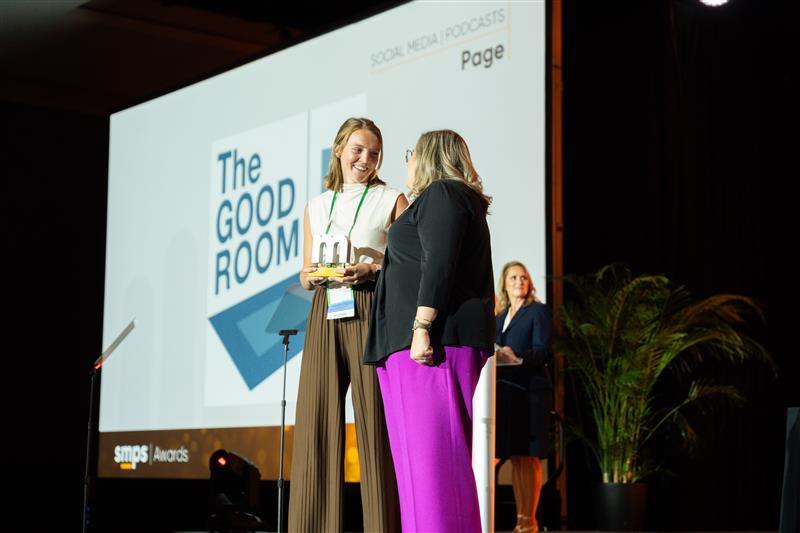
This is the question the Storytelling team asked before launching The Good Room, Page’s award-winning podcast. With over half of U.S. listeners seeking podcasts as an educational source and these audiences known for their high engagement levels, the team saw an opportunity to enhance thought leadership and build trust through a format that people already enjoy.
Why do podcasts resonate?
Whether brand-owned, passion projects, or something in between, this format taps into a fundamental aspect of humanity: the social nature and tradition of oral storytelling.
Long before the written word, people gathered around fires and in open spaces to share knowledge, culture, and wisdom through spoken narratives. This practice shaped societies and built connections. Podcasts capture this same instinct by offering immersive, intimate moments that echo those ancient storytelling circles, now reaching listeners around the world.
At their best, educational and industry-focused podcasts blend the authority of a white paper with the warmth of a conversation. In the AEC industry, where complex ideas need clarity, podcasting is a potent tool to communicate innovative ideas, energize design teams, and showcase thought leadership.
The Good Room story
The Good Room is a monthly podcast that explores a central question: What makes a room good?
Each episode examines a single space, from technical deep-dives like The Good Data Hall to human-centered dialogues in The Good Indigenous Room. This approach transcends traditional design discourse, shifting focus from the building as a whole to the thoughtful details that make individual spaces exceptional.
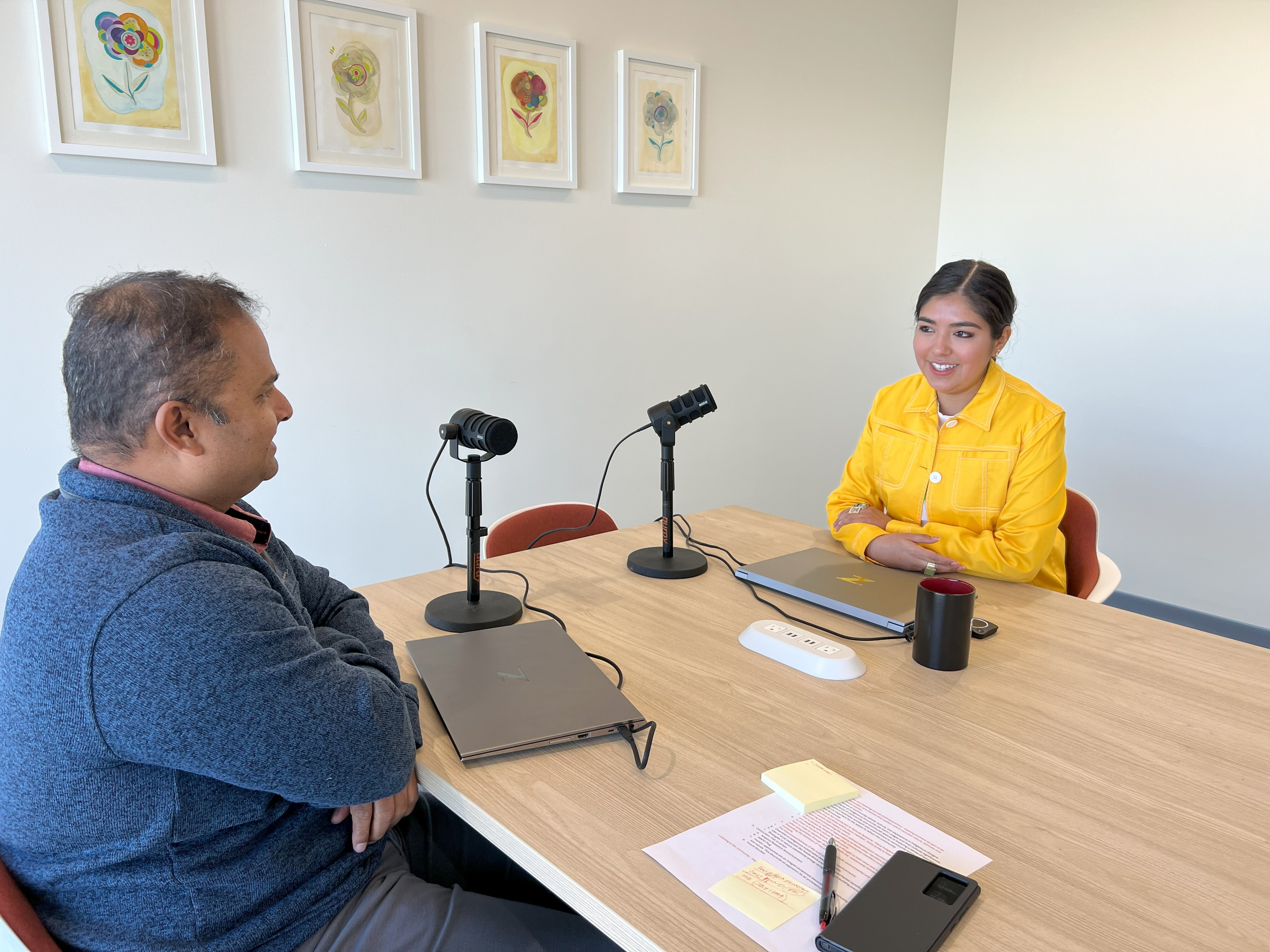
Episodes pair two Page experts across disciplines or markets, creating a space for dynamic conversations around design, aesthetics, and performance. This interdisciplinary exchange reveals how diverse perspectives converge to shape immersive environments that tell stories, evoke emotion, and deliver impact.
Originally conceived as an internal tool to connect colleagues after a large-scale acquisition, The Good Room has grown into a compelling external platform that showcases our subject matter expertise and brings to life Page’s high-performance approach to shaping space and place.
Best practices to plan, launch, and sustain a podcast
A podcast can be one of the most impactful ways to build trust, showcase expertise, and elevate a brand. Like any strategic initiative, success depends on clarity, consistency, and craft. Here are five essential steps to guide the process from initial idea to long-term impact:
1. Plan with purpose: Start by defining the format, such as guest interviews or solo episodes. Should the conversation be natural or scripted? How often will episodes get released, and how long should each one be?
The answers will shape everything from budget and labor costs to editing timelines and storytelling cadence. A well-planned foundation sets the tone for everything that follows.
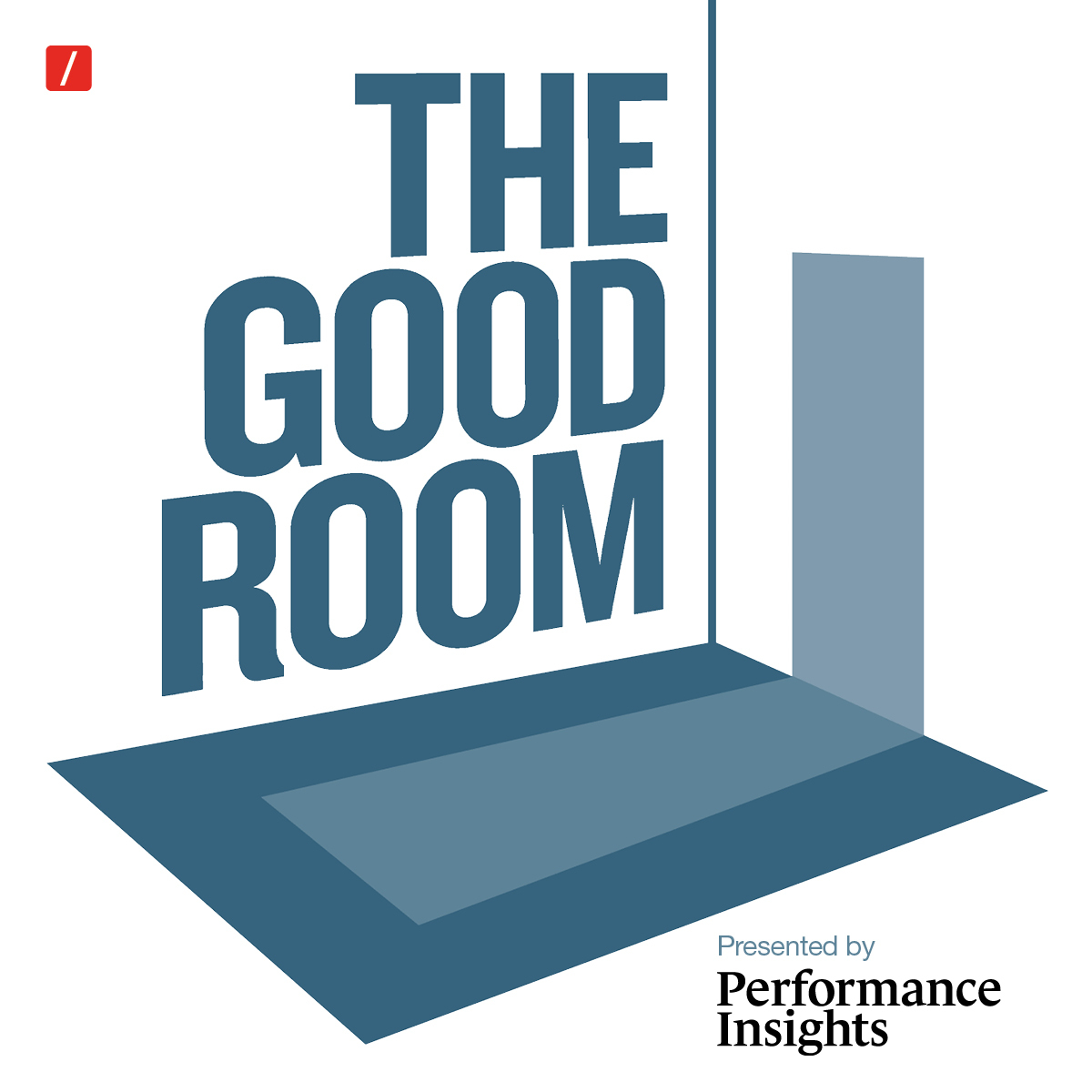
2. Brand with subtlety: The golden rule? Avoid overbranding. Today’s listeners are savvy—they want content that educates or entertains, not a thinly veiled advertisement.
For the podcast’s cover art, maintain consistency by using elements like typeface, color, and visual cues from the firm's brand toolkit. However, select a unique name and visual identity that reflects the podcast’s content and character.
3. Record and edit for clarity and technical richness: If the format is conversational with guest speakers, the goal during recording is to create a space where individuals feel comfortable sharing insights and expanding on points. The more dialogue that the host can encourage, the richer the content will be for editing.
Post-production is where the magic happens. Great editing curates the story. Restructure conversations as needed to follow a logical, engaging arc. Listeners prefer linear thinking, so if a topic comes up at minute five and again at minute 25, consider stitching those pieces together for a smoother flow.
At The Good Room, episodes frequently cover technical and nuanced topics, necessitating careful editorial judgment. So, the team follows a deliberate arc: establishing foundational context, spotlighting design decisions, then exploring emerging trends that will impact the room’s design.
Rich, necessary content stays. But overly technical tangents or sections that risk confusing listeners are trimmed, striking a balance between depth and accessibility.
4. Launch with intention: A consistent release schedule helps build listener trust. Start with a sustainable cadence, like monthly episodes, and scale up the frequency as resources allow.
When launching each episode, expand its reach by creating thoughtful marketing assets, including audiograms, pull-quote graphics, LinkedIn carousels, or even companion blog posts. Think of the podcast as a platform, not a standalone channel.
5. Sustain through consistency: Stick to the editorial plan. Avoid pivoting to chase trends or serve short-term marketing requests that could dilute the original angle. Consistency in message, tone, and schedule builds credibility over time. Allow the podcast to evolve naturally, but always stay aligned with its core purpose.
Treat the podcast like a design process—iterative and user-informed. Track which topics resonate, pay attention to listener feedback, and keep refining your content strategy based on real engagement.

Talk with us
Complex challenges need fresh perspectives and deep expertise. Connect with our team to explore how we can help you create spaces that make a real difference.