Publication
Why I Do What I Do: Karen Cruickshanks
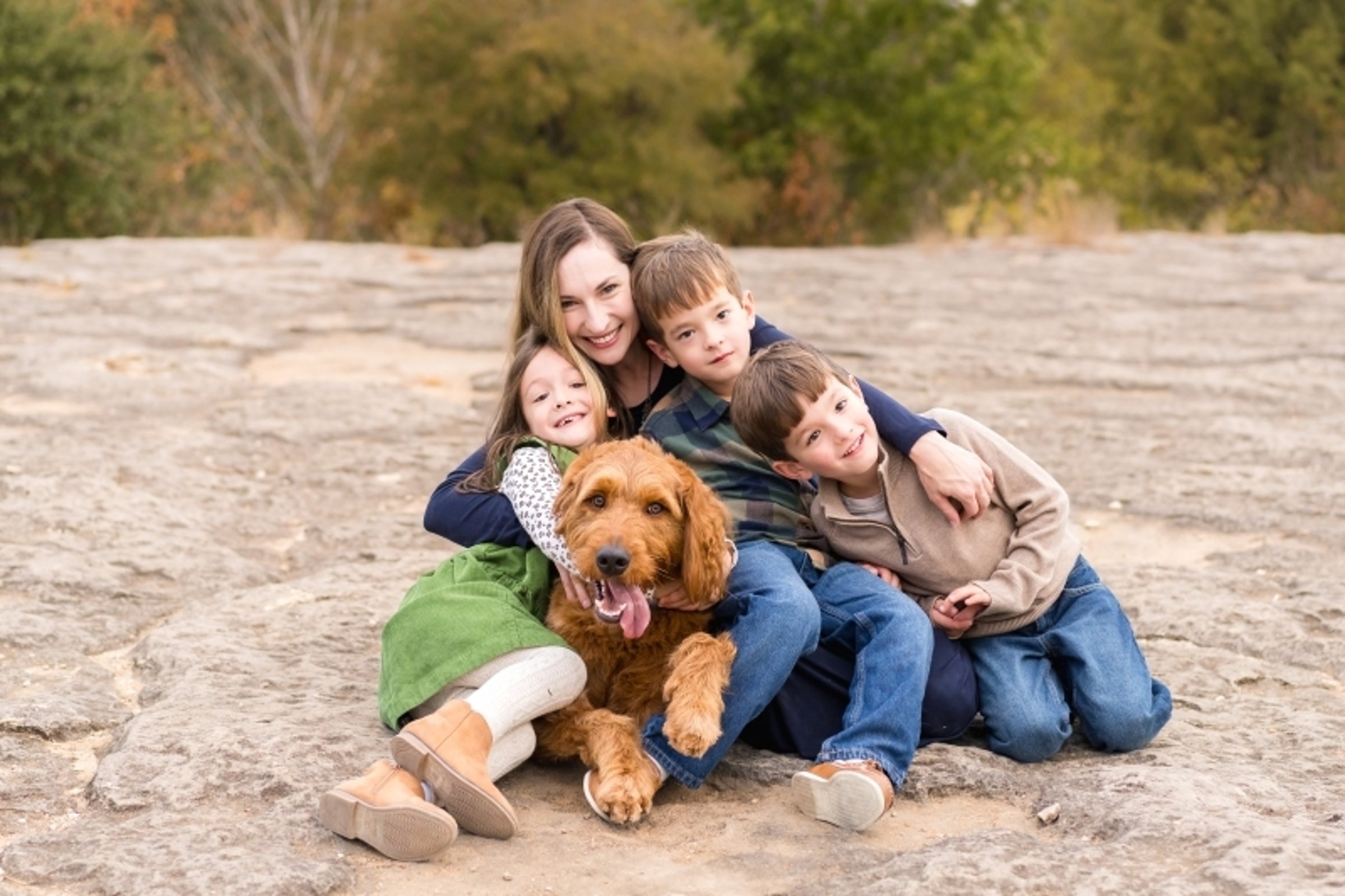
Photo by Alissa Cordoba Photography
Driving Empathy and Innovation through my Family’s Medical Journey
Six years ago, I became a mother through a set of events I could never have imagined. I was admitted to the hospital in pre-term labor at 30 weeks. Three precarious weeks later my triplets – Charlie, Lucy and James - entered the world into an operating room of more than 20 people.
I’m the Revenue Operations Director at Page, an architecture and engineering firm with a strong healthcare facility design sector, so I was already knowledgeable about hospitals, healthcare systems, and the needs of patients and providers.
But nothing—not even years immersed in strategy, design proposals, and financial planning—could have prepared me for the profound shift that would follow the birth of my premature babies and their stay in the neonatal intensive care unit (NICU). Because when you’re living in healthcare spaces as a parent, everything changes.
In addition to weighing just three to four pounds at birth, each baby had a health issue. Lucy had underdeveloped lungs and required respiratory support. Charlie's heart wasn’t beating in the rhythm it should. And James, the smallest, had gastrointestinal complications. After 12 long hours fighting my own health complications, I was finally given the green light to go to the NICU to meet my children for the first time. Over the following days, I quickly learned how to read monitor alarms – which ones sent medical teams running and which were just noise.
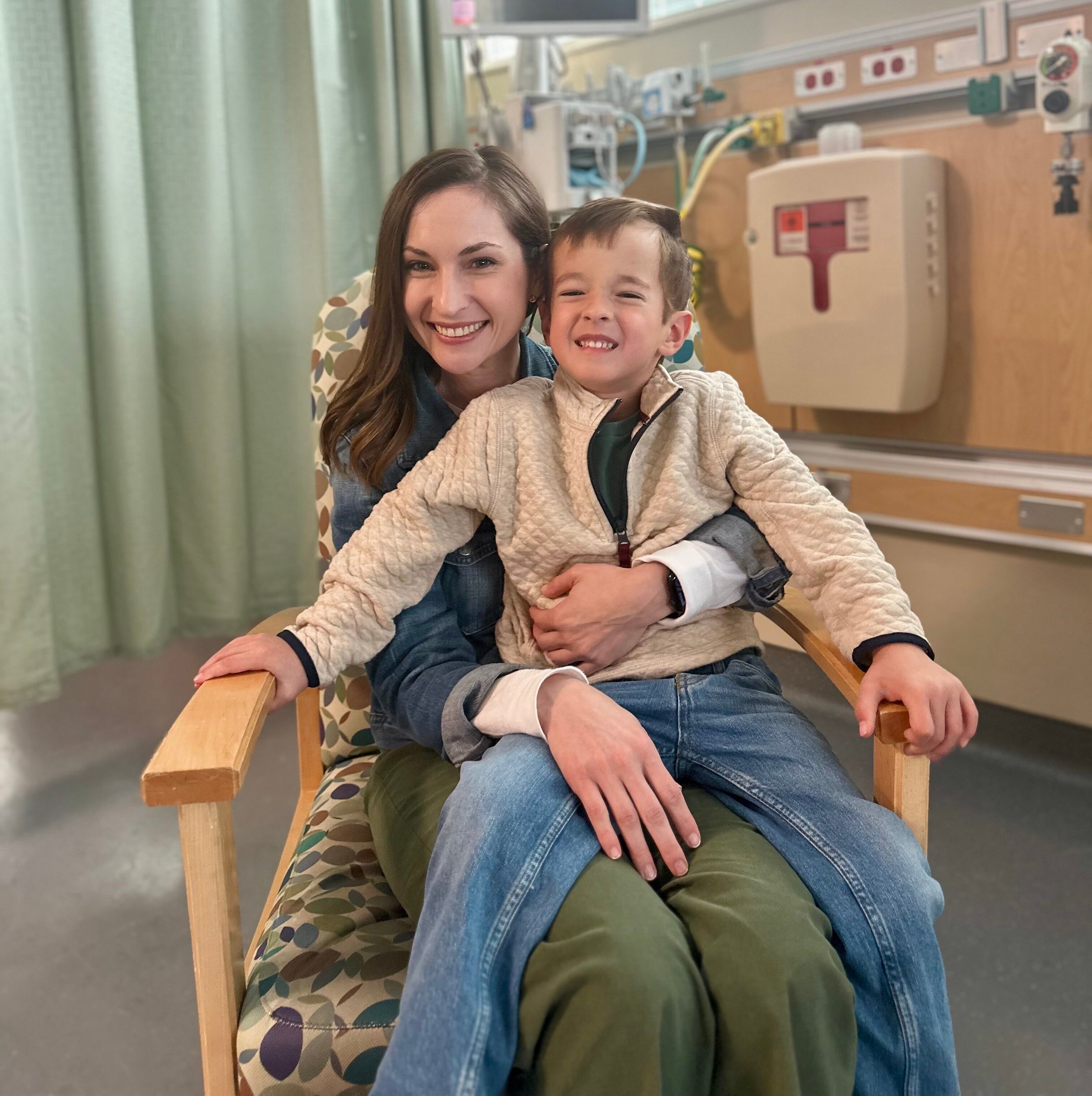
Photo by Ronald McDonald House Charities of Central Texas
Our First Family Christmas
After almost a month as a patient myself, I was discharged to go home, but the babies were far from ready. It was Christmas Day.
The NICU nurses connected me with Ronald McDonald House Charities of Central Texas (RMHC CTX), which offered me a family room just outside the doors of the NICU. So instead of returning home without them, we were together for our first Christmas in a space filled with peace, privacy, and compassion. Being able to rest or curl up with a cup of coffee just steps away from the NICU was a priceless gift to our family. The nurses even made ornaments stamped with the babies’ footprints, which we still hang on our tree every year.
Finally in the new year, the babies stabilized and we were able to return home together. By the time the triplets turned 2, they were walking, talking, thriving and hitting all milestones. We settled into a rhythm, and my work had a renewed sense of purpose. I made sure to share the insights I had gleaned with my healthcare-focused colleagues.
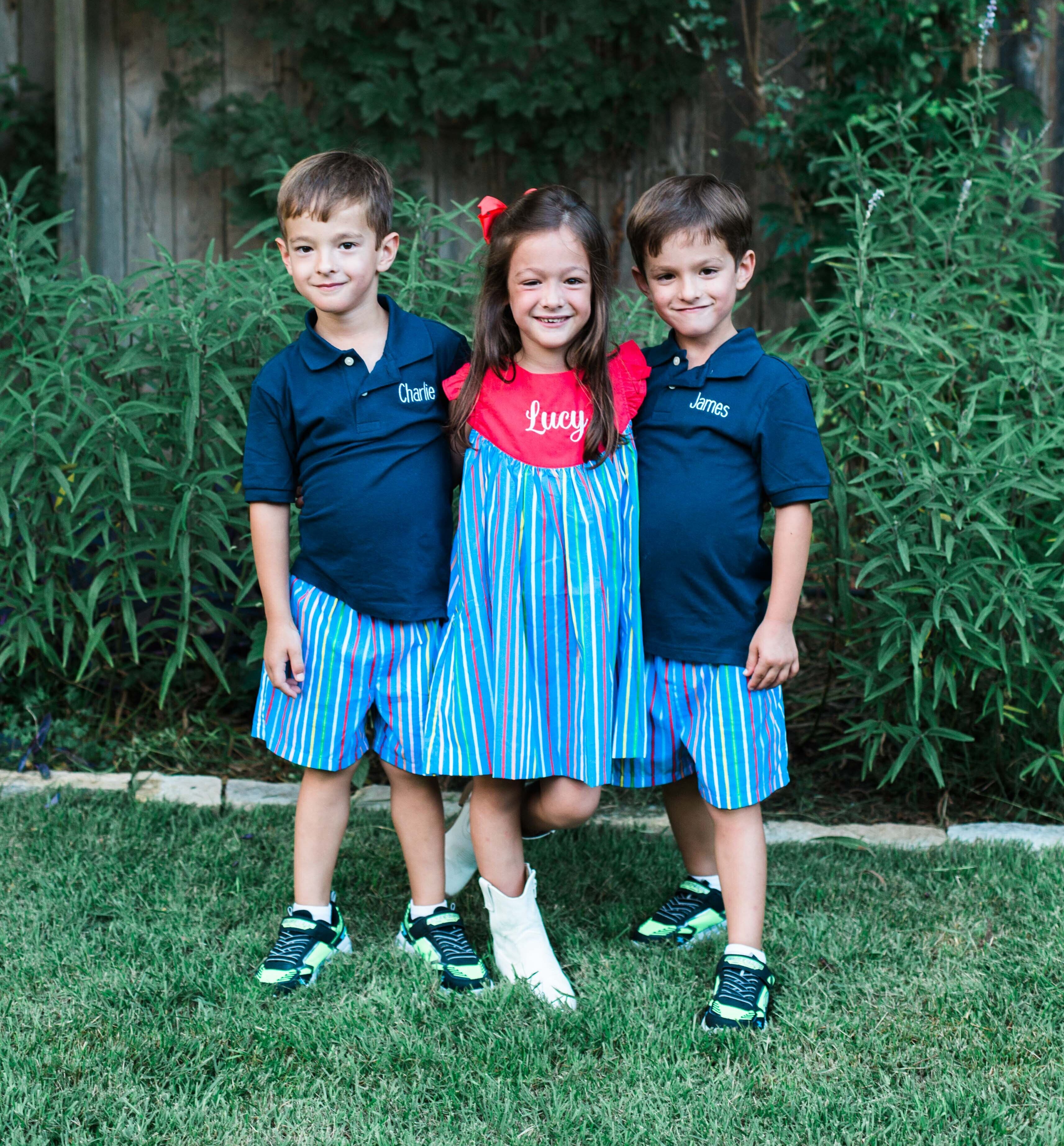
Life at home went on in a wild and wonderful way. The kids started preschool, humored me by wearing matching outfits, and I signed up an entire 3x3 soccer team.
Then, in July 2022, Charlie had a seizure. It came without warning on a typical Monday morning. I was rinsing off breakfast dishes and was about to head to work. One moment he was eating breakfast; the next he had lost control over the left half of his body and his ability to speak. A 911 call was followed by time in emergency rooms, MRIs, EEGs, and seeing specialists. Charlie received the diagnosis of a rare form of epilepsy, Epileptic Encephalopathy with Spike-Wave Activation in Sleep (EE-SWAS).
Over the next year Charlie was hospitalized six times, spending over 45 days total in inpatient care, as we desperately tried to find an effective treatment for his condition.
During one particularly harrowing 19-day hospital stay in October 2023, Charlie had a severe reaction to a treatment. In those first few critical days, I slept for a few hours here or there in hospital chairs. Between making decisions for Charlie’s care, managing childcare for my other children from afar, and trying to simply stay upright, I hit a metaphorical wall.
That’s when I called Ronald McDonald House Charities, who again graciously offered me a family room to sleep in. It was déjà vu – the same comforting place that saw us through the NICU. It’s hard to explain how something as simple as a shower and a night of sleep can restore your ability to be present for your child. This renewed my desire to be a voice in healthcare design and push questions like “How do we design with families in mind?”
Designing with Empathy
Being back in the hospital with Charlie didn’t just reignite my gratitude—it redefined my mission.
As a family who has spent months in hospitals across multiple cities, I can definitively say the physical space has a significant impact on well-being.
I think about how exhausted a parent might feel navigating a labyrinthine hospital corridor. I think about whether there's a quiet room where a parent can call in to a work meeting. I think about how to provide privacy, warmth, and human touches.
One of the highlights of my role as revenue operations director is the opportunity to support strategy for our healthcare sector, which includes a nationwide children’s health practice.
I continued championing family-first spaces with more urgency: onsite respite rooms, family lounges near pediatric units, spaces for service dogs, remote workspaces, and flexible patient rooms designed to accommodate long stays and complex care needs.
I bring my experience as primary caregiver to a child experiencing a rare form of epilepsy to be a voice for the community. I’m now a board member for the Epilepsy Foundation of Central and South Texas. I’m passionate about making treatments accessible, spreading awareness and building frameworks for support. I’ve championed multiple fundraising teams for the Walk to End Epilepsy and was on the 2025 spring gala committee.
Our family volunteers regularly with Ronald McDonald House Charities. For the past two years, I’ve spearheaded the Page Austin Office’s monthly volunteering effort, which has provided more than 600 meals to RMHC families. One of the highlights of my career has been the opportunity to combine my advocacy for families in our community with my professional skills through contributing to Page’s design of the RMHC expansion, which will significantly increase its capacity to support families in Austin experiencing a pediatric medical crisis.
While there are still unknowns ahead, I have community, clarity, and a new lens through which I view healthcare. Many of us have experienced extended stays in hospitals, receiving care for ourselves or being there with loved ones. In the end, it’s not just about creating beautiful, cutting-edge healthcare spaces— It’s about designing with empathy for the people inside of them.

Talk with us
Complex challenges need fresh perspectives and deep expertise. Connect with our team to explore how we can help you create spaces that make a real difference.