How can design promote both the physical and mental health of the LGBTQIA+ community?

In this episode, we explore the intersection of inclusivity, healthcare, and design with Hilary Bales, one of the visionaries behind Page's PRISM Wellness and Community Center prototype facility and white paper. Hilary shares research-driven strategies and design principles that aim to break barriers, foster safety, and celebrate individuality within healthcare spaces. Join us as we dive into what it takes to create environments that affirm and embrace everyone.
/
Lead Healthcare Planner Hilary Bales joins host Tully Mahoney in The Good Room.
Hi, I'm Tully Mahoney, and I'm excited to welcome you back to The Good Room. Today we're talking about the Good Affirming Room, which will dive into inclusive and affirming design specifically for the LGBTQIA+ community. Historically, there have been voices that have been underrepresented, which includes the LGBTQIA+ community. So a Page team selected this topic for exploration and developed a white paper that included insight into this history of exclusion, key findings about this community's needs, and ultimately design considerations to address these issues.
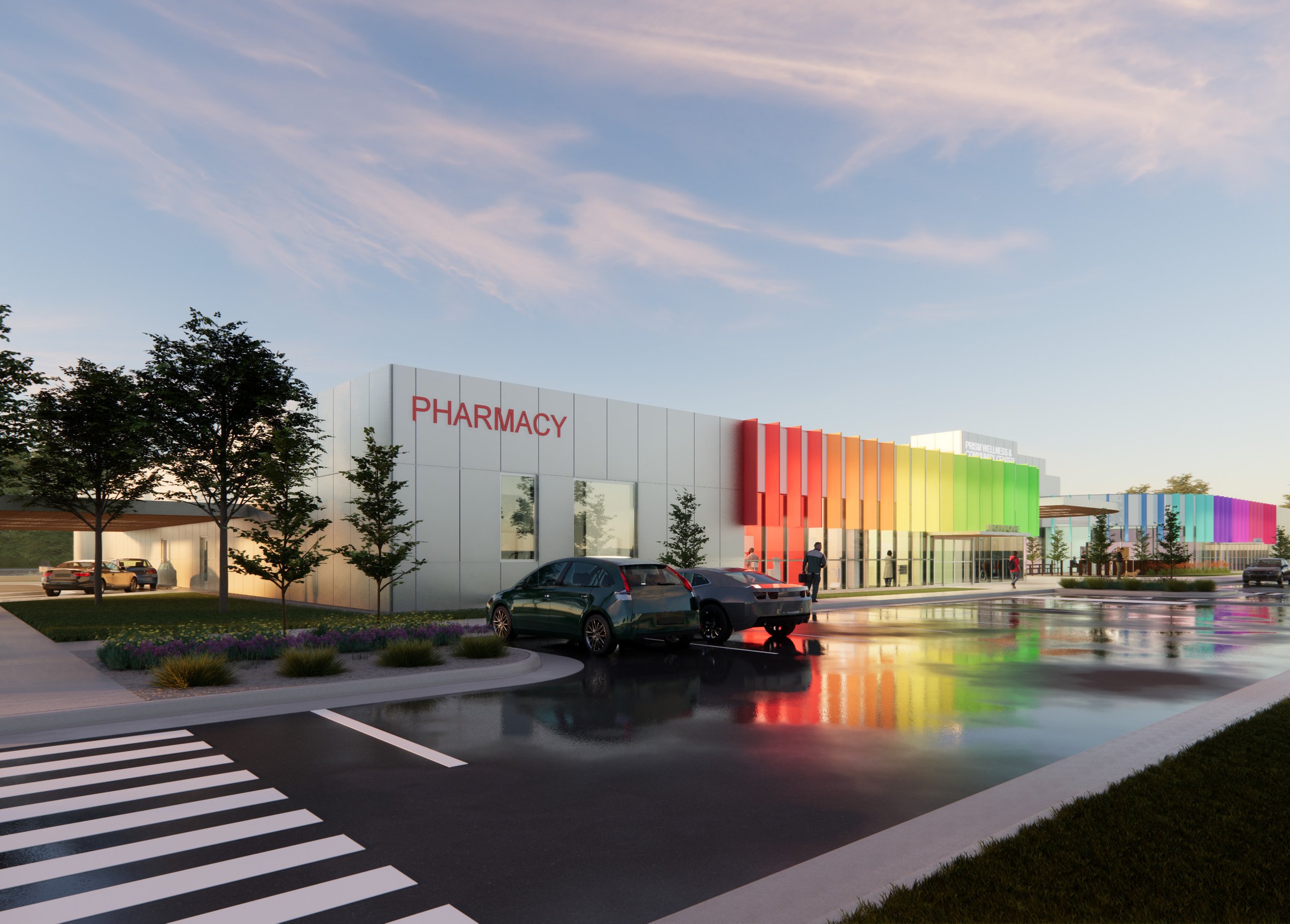
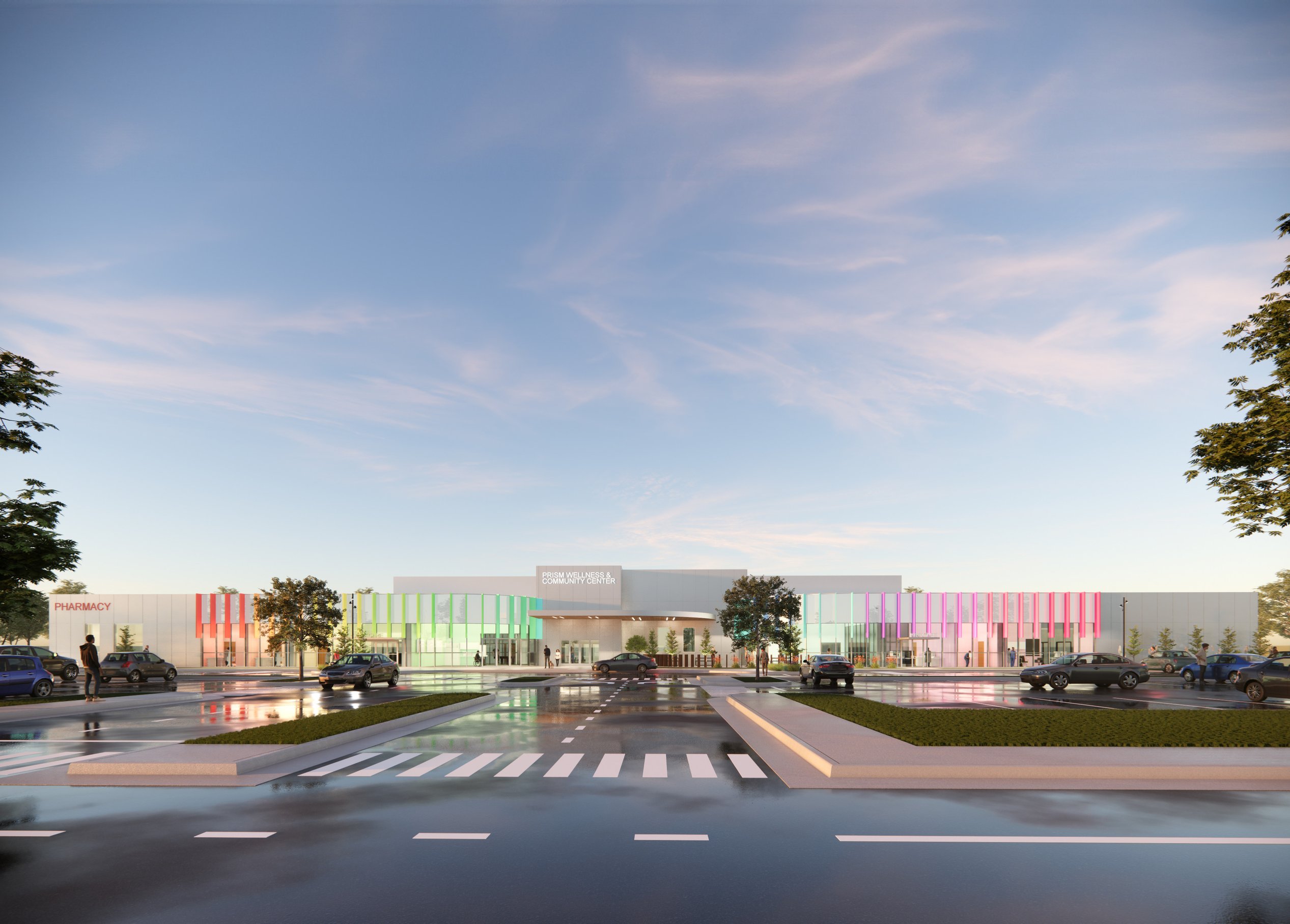
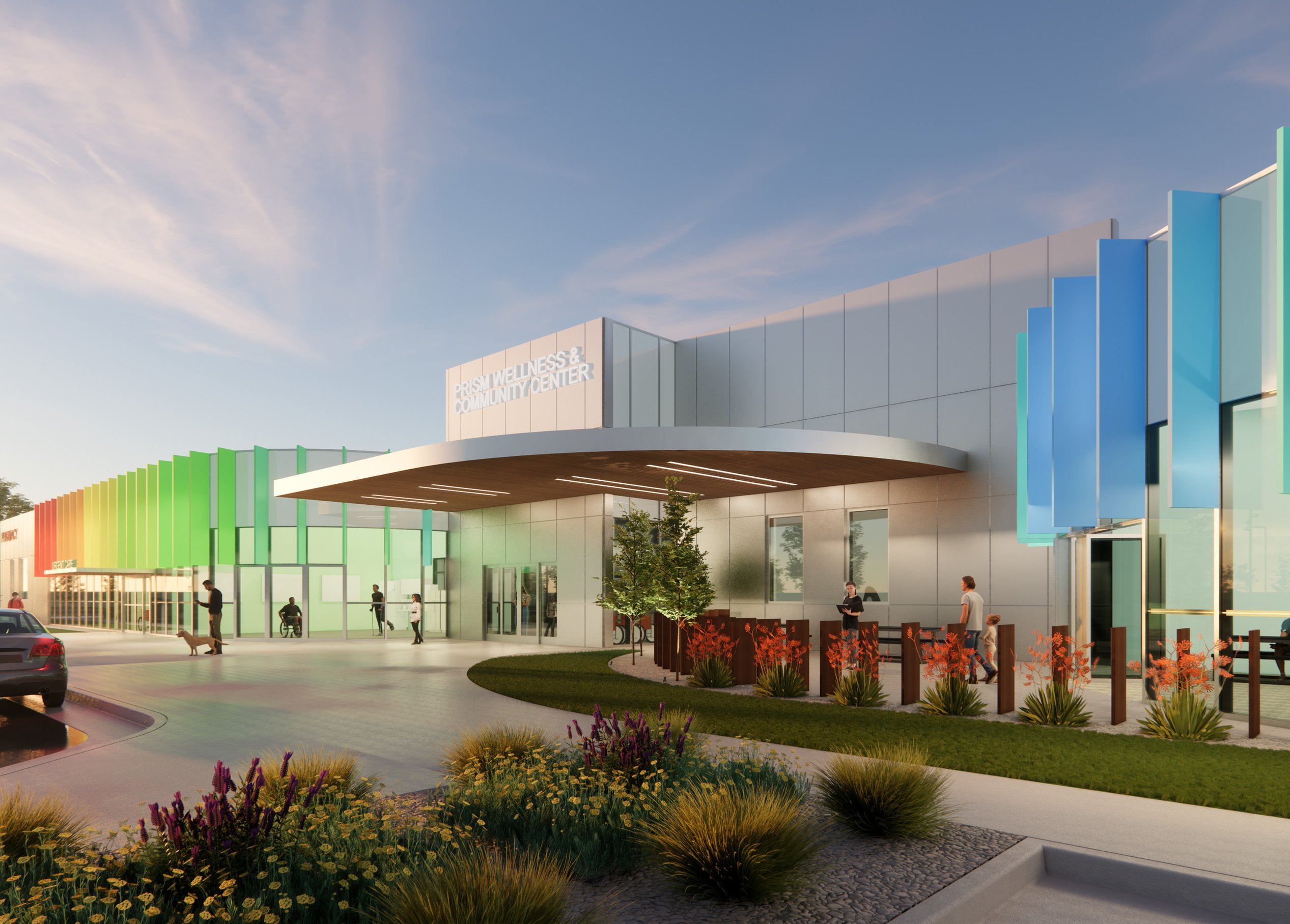
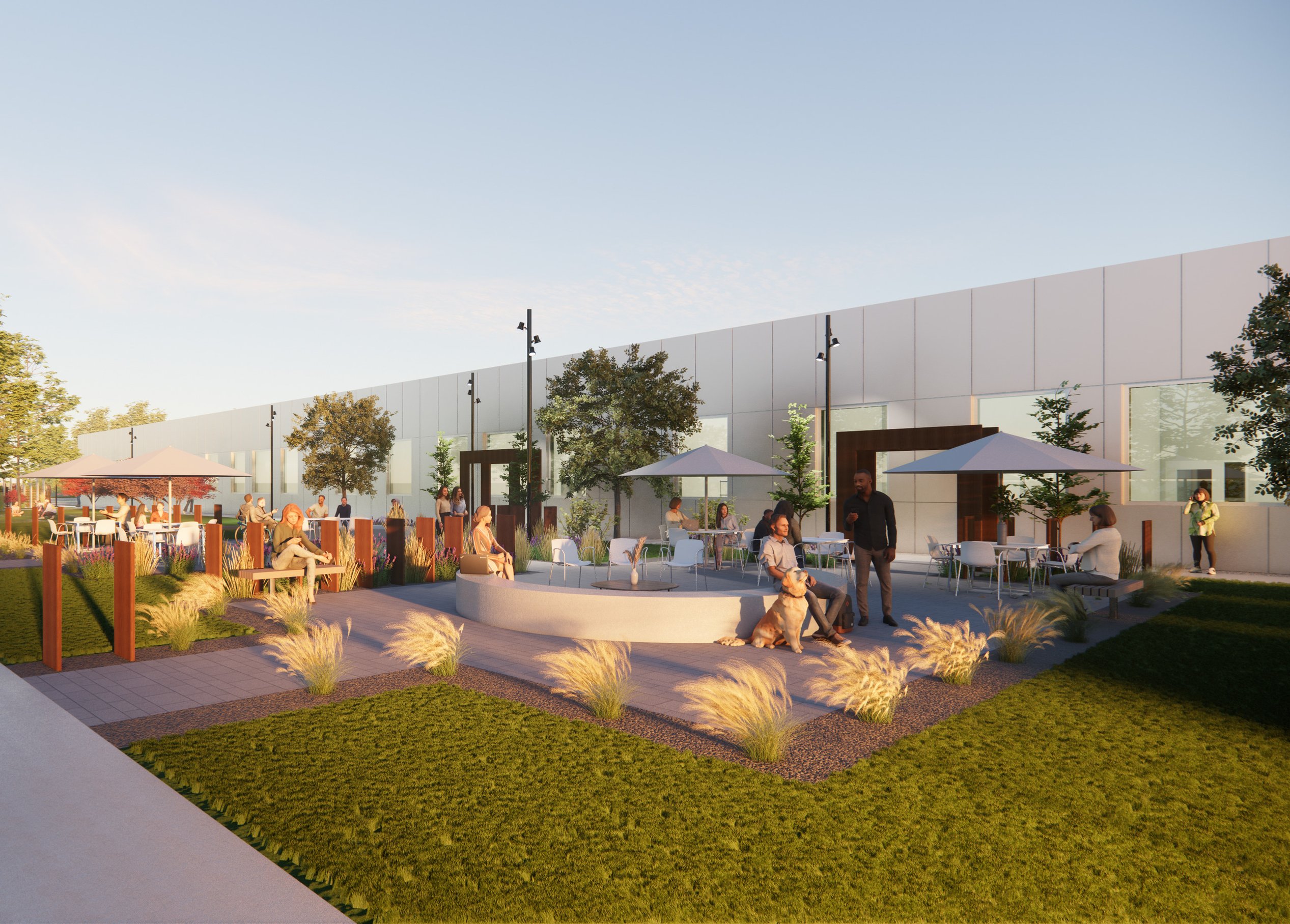
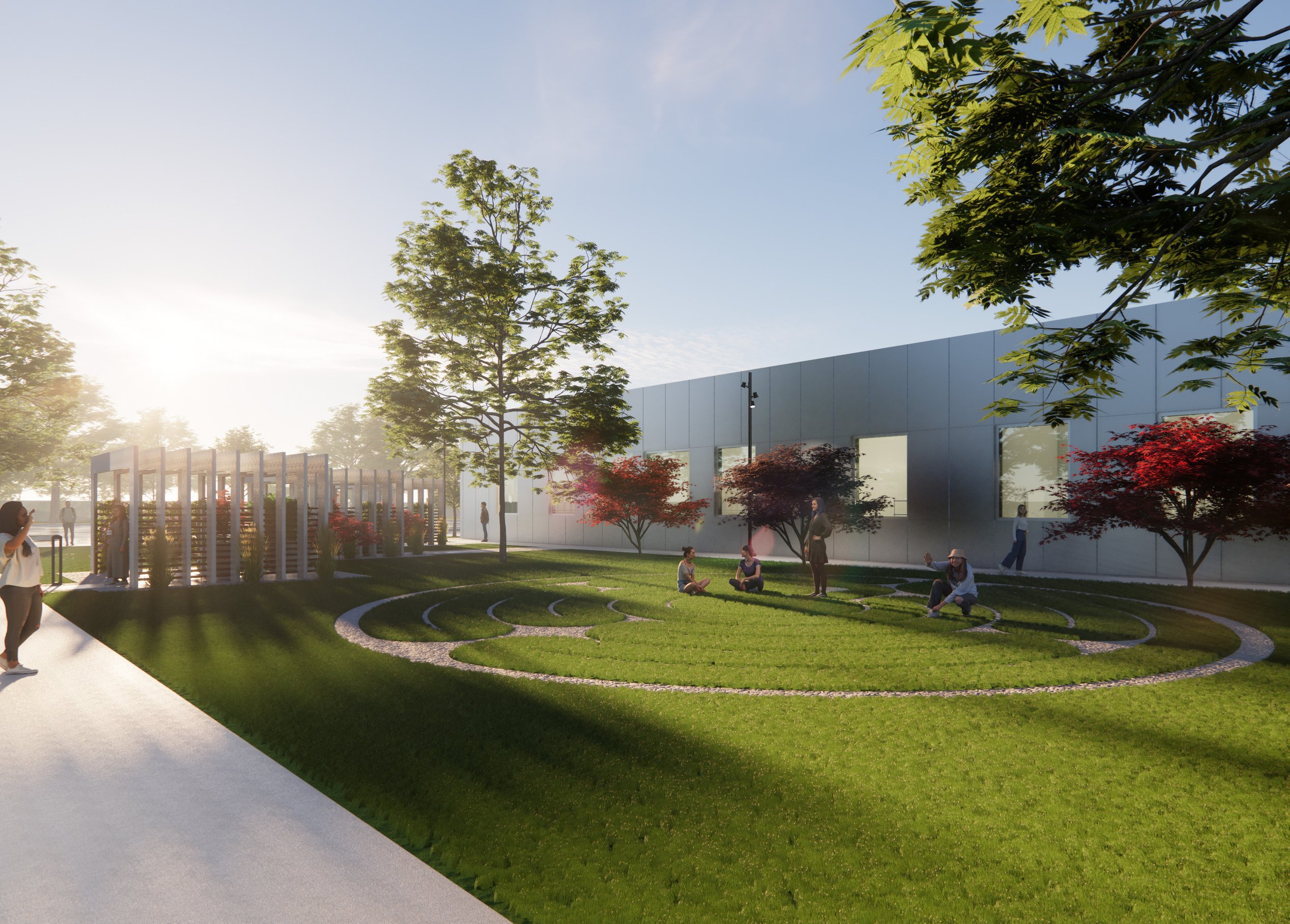
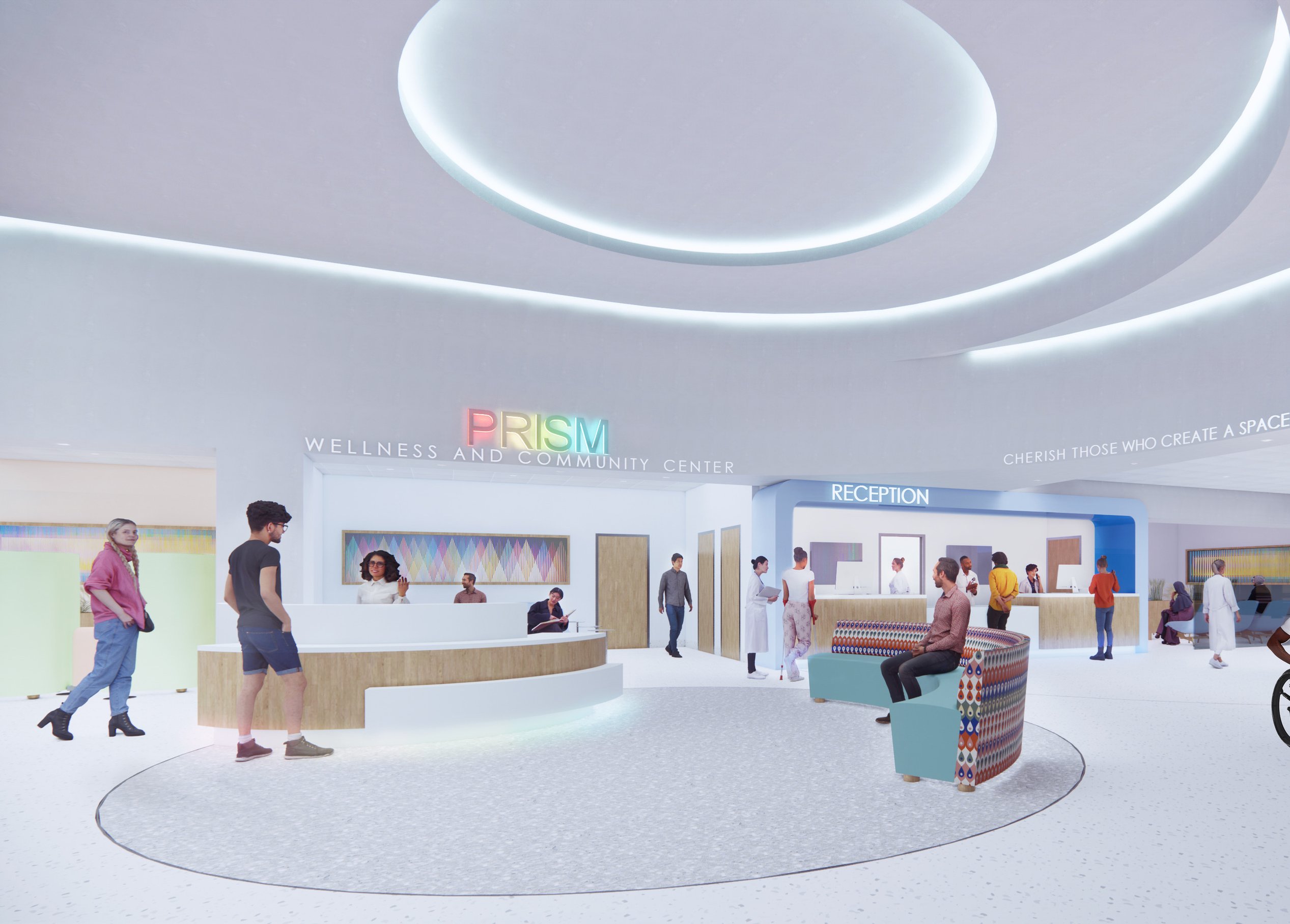
Generated out of this exploration is the Prism Wellness and Community Center prototype design, which is not affiliated with any healthcare system and currently has no plans to be built, but instead it was used as a further exploration on how we can design for affirmation and inclusivity, and it can be used in part or in whole by healthcare facilities in the future. So, without much more further ado, I'm excited to welcome Hilary Bales, who is one of the authors and designers of this prototype facility.
So, Hilary, could you tell us a bit about the specific design considerations and themes that you explored through this process?
We feel like it's really, really important that everybody have access to spaces that are safe, that are inclusive, and that are supportive. And we really think that health and wellness is not just about physical health, it's also about your mental well-being. It's about your spiritual well-being. It's about your social support system and how you interact with others.
And so as we were really discussing the need and talking about different spaces, different elements, there were some themes emerging. One of those themes is affirmation and celebration of culture. It's really more than just saying, yeah, come on in. It's about affirming, embracing, and celebrating the individual and the journey that the LGBTQIA+ community has undergone.
Another theme is privacy, safety, and accessibility, so these themes can be applied to almost any facility or any facility type, but for this community specifically, privacy, safety and just access, ability to access these services are huge. Stigma in this community is huge. So unfortunately there has been a history of exclusion. There's a lot of politics with insurance legislation that create barriers. And there's a lot of misinformation out there. And so how can we break down that stigma? How can we educate? How can we fight and combat misinformation?
And then that goes along with the connection to the community. So how does the LGBTQIA+ community live, interact and exist within the larger community itself? So those really were the themes that started to emerge. And so that's how we framed a lot of our design decisions and discussions.
So you spoke about each of those four main themes, and I'd like to dive into each one of those. So first I'm curious: how does the design both affirm and celebrate LGBTQIA+ culture?
One thing that we talked about is just basic elements like use of inclusive language and terminology. So for signage, we want to make sure that we're incorporating the right terms, things that are not going to exclude certain members. We've done other things like use artwork or fabrics that are generated and designed by celebrated LGBTQIA+ artists with that history. While we're using that as a moment to educate and really highlight the social movements and achievements that have occurred within this community, and to highlight some of those struggles so that people understand where they're coming from and some of the elements they've had to endure.
And when we talk about the history behind the culture that exists within the LGBTQIA+ community, the reason, for example, that we call it the Savoy Salon is basically harkening to that time in the Harlem Renaissance.
I'm so glad that you mentioned that, Hilary. I really appreciated, as I was reading, the connection that you made to history throughout the document. So, like you mentioned, the Savoy Salon being named after the Savoy Ballroom, which was known for the LGBTQIA+ community gatherings during the Harlem Renaissance, and then also the naming of the Kiki Café. So thinking about the term Kiki, which means a social gathering, usually for sharing stories, and that term is also historically connected to the LGBTQIA+ communities.
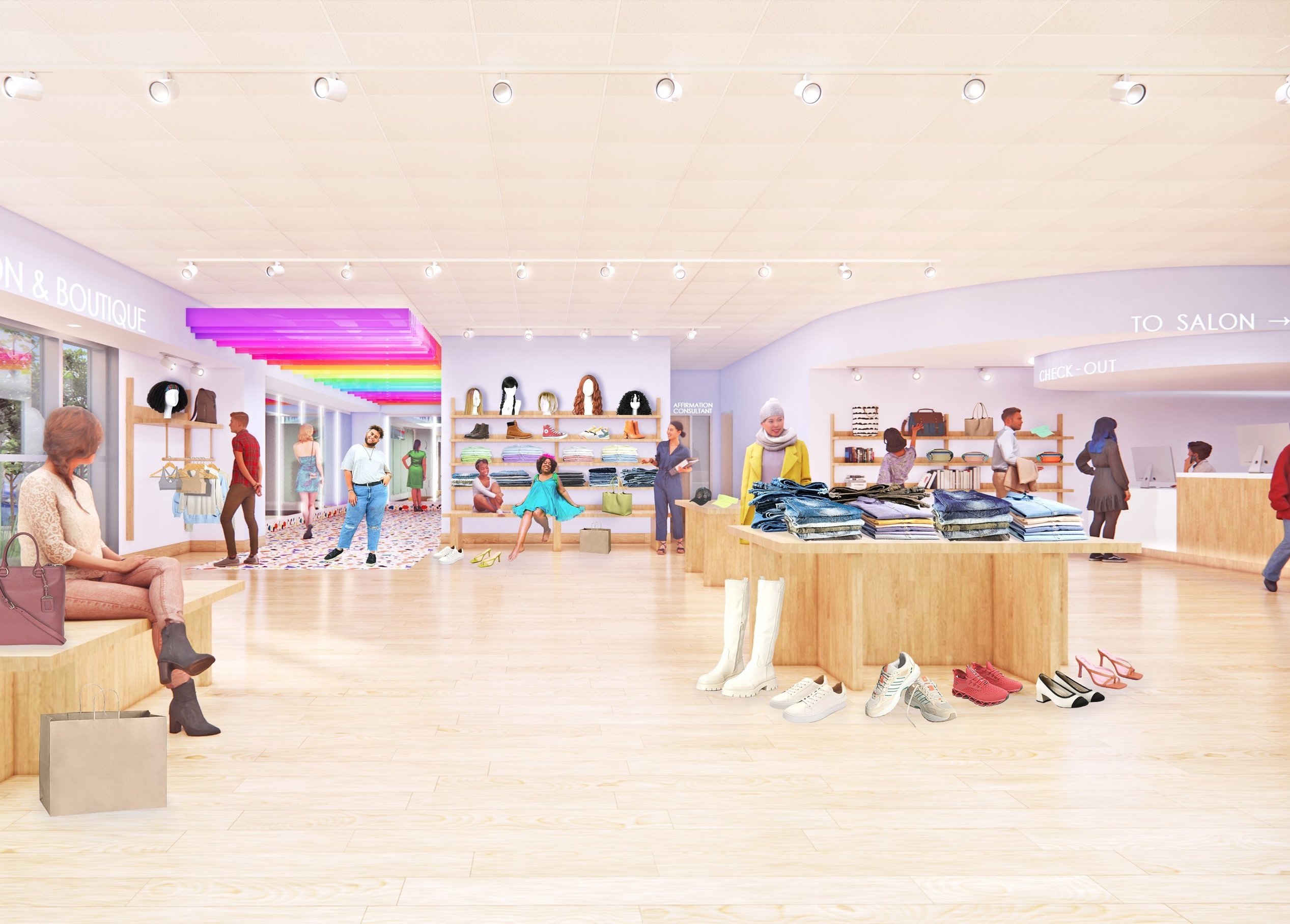
I do want to mention, too, so a little bit further explanation into the Savoy Salon and Boutique. So the services within the Savoy Salon and Boutique, you can get your hair done, you can get your nails done. So it's really about addressing that exterior expression of your personhood, and in addition to that, in the retail component, we have specialty wigs, we have specialty bindings, things like that, that people who might want to try different presentations, different gender presentations, or just different expressions can have a place for those resources.
And we have what we're calling an affirmation consultant that would be available to actually meet with clientele and help them navigate some of these elements to really help embrace their unique identity. And within that suite, we have the option to have a private experience. So all of our dressing rooms have full walls and doors. They have mirrors inside them. So if you're not comfortable, you're not confident coming out in that space, then you have a private experience. But in the event that you are and you found your voice and your expression and you want to strut that runway, we have that as a celebration as well. So really looking at different aspects of what it takes to affirm a person.
Absolutely. I find that when we talk about inclusive design, the idea of choice just comes up time and time again, because there is really no one size fits all approach. So it's about making that space adaptable and usable by everybody who might come into it.
And so now moving on to our next topic, can you please tell me how the design also prioritizes privacy, safety and accessibility?
Sure. So trust is a huge issue in healthcare. One of the things that you would read in the paper, and some of the research that we've done, is we've actually talked to several members of this community. And one particular interview we had with a trans woman, one of her experiences was to go into an urgent care or an emergency room seeking care. And her provider, who came in, basically told her that he had never treated anyone like her before and then refused to look at her in the eye, sent her out for her testing, and only stuck his head back in, wouldn't even speak to her, or examined her physically. He was physically repulsed.
So I would pray and hope that this is not the norm, but part of the reason for creating these services and creating this prototype and really talking through this is those experiences. So if you've had experiences like that with care providers who may not be the most empathetic or they don't fully understand, that really creates trust issues. And so privacy is huge. Not everyone feels safe living openly with their sexuality, with their identity. So it is really, really important that the spaces that we provide allow people to feel safe and open to share their health and to receive empathetic care with sensitivity and dignity.
So acoustic privacy is met and exceeded as much as possible. We looked at visual privacy in terms of restrooms, for example. We've created gender neutral toilets or unisex toilets. We've taken all urinals out of the facility because they can be challenging for people who have transitioned to utilize. They also exclude certain people from using them.
Going off the idea of this accessibility, can you tell me about the special care unit that you have included here, and how that may contribute to access for health care in this community?
So we really looked at services that would support gender affirming care. We looked at services that would support sexual health and research and things like that, and some of those unique factors that may affect this community. And the reason that we chose to include all of this is, again, knowing that our health care providers are not always exposed or getting as much education on these specific types of care as perhaps they need to, then it would be good to have them in a location where they are getting this exposure, so that the people that are providing the care can be more sensitive and empathetic whenever they're approaching patients and clientele.
And I think it's important to realize the validation for co-location, right? That it is a convenience thing. It does help providers give better team-based care. It does provide more services for the patient. And in this particular case, it creates a place that staff are well-versed in the care and exposure to people in this community. Yes, you can pull apart these services. We want to make sure that these services are out there and they're accessible for people. And it doesn't mean that you can't have a primary care center that has an LGBTQIA+ service in it over here and another element over here, it's just we want to talk about these challenges and these things to consider that are unique. That's a uniqueness of this group.
And the white paper, you touched on the importance of education and outreach in reducing stigma within and outside the LGBTQIA+ community. Can you please tell me more about how you're creating these connections and educational opportunities through the design?
And the white paper, you touched on the importance of education and outreach in reducing stigma within and outside the LGBTQIA+ community. Can you please tell me more about how you're creating these connections and educational opportunities through the design?
I appreciate the community connection as well, and bringing in people who might not have gone there for the traditional services of what's being offered, so that they're still exposed to all of the great things that this facility is doing.
One thing that we could expand on a little bit is when we talk about just the diversity of people accessing this building. So designing for neurodiversity, for different levels of physical accessibility, not just minimum requirements, but going above and beyond that—wider hallways, the automatic doors, using not just color and not just visual for wayfinding, and then looking at different aspects that support the diverse needs of people.
So I briefly mentioned veterans, but there's over a million veterans that fall within this community, 6.1% of our active military. Looking at the different needs that they might need as well, which would be things like protecting their back when they're seated, having good visibility of their exits so that they may feel safe and supported, having good visibility of staff members, having the ability to choose their different environment.
Do they want a more private and quiet environment, or do they want an environment that's a little bit more social? And really good trauma-informed design practices throughout this as well, because there are a lot of people within this subset that have experienced trauma. And I think that's really important to acknowledge so that we can create better, more inclusive design and help reduce that stigma and help heal some of that trauma.
I love that, and I know when I saw this design, I just immediately felt really proud that this work was being done at Page and that you were pushing the limits of inclusive design. As a reminder for everyone who's listening, if you are interested in a much more in-depth look at the history of exclusion, this community's needs and key findings, the White Paper is available in the description below and on Page’s website.
I love that, and I know when I saw this design, I just immediately felt really proud that this work was being done at Page and that you were pushing the limits of inclusive design. As a reminder for everyone who's listening, if you are interested in a much more in-depth look at the history of exclusion, this community's needs and key findings, the White Paper is available in the description below and on Page’s website.
Hosts

With expertise in crafting compelling narratives that engage diverse audiences, Tully blends creative flair with a keen eye for detail to develop impactful content across platforms. Her work includes award-winning podcast production, content development, and copyediting large-scale documents, all while enhancing brand voices and driving audience engagement. Tully also supports data visualization efforts by transforming complex information into clear, actionable insights through engaging storytelling.

Talk with us
Complex challenges need fresh perspectives and deep expertise. Connect with our team to explore how we can help you create spaces that make a real difference.