Sixth & Blanco
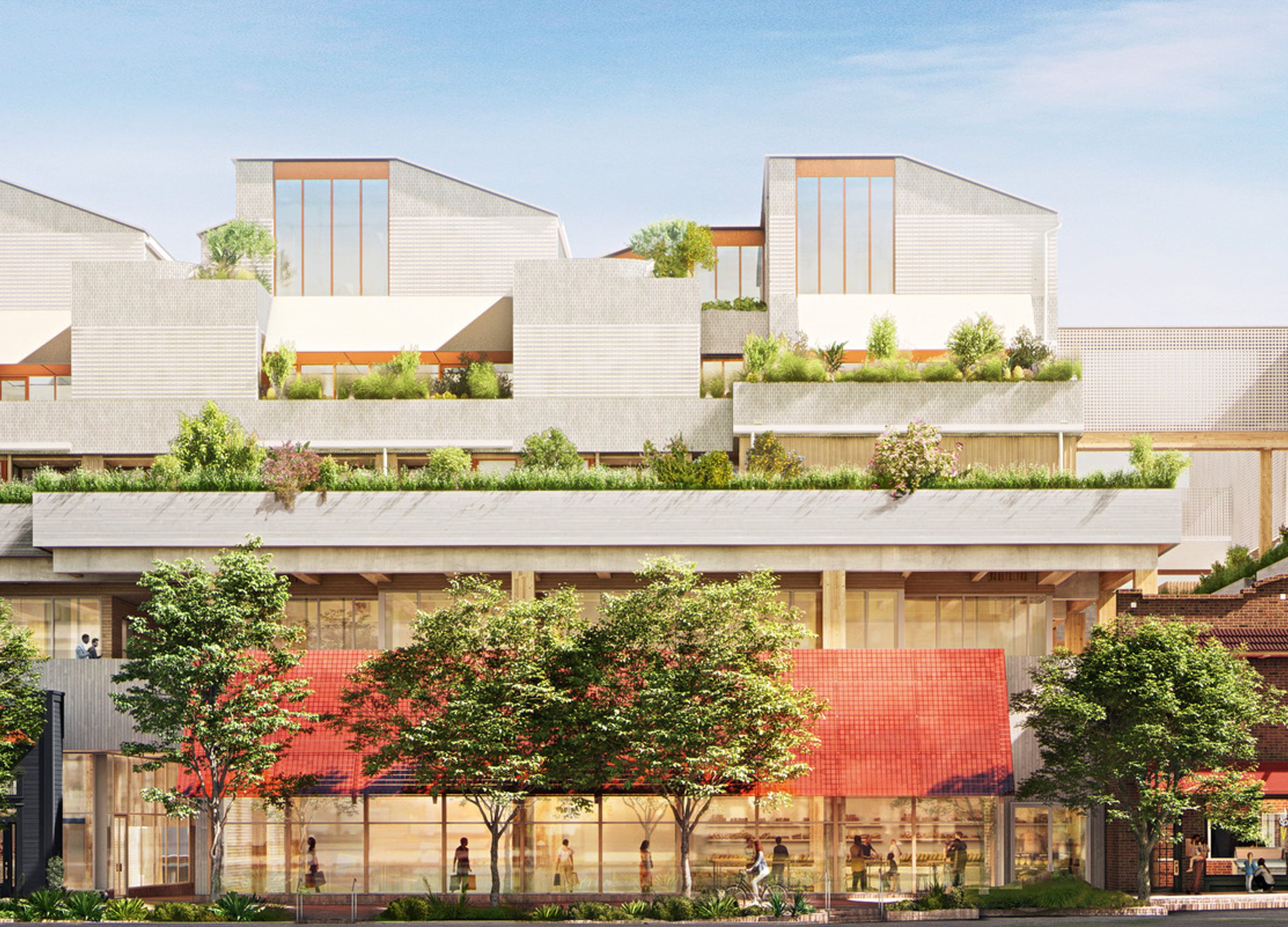
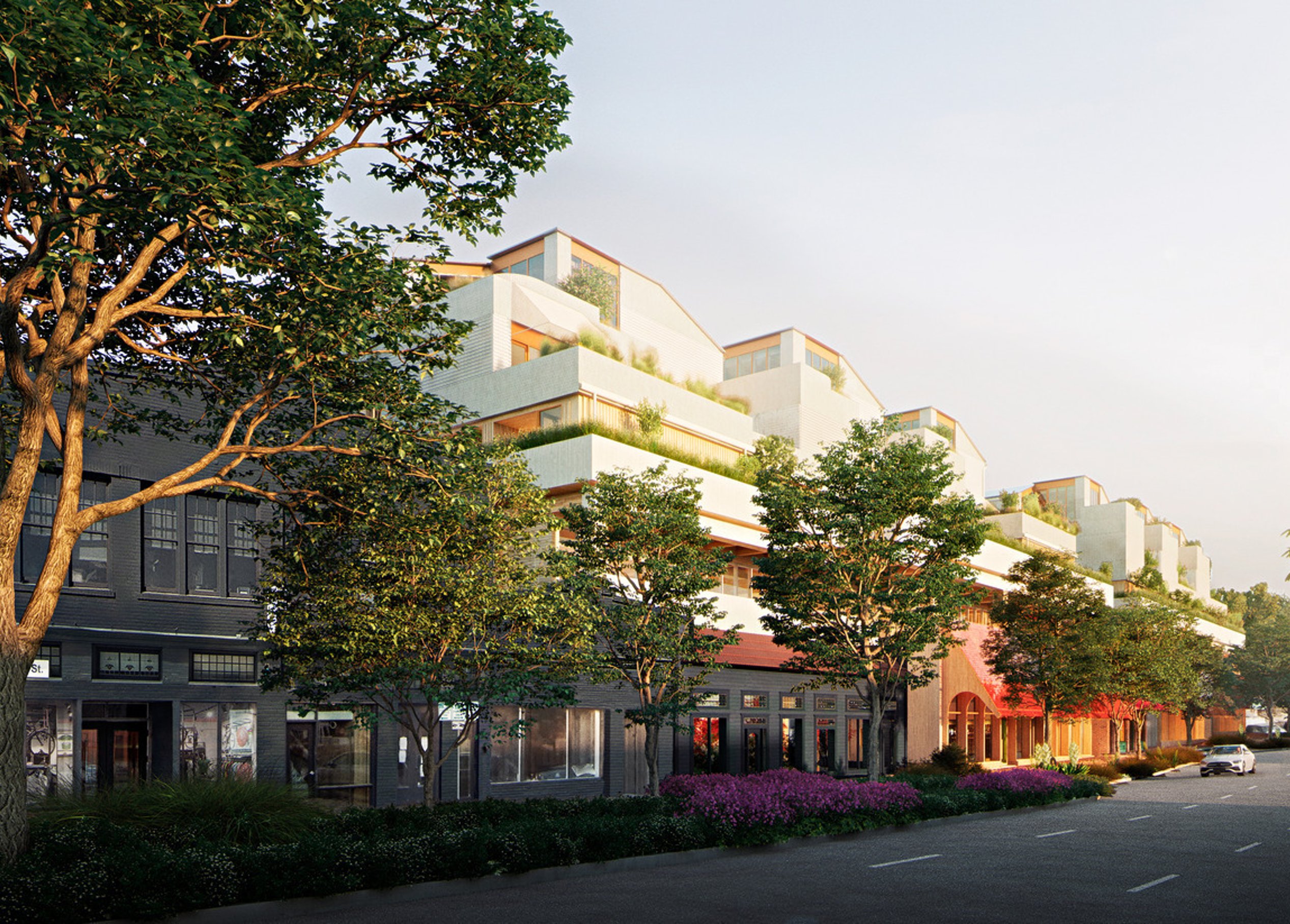
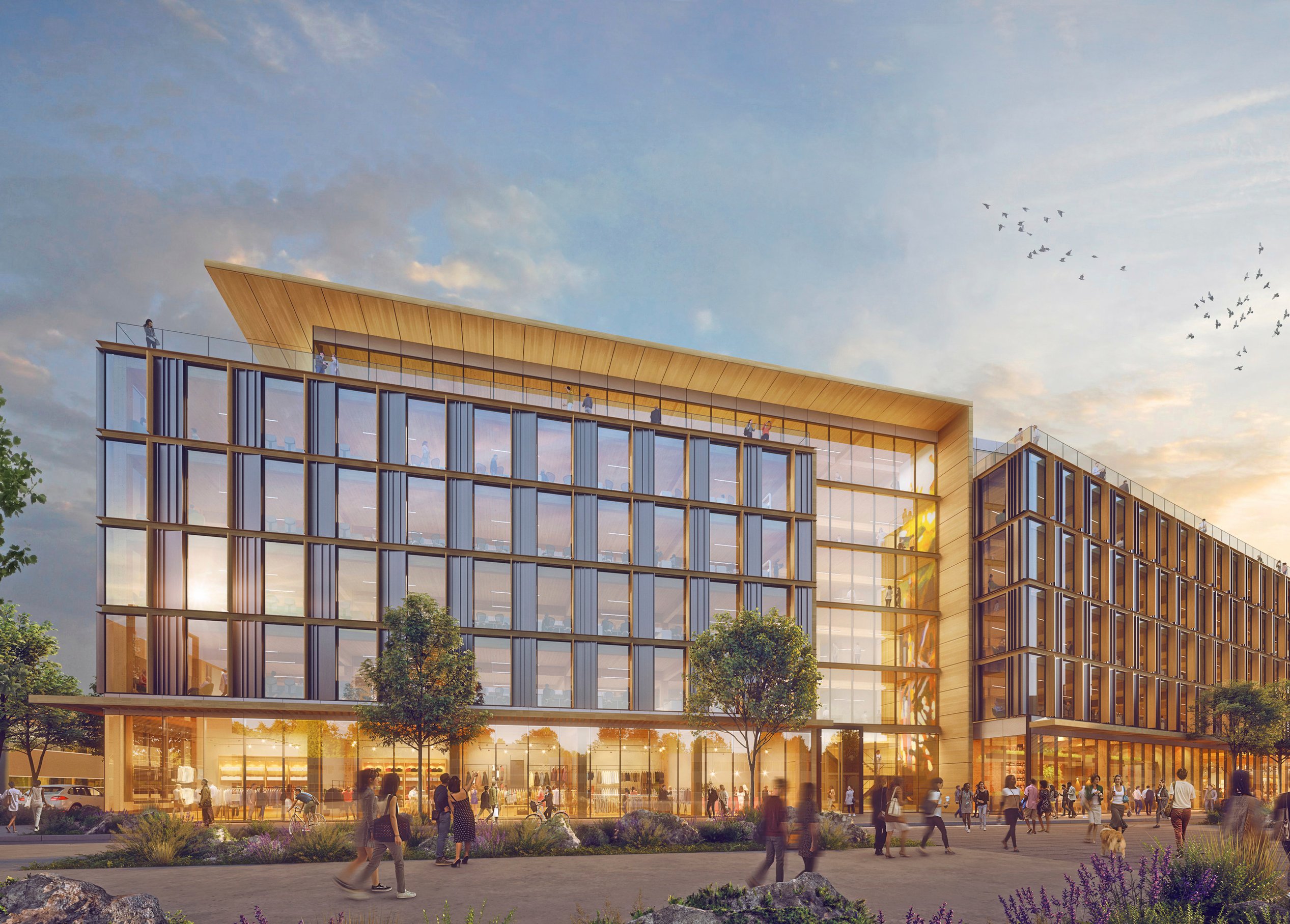
Sixth & Blanco is a six-story, mixed-use development spanning two acres in Austin’s historic Clarksville neighborhood, which blends modern design with a deep respect for its context. Retaining two historic facades along 6th Street, the design preserves a piece of Austin’s architectural legacy while integrating it into a dynamic, layered program.
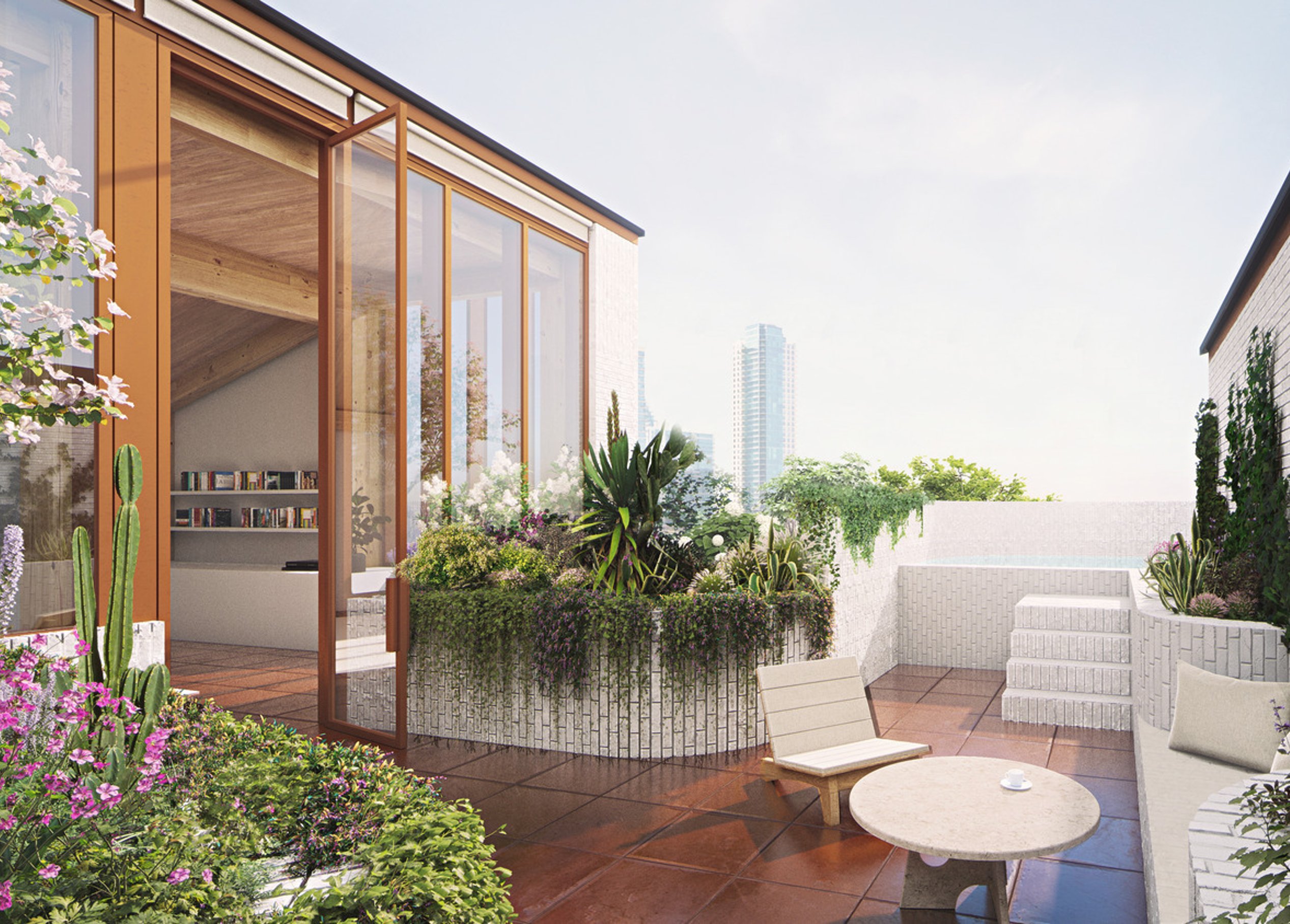
Navigating height and zoning constraints, Page executed the design with lush greenery, naturally ventilated indoor-outdoor spaces, and an engaging street-level presence—all supported by a hybrid structural system of cast-in-place concrete, precast elements, and mass timber. To maintain the character of the exposed timber ceilings, Page incorporated ductless AC.
Intricate MEP coordination allowed for multiple uses per floor, meeting stringent fire, acoustics, and health regulations, from commercial kitchens to a spa and pool.
Every component was precisely engineered, like a Swiss watch, ensuring functionality without compromising design. Here, visitors enjoy a seamless fusion of heritage and innovation, setting a new benchmark for living in Austin.
Facts and figures
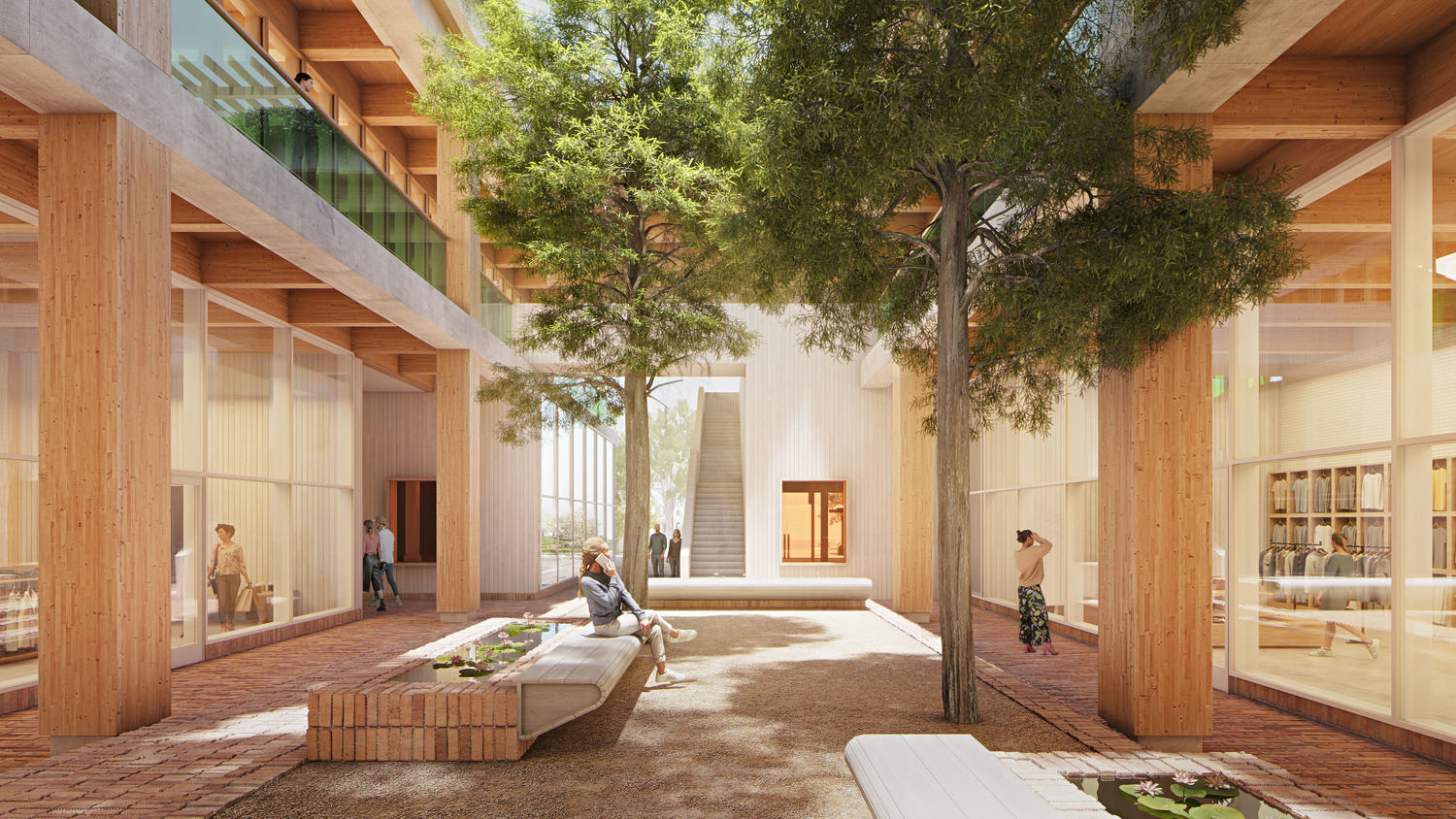
Rooted in Clarksville’s historic fabric, Sixth & Blanco redefines urban hospitality. Blending mass timber, lush courtyards, and engaging storefronts, the design fosters connection—balancing modern luxury with Austin’s rich architectural heritage in a seamless indoor-outdoor experience.

Design challenges
Page served as Executive Architect for Sixth & Blanco, navigating an intricate web of design and technical challenges to bring this ambitious mixed-use project to life. The complexity stemmed from strict height limitations, zoning restrictions, and floor area ratio constraints, all of which required strategic planning to optimize space and maintain compliance.
With a different use on every floor and, in some cases, multiple uses within a single level, coordinating mechanical, electrical, and plumbing systems was exceptionally demanding. The team devised innovative solutions to integrate essential infrastructure without compromising the design intent, all while working within strict height constraints.
The project’s hybrid structural system—combining cast-in-place concrete, precast concrete, and mass timber—added another layer of complexity. Page meticulously balanced structural integrity, acoustics, and material transitions to achieve a seamless integration of these elements. The result is a forward-thinking, high-performance building that respects its context while pushing the boundaries of urban architecture.
Code compliance
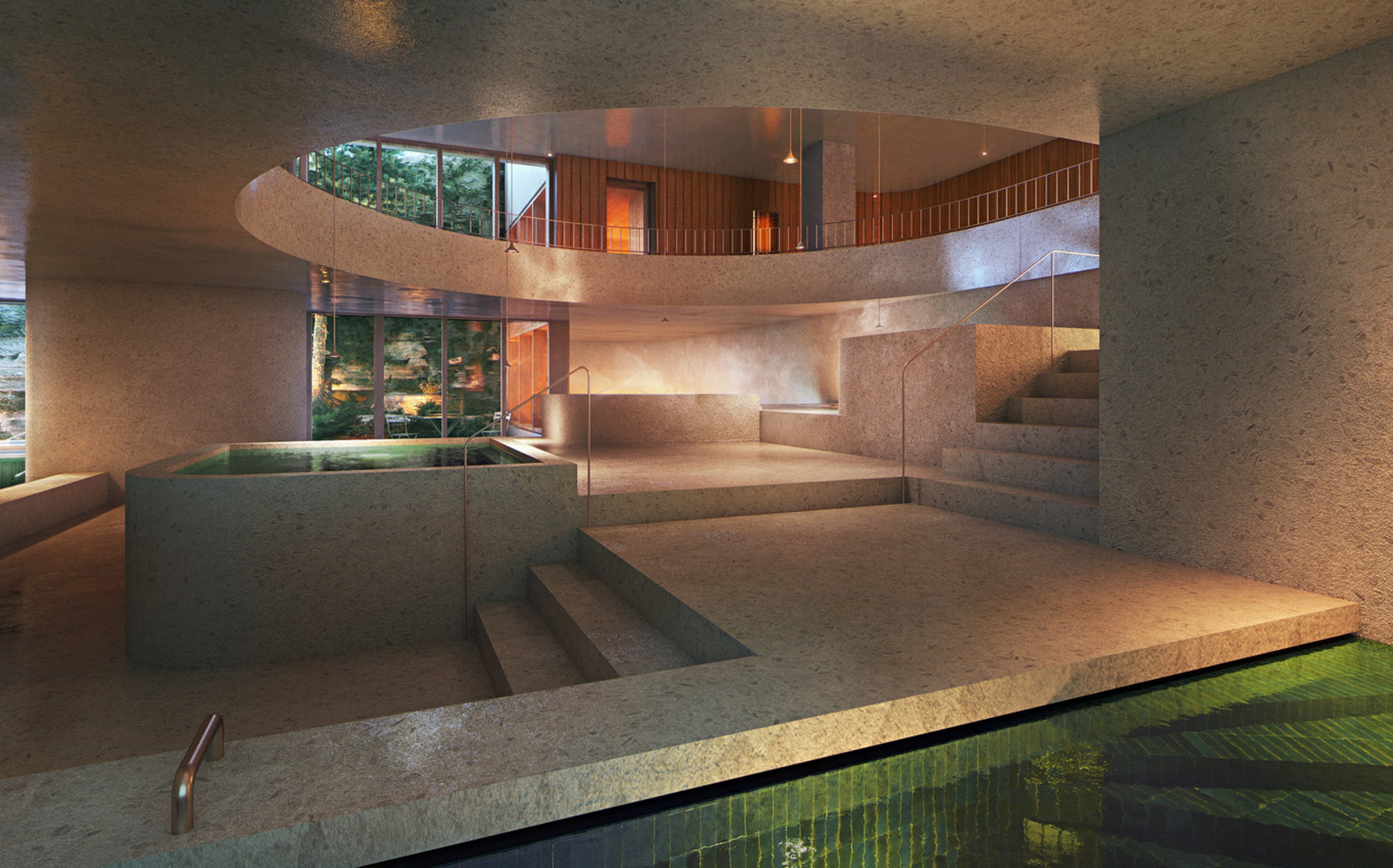
This immersive spa at Sixth & Blanco blends natural materials, layered spaces, and serene water features while meeting complex health and safety regulations.
Page’s design team skillfully maneuvered through intricate code compliance to bring Sixth & Blanco to life, balancing stringent regulatory requirements with architectural ambition. From egress planning to fire safety measures, every detail was carefully considered to ensure the building met fire rating and separation standards while maintaining a cohesive design vision.
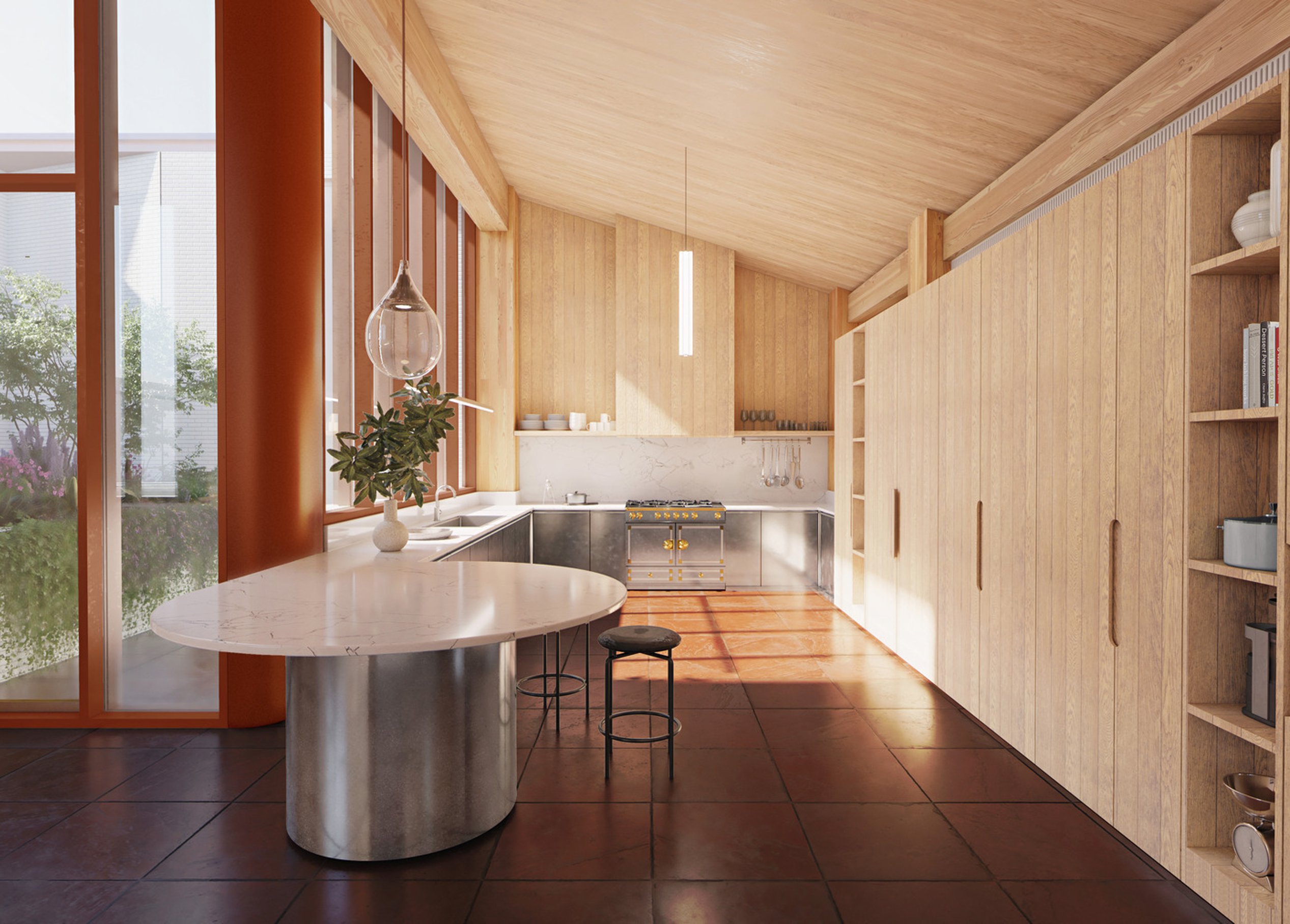
One of the most intricate challenges was integrating three commercial kitchens, each subject to strict health codes, ventilation needs, and fire suppression regulations. These spaces required precise coordination to accommodate heavy-duty exhaust systems and grease traps while preserving the project’s aesthetic and spatial integrity.
Beyond the kitchens, the hospitality and residential amenities introduced further complexities. The concept spa, hotel pool, and individual residential cocktail pools demanded compliance with health and safety regulations, water treatment standards, and structural considerations. The team ensured seamless integration of these features while adhering to ventilation, drainage, and accessibility codes.
By taking a holistic approach to compliance, Page successfully aligned functionality, safety, and design—transforming regulatory challenges into opportunities for innovation. The result is a development that meets the highest standards while offering a refined, immersive experience for residents and visitors alike.

Mass timber integration
As executive architect, Page played a critical role in integrating mass timber within the project’s hybrid structural system, which also includes cast-in-place and precast concrete. This approach presented both aesthetic opportunities and technical challenges, requiring precision to balance structural integrity, acoustics, and fire safety.
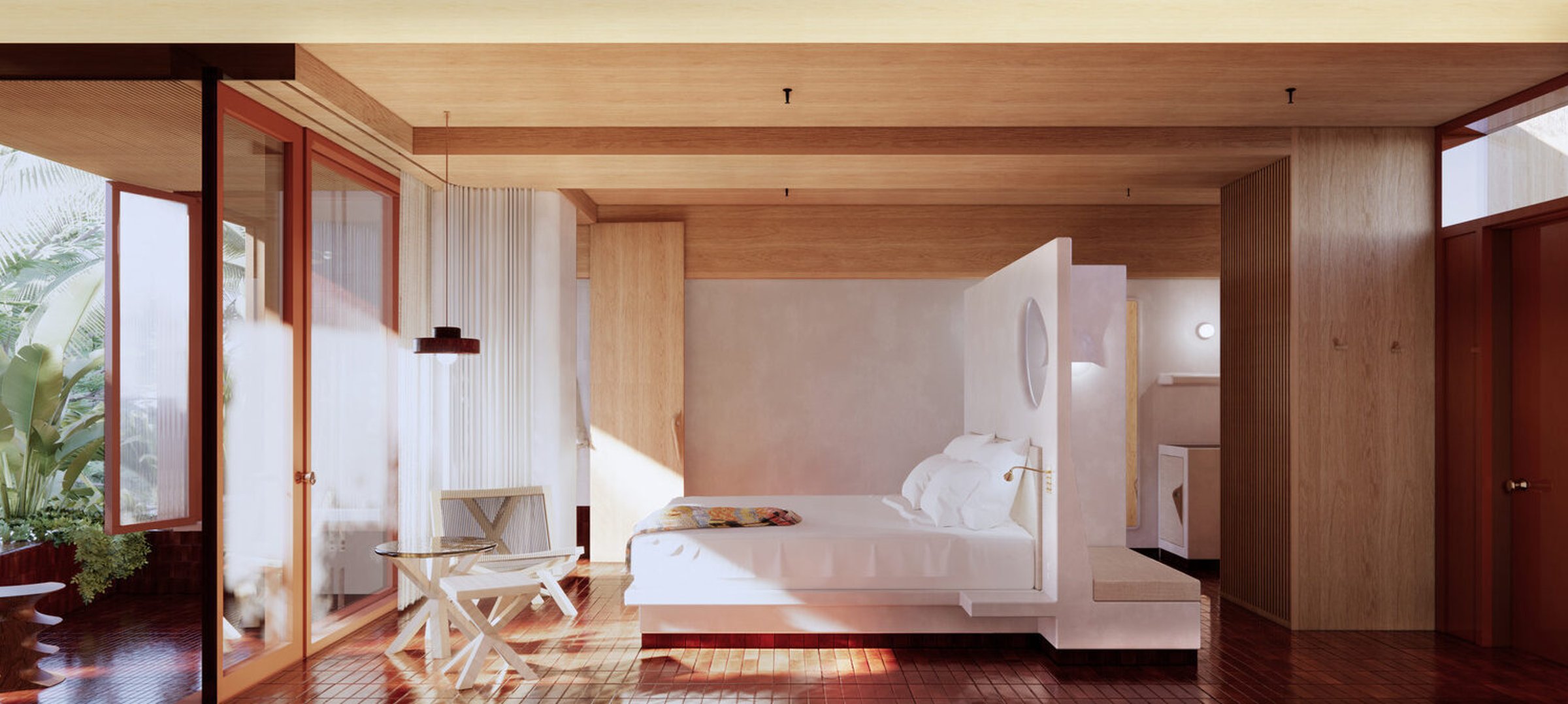
One of the most intricate aspects was designing flooring and ceiling assemblies to meet dwelling unit acoustical requirements—a particularly complex task in mass timber buildings, where sound transmission differs from conventional concrete or steel structures. Page worked closely with acoustic consultants to develop multi-layered assemblies that control impact and airborne noise while preserving the material’s natural beauty.
Additionally, the team identified mechanical solutions that allowed for ductless AC systems, ensuring the exposed timber ceilings remained visually uninterrupted. This coordination extended across multiple uses per floor, requiring innovative MEP integration to accommodate hospitality, residential, and retail functions within the building’s height constraints.
By seamlessly blending engineering precision with architectural vision, Page ensured that mass timber’s warmth and sustainability could be fully realized without compromising performance, comfort, or compliance. These solutions established a thoughtfully executed, high-performance design that elevates both experience and environmental responsibility.
Gallery


/
Similar projects
/

Talk with us
Complex challenges need fresh perspectives and deep expertise. Connect with our team to explore how we can help you create spaces that make a real difference.