by Robert McClure, Alison Ledwith, and Mo Elsayed

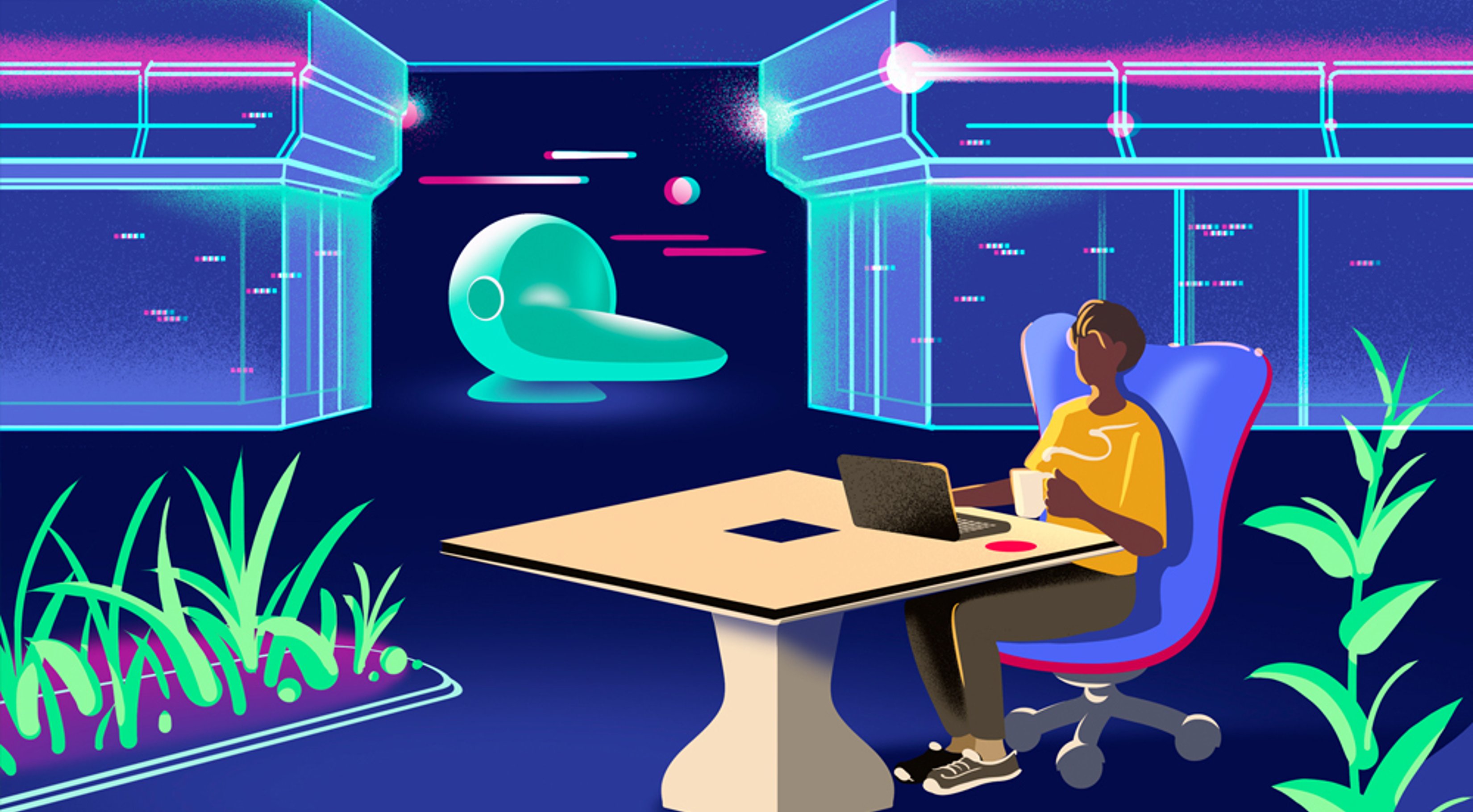
The negative impact of artificial lighting on the circadian rhythms of night shift workers can be successfully mitigated through design.
Night shift workers face unique physical and mental challenges imposed by their schedules. The circadian rhythm is driven by sunlight, so human bodies typically produce hormones throughout the day that alternately elevate awareness and productivity with sleepiness. Unsynchronized biological clocks can adversely affect body temperature, thirst, appetite, mood, immunity, cell repair, and other critical functions.
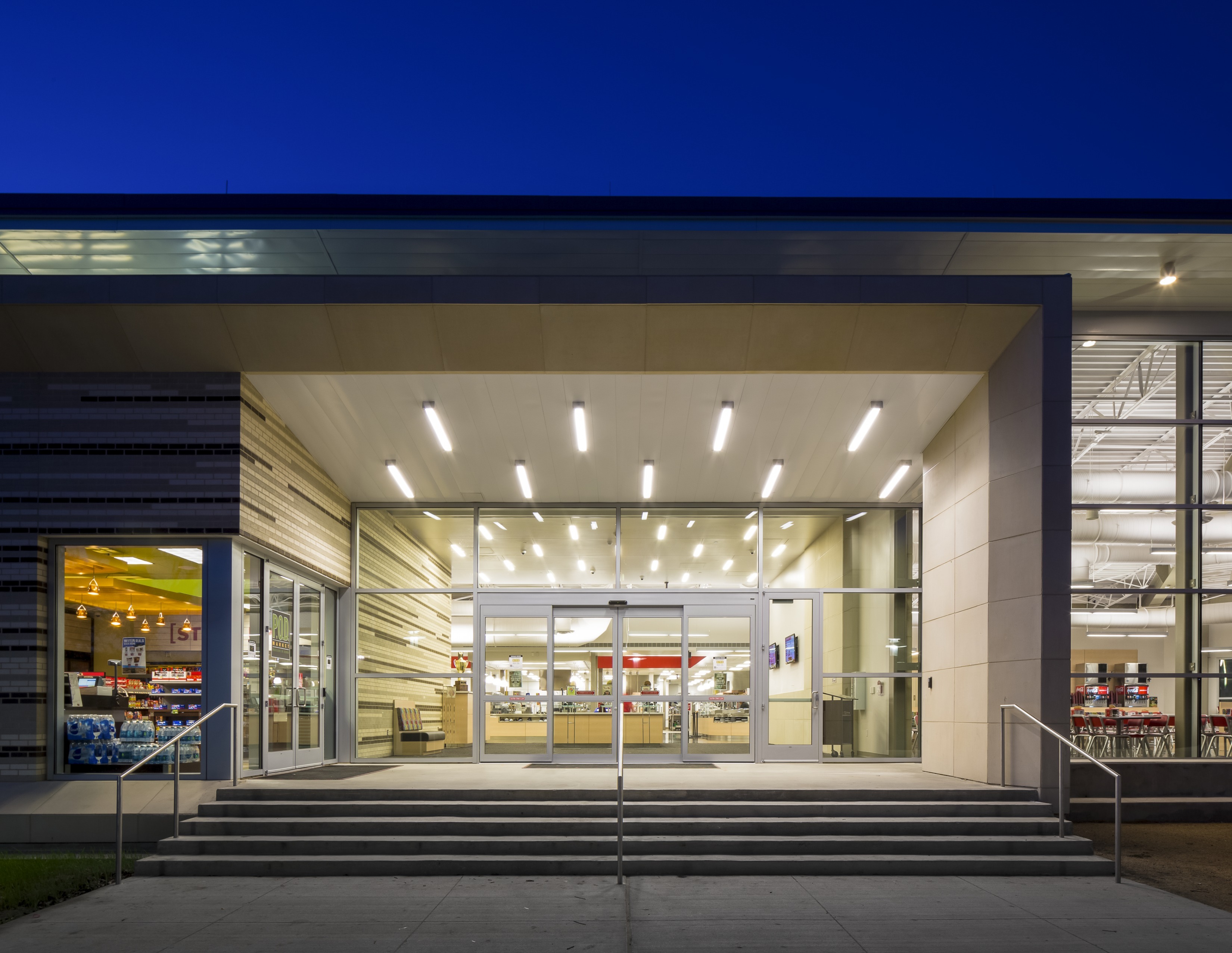
Since a majority of employees spend over 90% of their worktime indoors, the WELL Building Standard addresses poor working conditions, food choices, stress, and how these conditions affect the daily health of building occupants. It is a combination of environmental health, building design, human health and behavioral factors.
Designers can mitigate these with advanced LED lighting that mimics the rhythm of natural sunlight. Color selection can affect the rate of eyestrain, and the reduction of blue light commonly found in electronics can be achieved through either the selection of newer hardware or universal software downloads.
While the benefits of exercise rooms are obvious, nap rooms are not as widely seen in traditional offices. NASA recognized the crucial role of sleep for its astronauts and experimented with short naps during the workday. Performance skyrocketed, and today, the “NASA nap” is a common practice among employees whose jobs don’t “follow the sun,” such as doctors on call and international airline pilots.1
Employee-centric programs combined with WELL Building Standards can also improve the overall performance of night shift workers.
Excerpted from research conducted by Dave Weatherly, PE, LEED AP, RCDD, and Page, now Stantec Associate Principal. His paper was published in full in the ASCE-ASME Journal of Risk and Uncertainty in Engineering Systems, Part B: Mechanical Engineering, Special Issue: Human Performance and Decision-Making in Complex Industrial Environments.2 It is available upon request.
Editor's note: This article was previously published on April 28, 2023.
Rosekind, MR., Graeber, RC., Dinges, DF., Connell, LJ., Rountree, MS., Spinweber, CL., & Gillen, KA. (September, 1994). Crew factors in flight operations IX: Effects of planned cockpit rest on crew performance and alertness in long-haul operations (NASA TM-108839). NASA Ames Research Center.
Weatherly, DG. Lighting and the circadian rhythm of night shift workers. ASME. ASME J. Risk Uncertainty Part B. March 2020;6(1):011007.

With over forty years of engineering experience, Dave excels in projects across all market sectors. His expertise is now expanding into emerging technologies, including optical fiber networks, data centers, advanced security systems, Generative AI, and digital twin techniques. His forward-thinking work ethic has him researching microgrids, DC voltage systems, hydrogen as a future energy source, and being a member of TIA committees to update standards. Dave consistently designs projects that are smart, scalable, sustainable, and must provide value to his clients.
More
by Robert McClure, Alison Ledwith, and Mo Elsayed


Complex challenges need fresh perspectives and deep expertise. Connect with our team to explore how we can help you create spaces that make a real difference.