
Texas Capitol Complex Master Plan and Phase I
Page led the strategic transformation of the Texas Capitol Complex, developing the 2016 Master Plan and serving as Master Architect and Engineer for the Phase I redevelopment. This comprehensive 40-block plan established a bold vision for the state’s most prominent real estate asset, setting long-term goals for sustainability, efficiency, and civic engagement.
After completing the plan, Page was selected to lead the Phase I design of 1.1 million square feet of office, event, and amenity space in two new buildings, five levels of underground parking, and the 3-block-long Capitol Mall.
For project implementation, Page ensured quality control, guaranteeing that construction, materials, and execution aligned with the plan’s vision. With ongoing biennial plan updates in 2018, 2020, 2022, and 2024, this initiative is reshaping Austin’s civic and government landscape for generations to come.
Awards
-
12023 ULI Austin Impact Award for Best Public Place
-
22017 AIA Austin Design Award
-
32017 ASLA Honor Award in Analysis and Planning

District plan
The 2016 Texas Capitol Complex Master Plan reimagines Austin’s civic heart, establishing a state office and cultural hub with vibrant public spaces, shaded pedestrian streets, and stronger community connections. Page led the development of this 40-block master plan, the first for the district in 60 years, balancing history, urban integration, and legislative constraints to create a bold and enduring vision.
Three key design principles emerged:
- A cultural gateway & capitol mall, creating a grand approach to the Texas Capitol Complex.
- Key corridors reinforcing strong pedestrian and vehicular connectors.
- A historic precinct & garden district, preserving significant architectural and landscape elements within a modern urban setting.
To consolidate 1.2 million square feet of state offices from leased spaces across Austin, the plan introduces six new office buildings on underutilized sites. These will shape the Capitol Mall and Historic Precinct while defining a dynamic urban character along 15th Street and MLK Jr. Boulevard.


/
Capitol Mall

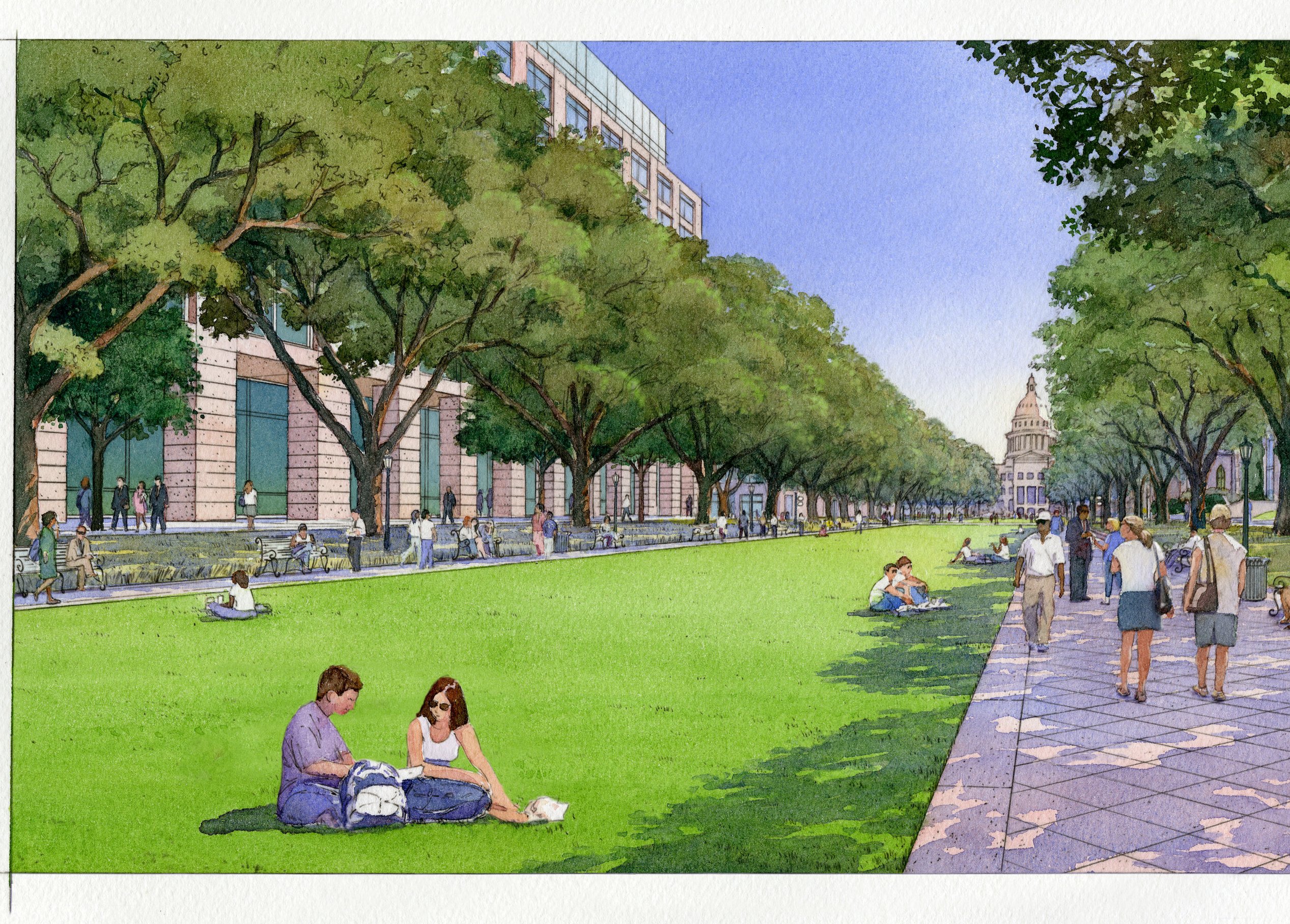
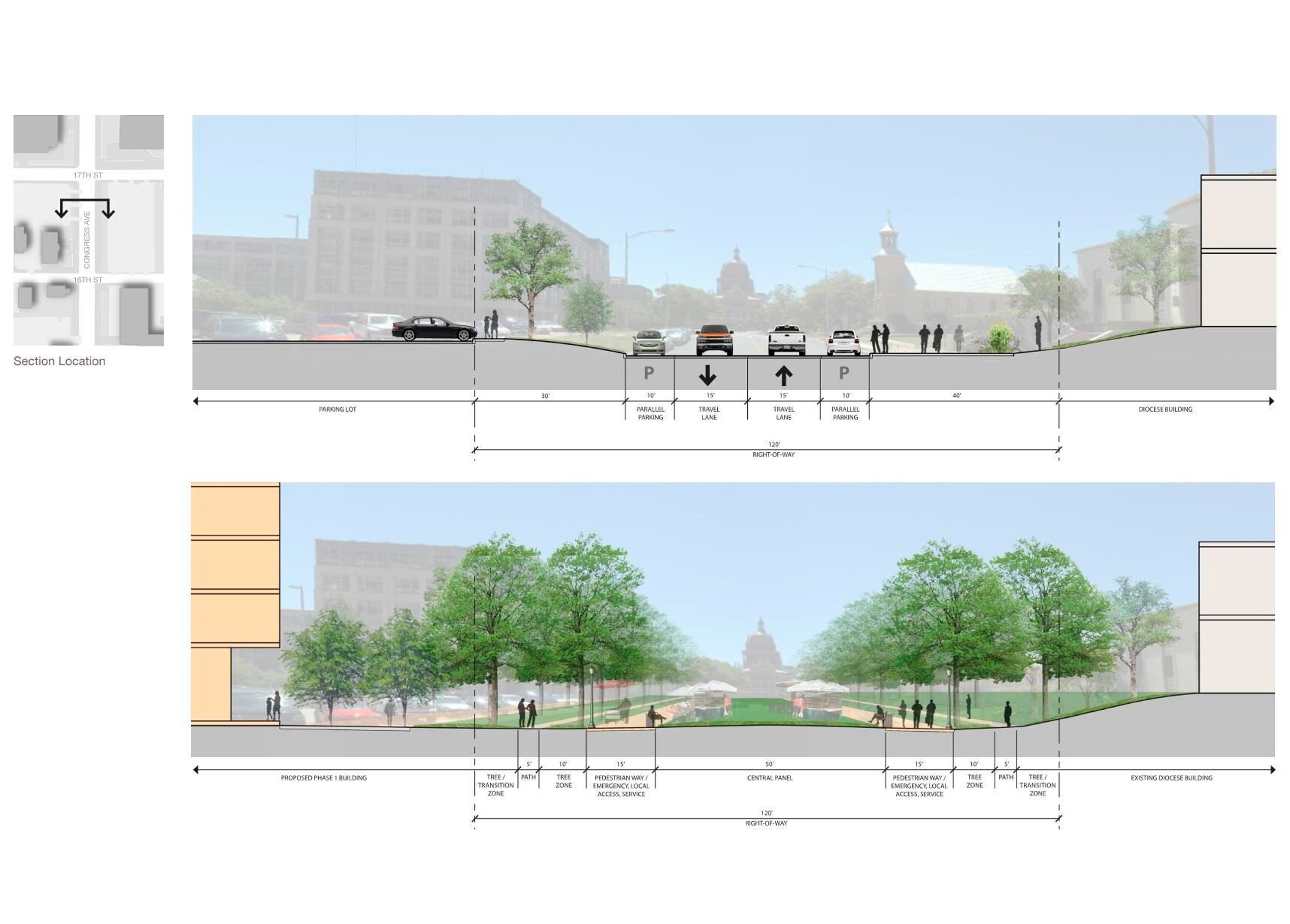
The Capitol Mall, a four-block, tree-lined boulevard, will host events, informal gatherings, and civic celebrations in the city’s core. Beneath it, an underground parking and infrastructure network will support the next generation of state offices and public spaces, ensuring a future-ready, connected, and resilient Capitol Complex.
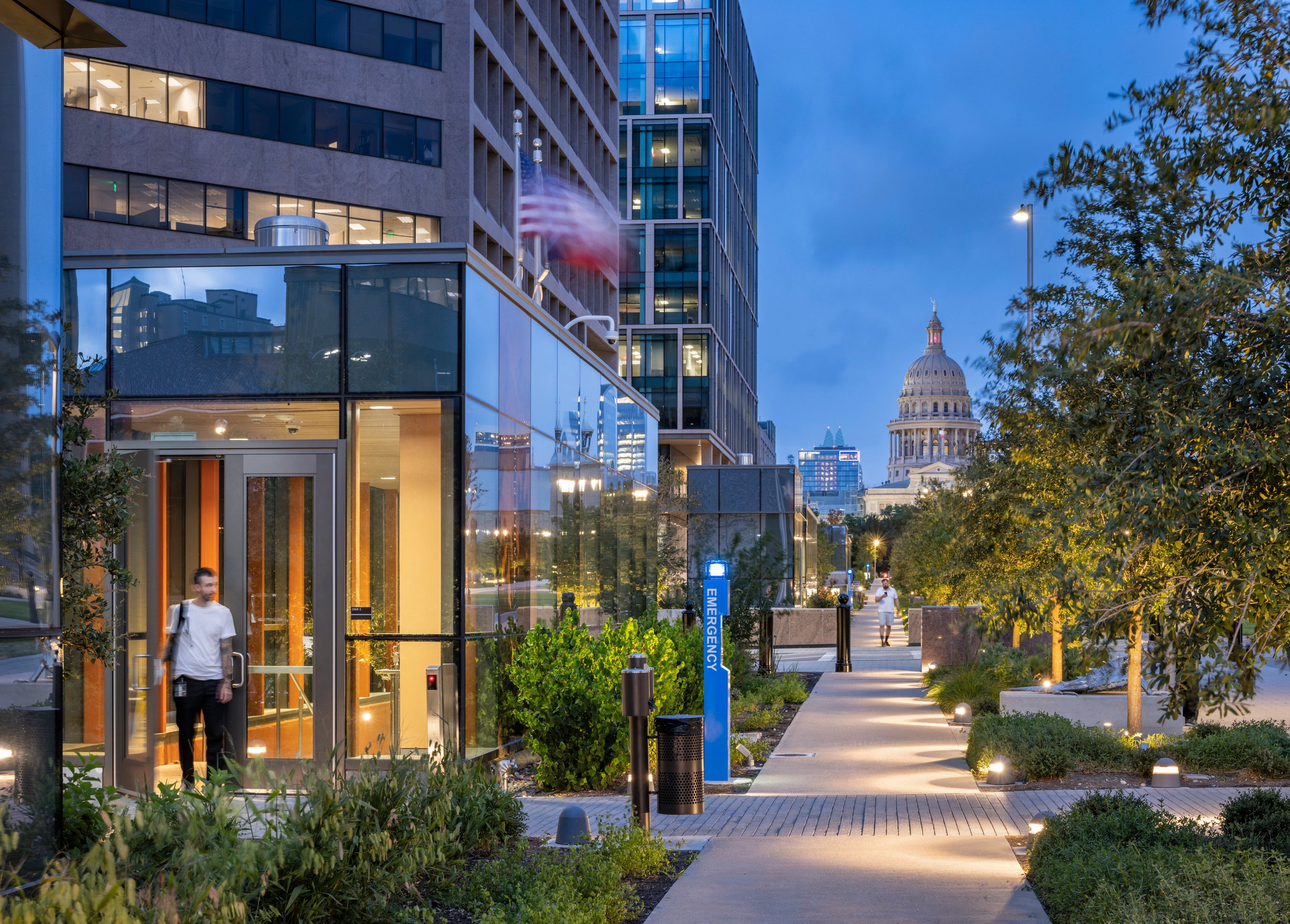
This new open space includes a cultural venue, cafes, a food truck area, a playground, interactive children’s play sculptures, a theater, and a plaza to support an outdoor event stage. With the completion of the Capitol Mall, a continuous landscaped pedestrian corridor now links downtown Austin to Dean Keaton Street, spanning 15 blocks. This seamless route—connecting 11th Street, the Capitol Grounds, the Capitol Mall, Blanton Museum Plaza, and UT’s Speedway Mall—enhances walkability, biking access, and urban integration, fostering a more connected city.


/
Phase I design

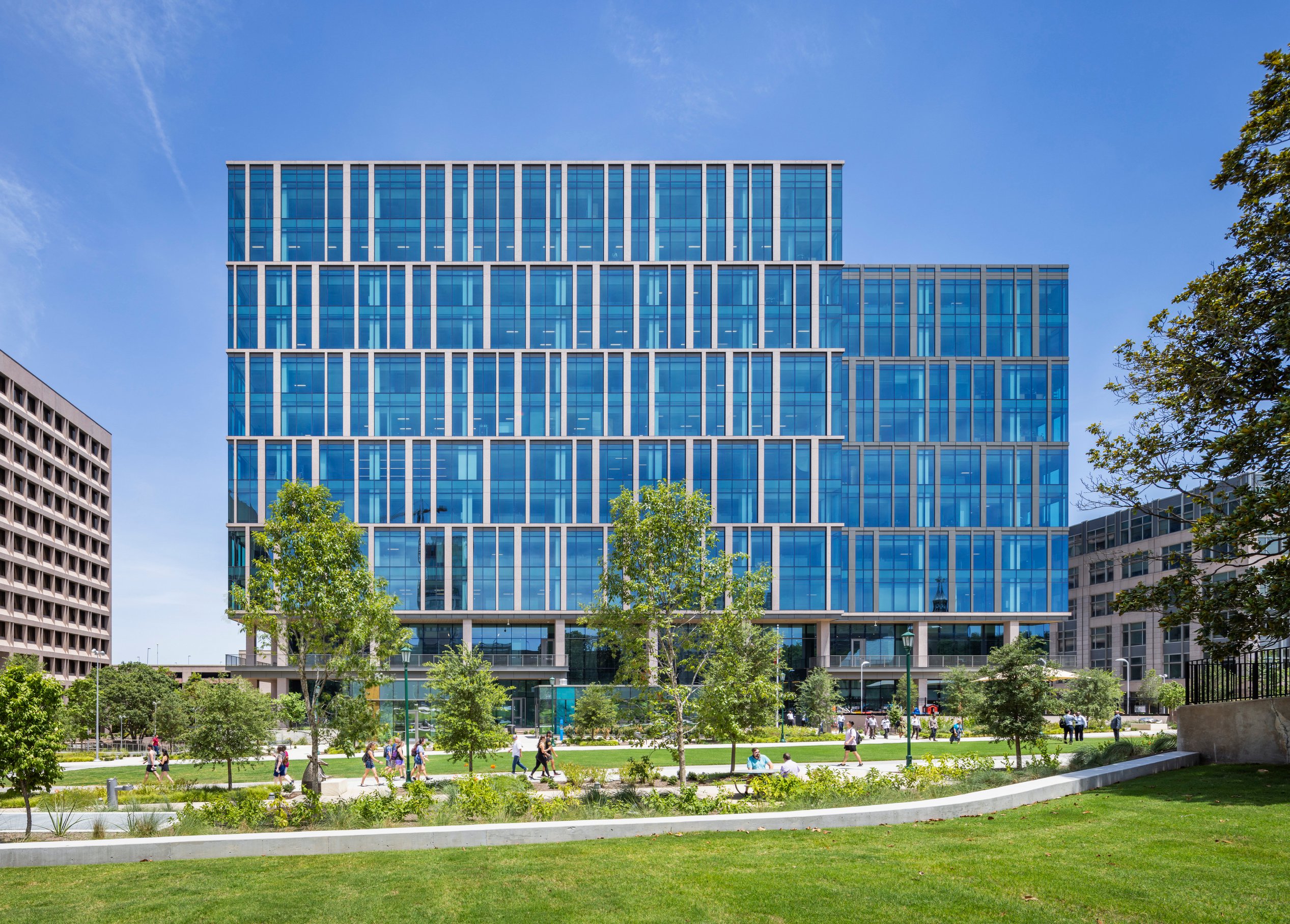
At the entrance to the mall, the George HW Bush Building anchors “museum plaza,” a unifying public space between three cultural venues.
As Master Architect and Engineer, Page developed the concept design of a five-block area, leading six significant scopes of work:
- Subgrade excavation
- Utility infrastructure upgrades
- Concept design for a new central utility plant
- Concept design for two high-rise office buildings
- Design of a five-floor below-grade parking structure
- Creation of the Capitol Mall
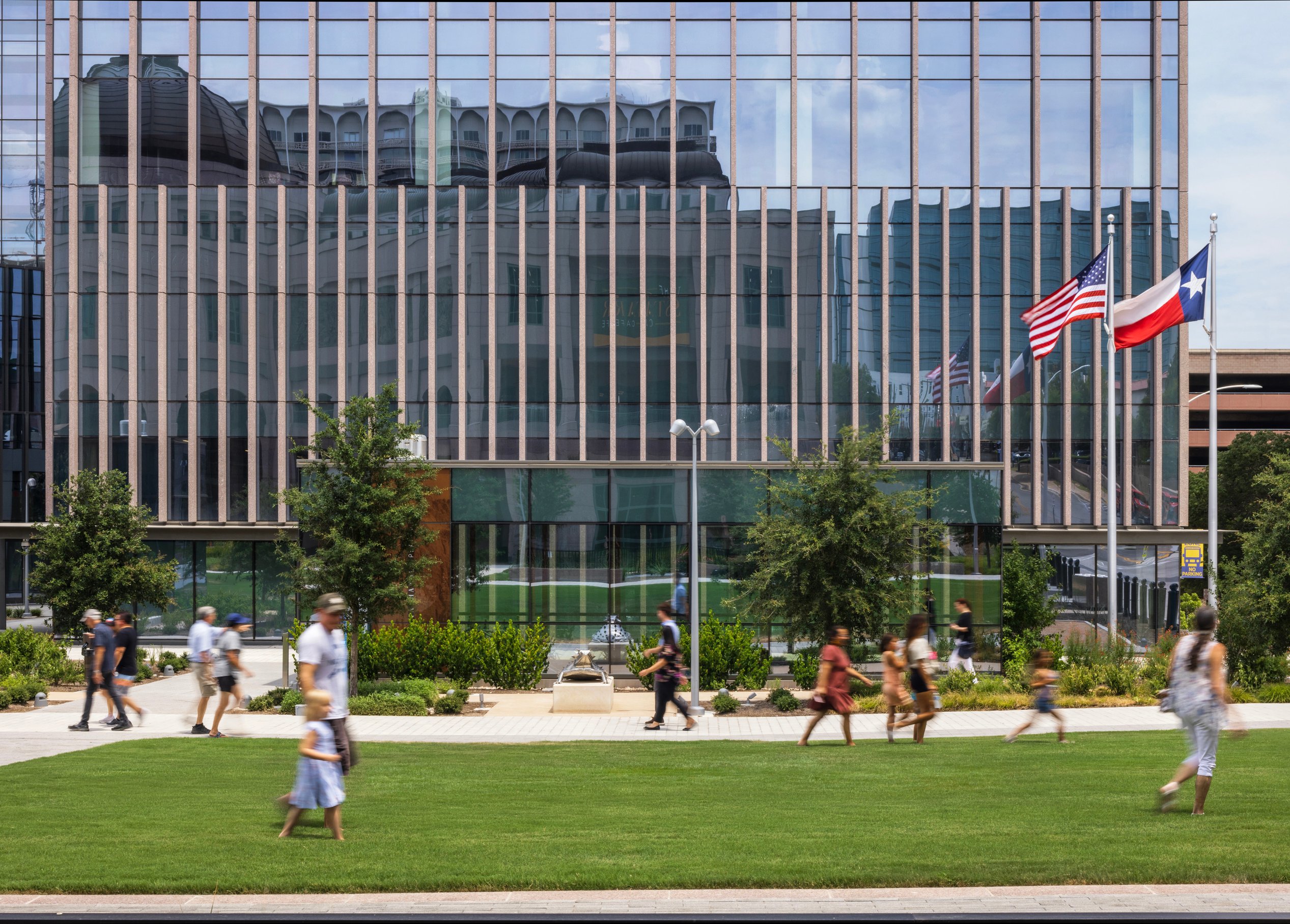
The two new buildings embody the vision and design principles set forth in the master plan, shaping a modern, dignified presence within the complex. The George HW Bush State Office Building serves as a signature gateway, marking a bold entrance to the district, while the Barbara Jordan State Office Building, located at the heart of the Capitol Mall, anchors the civic space with a strong architectural identity.
Their facades seamlessly integrate sunset red granite, sourced from the same quarry as the State Capitol, with expansive glass elements, creating a contemporary yet timeless aesthetic for state office spaces. Below-grade parking is strategically designed with glass portals, fostering transparency and engagement while allowing visitors and employees to connect with the mall’s activated public realm. This thoughtful design approach ensures that these buildings meet functional needs and enhance the Capitol Complex experience for all who visit.



/
Design guidelines
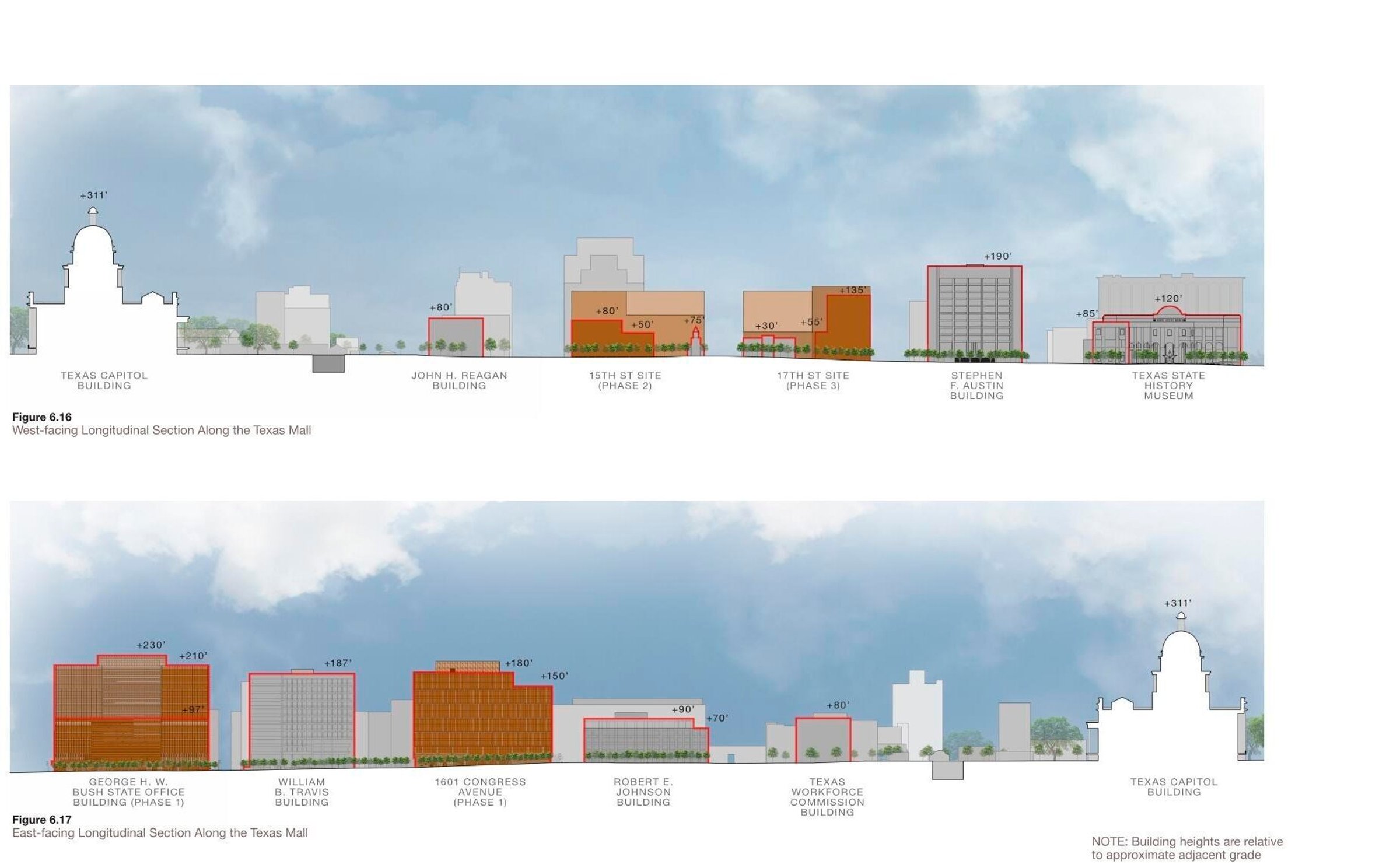
Unifying the district through flexible guidelines
To maintain a unifying character for the Capitol Complex, design guidelines were developed for urban design, landscape architecture, architecture, monuments, and wayfinding and signage.
Page also developed detailed Owner Project Requirements, setting quality benchmarks, energy efficiency goals, and life-cycle cost standards to ensure the project's longevity and sustainability.
Branding & wayfinding
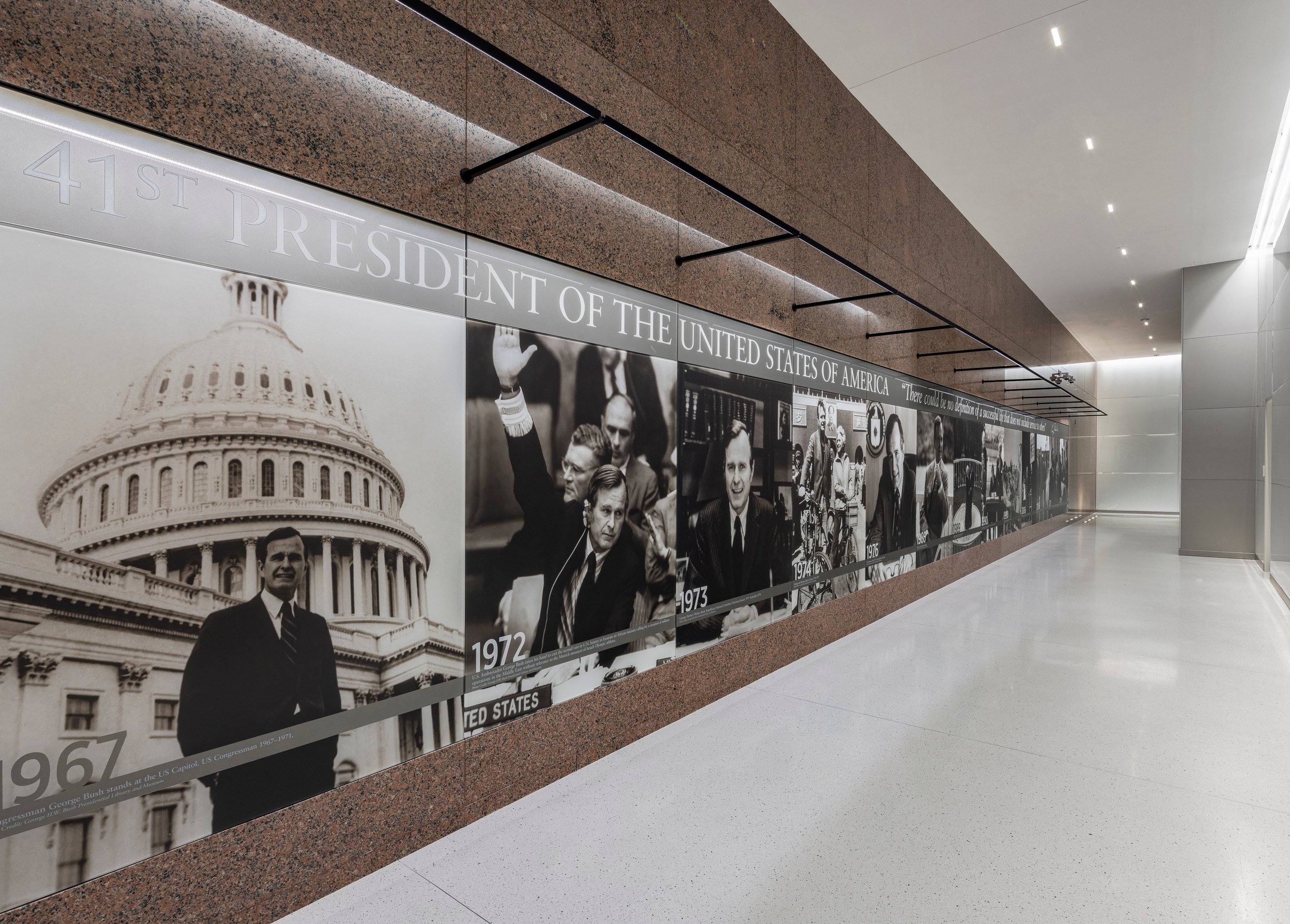


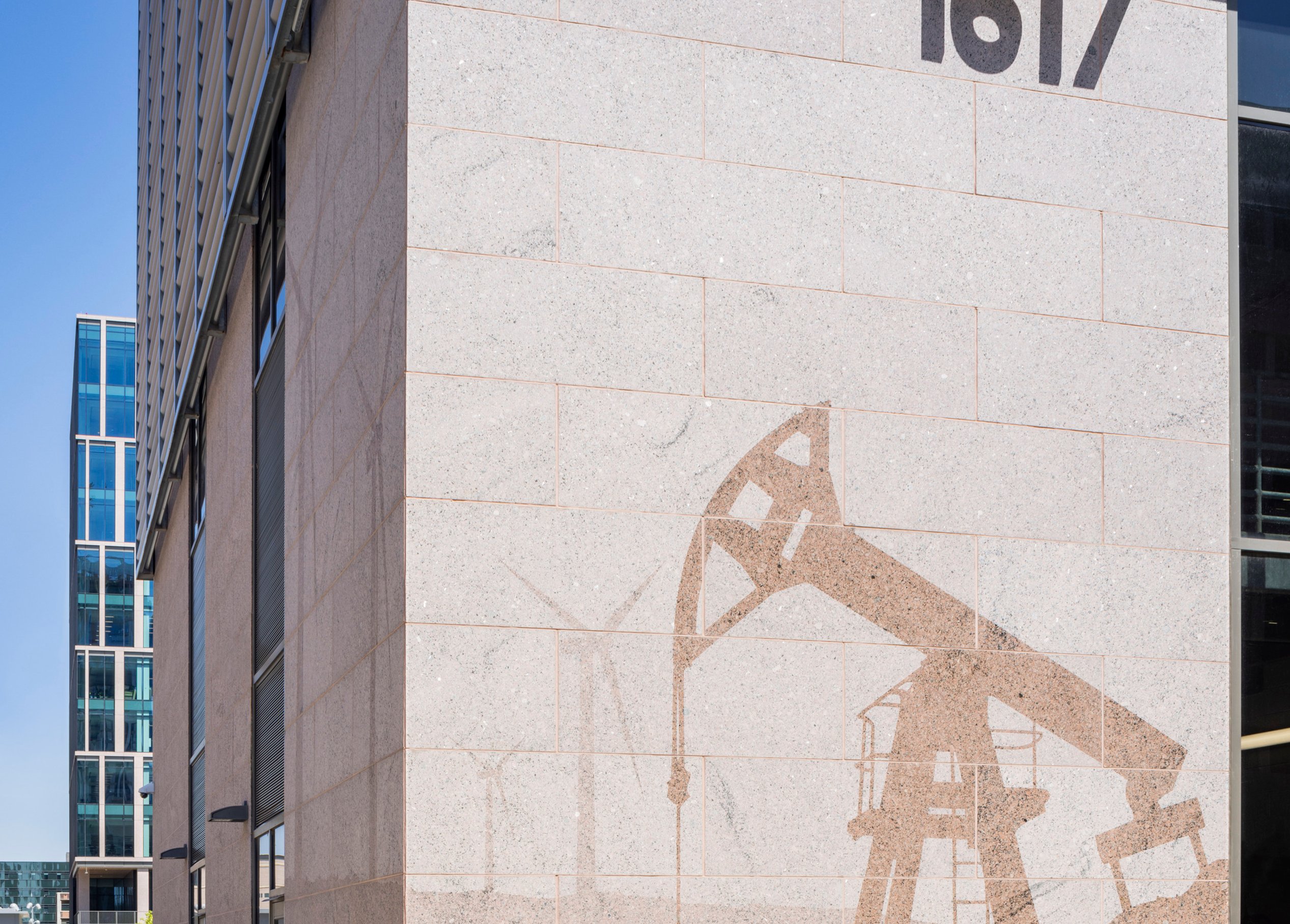
Page’s Branding and Experiential Graphic Design team crafted wayfinding guidelines to ensure consistent messaging across the district. Inside the buildings, custom graphics celebrate Texas’ legacy, creating a distinct sense of place that blends history, identity, and seamless navigation throughout the Capitol Complex.
/
View the plan

Similar projects



/

Talk with us
Complex challenges need fresh perspectives and deep expertise. Connect with our team to explore how we can help you create spaces that make a real difference.