
Feature
August 7, 2025
Investing in people: How mentorship drives high-performance project delivery
by Margarita de Monterrosa in conversation with Jennifer Wegner

Listen to this story
AI powered reader
/
The key to enhancing project performance and achieving excellence, whether in business or other domains, lies in strategic investment in people. Investment in people means more than providing support to employees; it means helping employees thrive in a well-designed system, led by someone who keeps everyone focused on the system’s aim.1 When this approach is consistently implemented, it yields measurable and significant outcomes within the built environment. Investing in personnel cultivates a resilient organizational culture capable of addressing substantial challenges effectively. An exemplary demonstration of this principle is the successful completion of the Texas Children’s Hospital North Austin Campus, a greenfield project finalized ahead of schedule and under budget, despite its initiation just weeks prior to the COVID-19 pandemic's disruption of in-person collaboration.
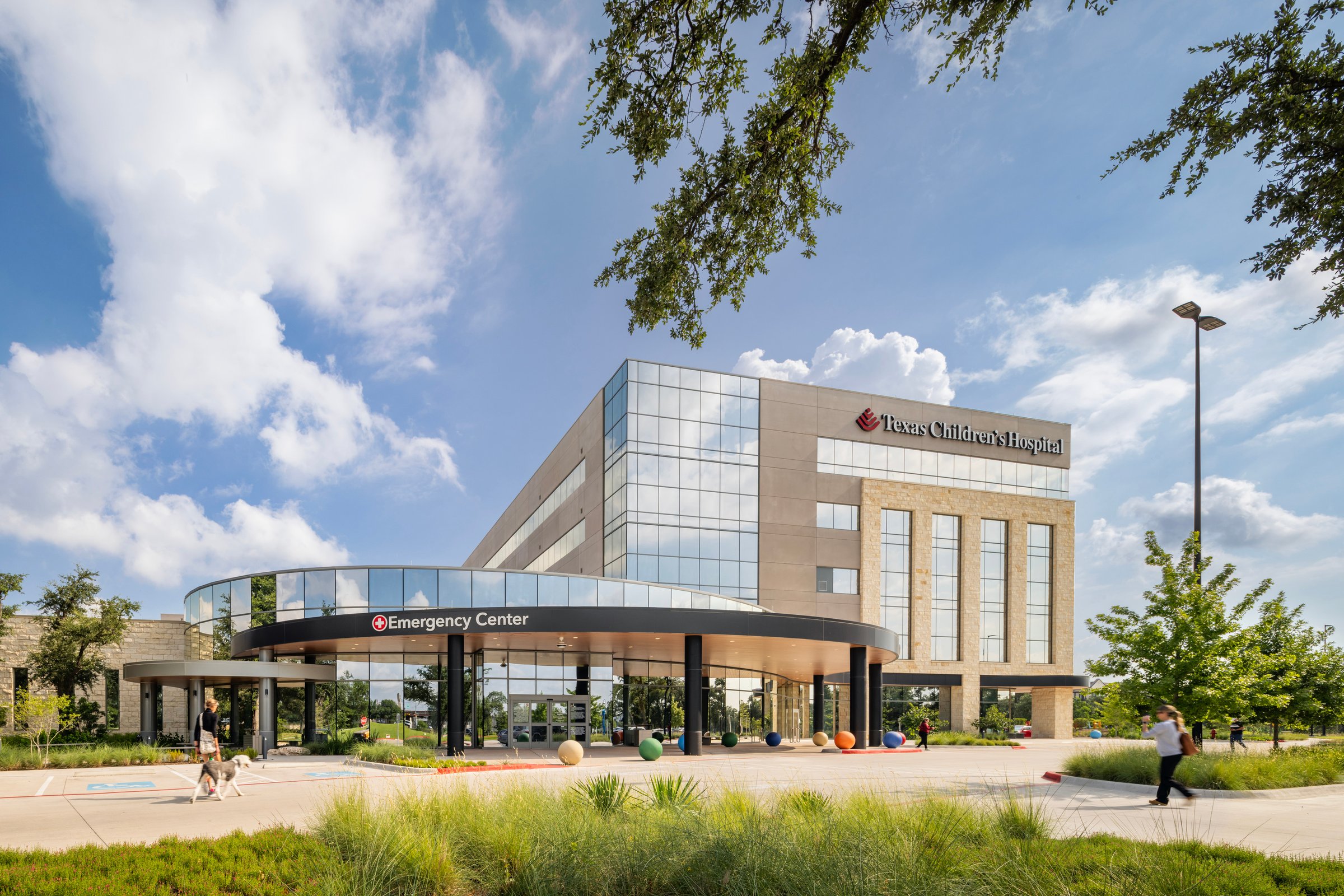
Built for performance and people, Texas Children’s Hospital North Austin Campus opened in time for its 70th anniversary in 2024. Photo by Albert Vecerka/Esto
As late winter shifted to early spring in 2020, the COVID-19 pandemic spread across the country. Lead architect Margarita de Monterrosa recalls the team at Page, now Stantec, initially worked together in person but quickly had to switch to a virtual format. "We started in person, and six weeks in, everything paused due to the pandemic. But then it resumed, and we had a tighter deadline. We had to deliver eight months quicker, to align with the hospital’s 70th anniversary.” Confronted with this unforeseen challenge, de Monterrosa and the rest of the project leaders relied on mentorship, trust, and a structured approach to successfully complete one of Page’s most critical projects in record time.
With that transition to remote work, de Monterrosa recognized that this shift necessitated a deliberate approach from the leadership team. They needed to be intentional not only in scheduling virtual meetings but also in encouraging meaningful participation and effective decision-making during those sessions. Mentorship had to be a core strategy, not an afterthought. De Monterrosa and the leadership team were deliberate about including emerging staff members. “Instead of just downloading decisions to them, we invited them to listen in, observe negotiations, presentations, and conflict resolution,” she explained. This exposure to high-level decision-making served as a strong catalyst for maintaining the project’s delivery goals and fostering professional growth among junior team members.
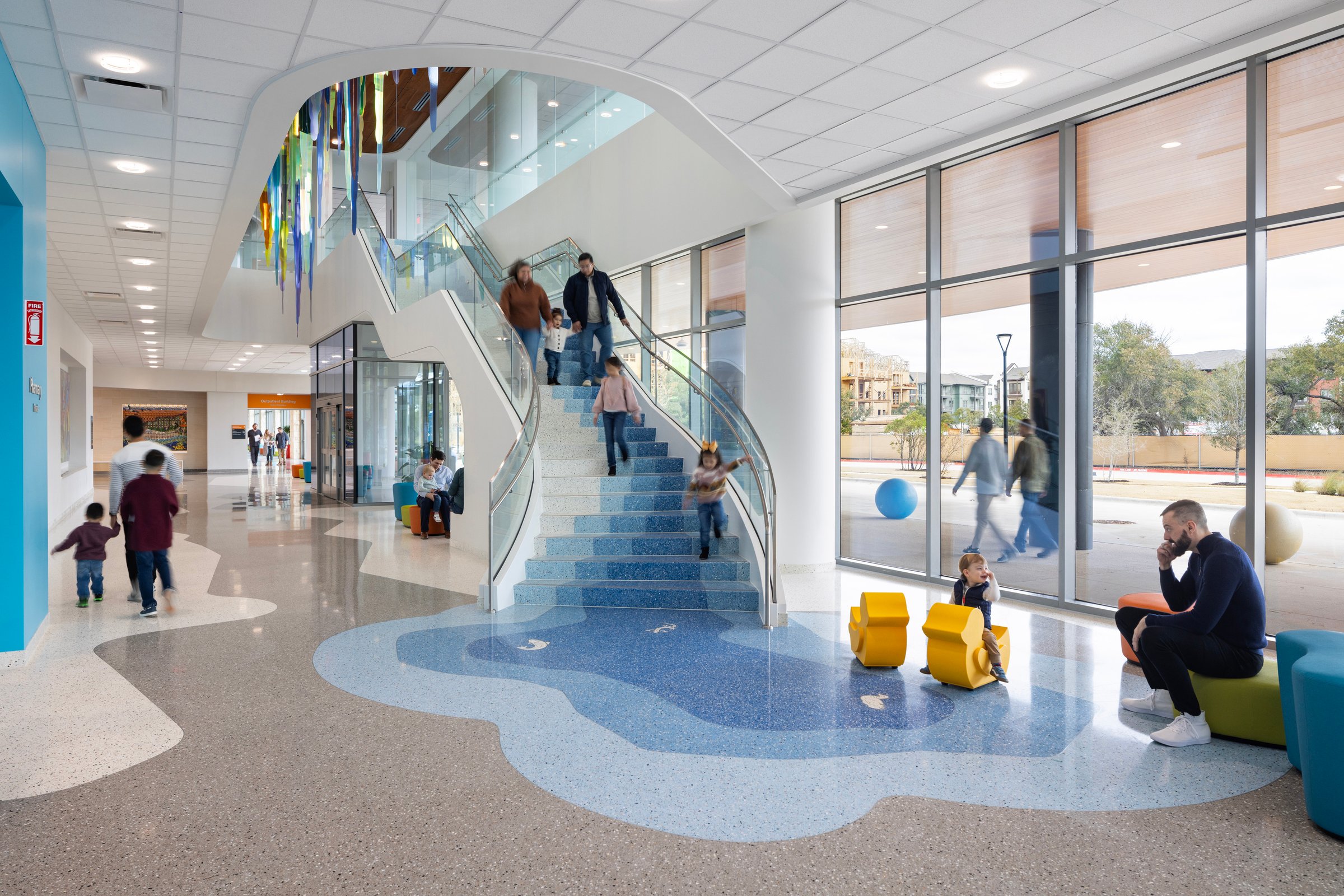
Multi-floor artwork and sculptures celebrate the region's natural beauty, where cavern-inspired forms meet cascading waterways, stalactites hang overhead, and fish, ducks, and playful seating turn the hospital into a visual adventure for children at Texas Children's Hospital North Austin Campus. Photo by Albert Vecerka/Esto
This investment in people generated a multiplier effect. The team culture, rooted in psychological safety, shared ownership, and mutual respect, led to exceptional project performance. “Performance is not just about how much you do or how fast you do it, but how the team members who work on it feel about it,” de Monterrosa says.
The internal trust established was extended outward by inviting clients to participate in online meetings, where they shared their personalities, hobbies, and family backgrounds to foster a sense of camaraderie during uncertain times. As the project progressed after the initial lockdown orders were lifted, client confidence increased as the team consistently delivered clear, actionable decision points that kept the project on schedule despite the faster timeline. “We would never present a decision to the client without giving them everything they need—cost, performance, availability—to make it right then,” de Monterrosa explains. This disciplined, Lean-aligned approach expedited timelines, minimized unforeseen issues, aligned all stakeholders, and fostered a cohesive, high-performing team.
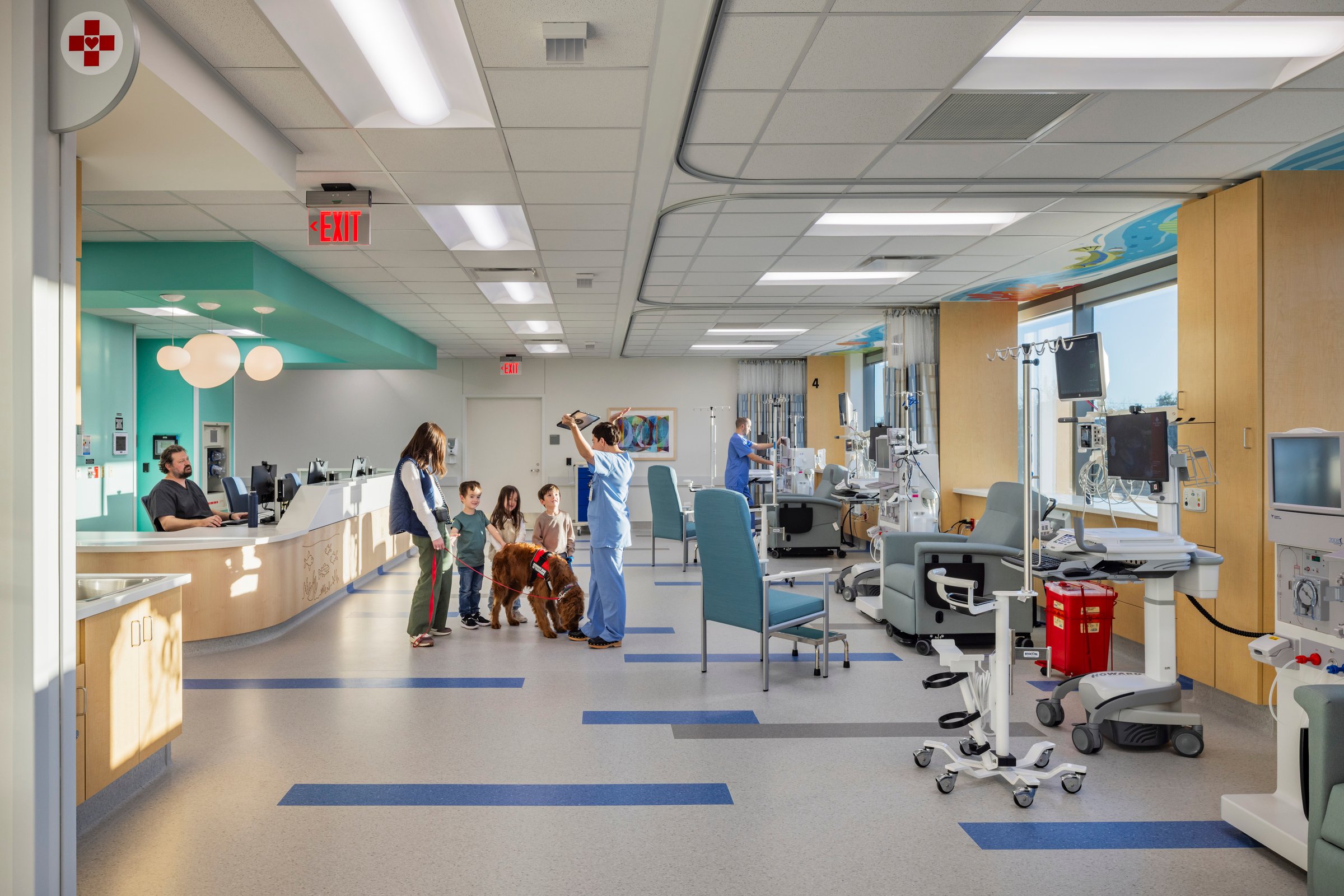
Bright and open care spaces embody a design philosophy grounded in compassion and person-centered care. Photo by Albert Vecerka/Esto
The high-trust environment wasn’t accidental. From the beginning, the team focused on understanding each other’s communication styles and strengths. A manager who understands that his or her people are different puts people in the position for development and success.1 The team leadership used personality and strength assessments and even organized team-building activities like creating song playlists for team members to share. “We created a catalog of everyone’s top strengths so we could better understand how to communicate and collaborate,” she said.
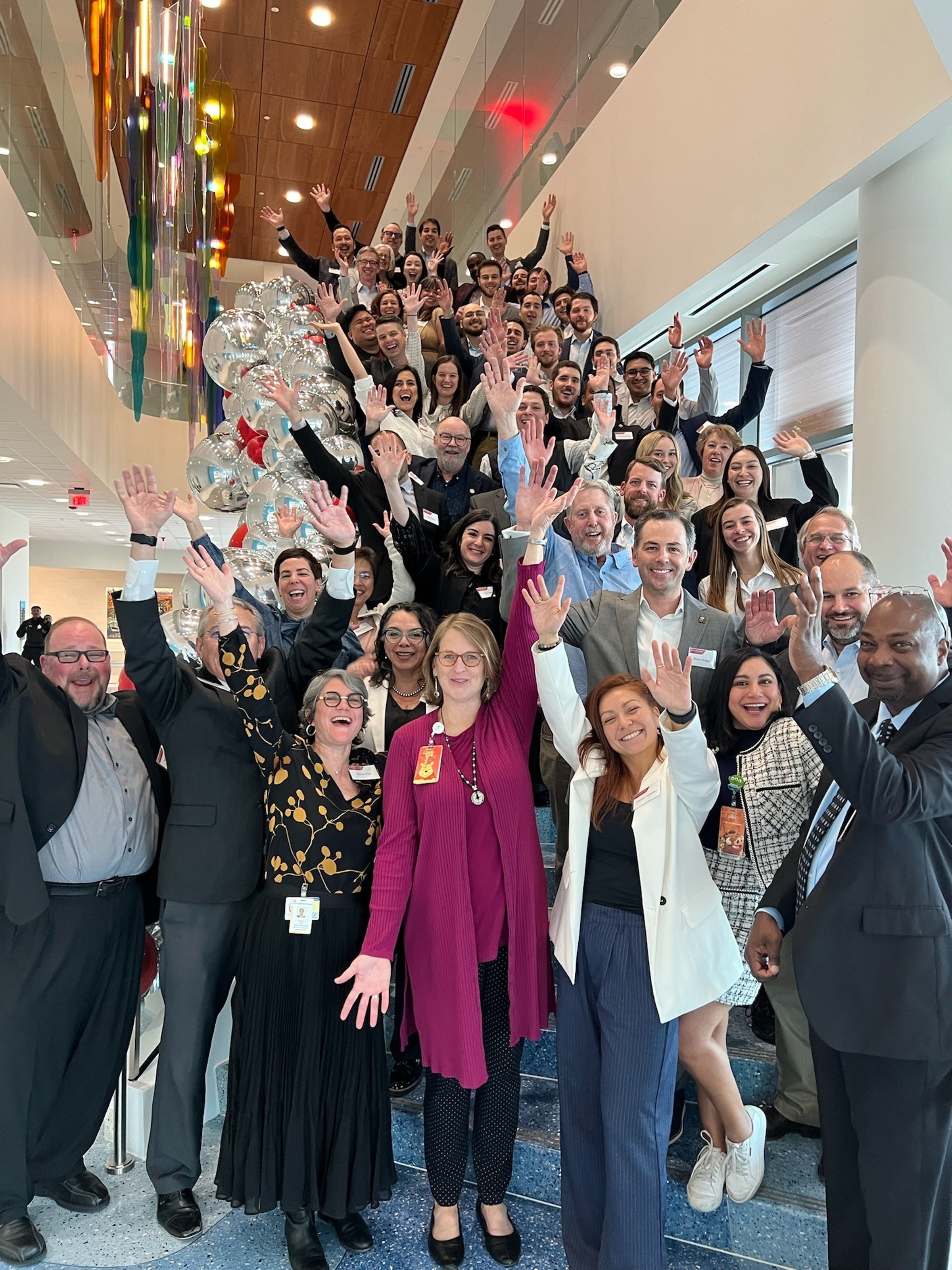
From concept to ribbon cutting, the Texas Children’s Hospital and AEC teams delivered a high-performing hospital by investing in people and partnership. Photo/Page
The outcome in Austin was more than just a completed building; it served as a repeatable success framework. This people-first approach fostered high-performing results, not through added pressure, but by empowering individuals. The project's completion did not mark the end of this team's performance efforts. After finishing the hospital, the team applied their knowledge and experience to other projects. These lessons, habits, and frameworks have become ingrained in the team’s collective muscle memory. As team members took on new projects, they carried with them the discipline of pull planning, the rhythm of structured decision-making, and the expectation of psychological safety. De Monterrosa compared it to onboarding new passengers onto a moving bus: when the process is clear and the culture strong, momentum doesn’t slow down; it speeds up. This intentional cross-pollination has helped spread a high-performance culture across the organization, turning individual project success into an enterprise-wide advantage.
“I do not expect everyone to know everything. I’d rather someone ask now than make a mistake later. That is where you slow down for the teachable moments that team members appreciate, even when the project is moving at a fast pace,” de Monterrosa shares. This humility, combined with structure and mentorship, is transforming how people function within a system that invests in individuals, not just objectives. With this investment, the dividends of return yield not only a finished product but also personal growth and lasting impact.
Hear how Margarita turns mentorship, inclusion, and emotional intelligence into a chain reaction of growth that elevates entire teams.
References:
1.
Deming, W. E. (1994). The new economics for industry, government, education (3rd ed.). The MIT Press.
Contributors

Margarita is a licensed architect and interior designer with 28 years of experience across healthcare, academic, and cultural projects. As lead architect, she leads complex pediatric and outpatient efforts from concept through construction, known for her integrated design approach and Lean delivery mindset. She guides diverse teams, streamlines coordination, and delivers high-performance spaces that support people and purpose. She is also active in mentorship and professional leadership across the AEC community.
More

by Alireza Sedghikhanshir and Raffaella Montelli
by Vanessa Lampe Heimbuch and Portia Ellis as interviewed by Mary Loftus

Talk with us
Complex challenges need fresh perspectives and deep expertise. Connect with our team to explore how we can help you create spaces that make a real difference.