






Feature
July 31, 2025
Making performance a starting point
by Jennifer Wegner

Listen to this story
AI powered reader
/
Commercial real estate (CRE) markets are currently navigating a perfect storm of rising operating costs, heightened economic uncertainty, and shifting end-user demands. The new landscape results in performance not just being a goal but also an imperative for survival.
The Financial Stability Board reports that vulnerabilities have emerged in the $12 trillion CRE market, mostly due to soaring construction expenses, latent debt imbalances, and pressure from climate regulations.1 Similarly, a survey of CRE finance professionals highlights how sentiment has decreased by over 30 percent in the first quarter of this year, as stakeholders brace for worsening economic conditions, supply shifts, material cost spikes, and sustained weakness in certain asset classes.2
These pressures underscore a fundamental truth: buildings that simply meet minimum standards no longer cut it in today’s marketplace. The need for performance-based design – long established in sectors like aerospace and top-of-the-line automobiles – has never been more urgent in CRE. Over the recent decades, we have seen a growing demand for lifecycle performance optimization that goes beyond simply delivery metrics and improves long-term value by addressing use and operation-phase outcomes.3
The word performance carries layers of meaning. It’s a term that flexes to fit the perspective of whoever’s holding the pen, whether it’s the investor, the developer, the city planner, the building operator, or the engineer. Recognizing that performance isn’t just an advantage, it’s the baseline for survival for everyone within commercial real estate. Only by prioritizing and exceeding performance can places thrive in a competitive landscape. Each player in the real estate ecosystem plays a key role in creating places that excel across every measure, ensuring collective success and sustainable growth.
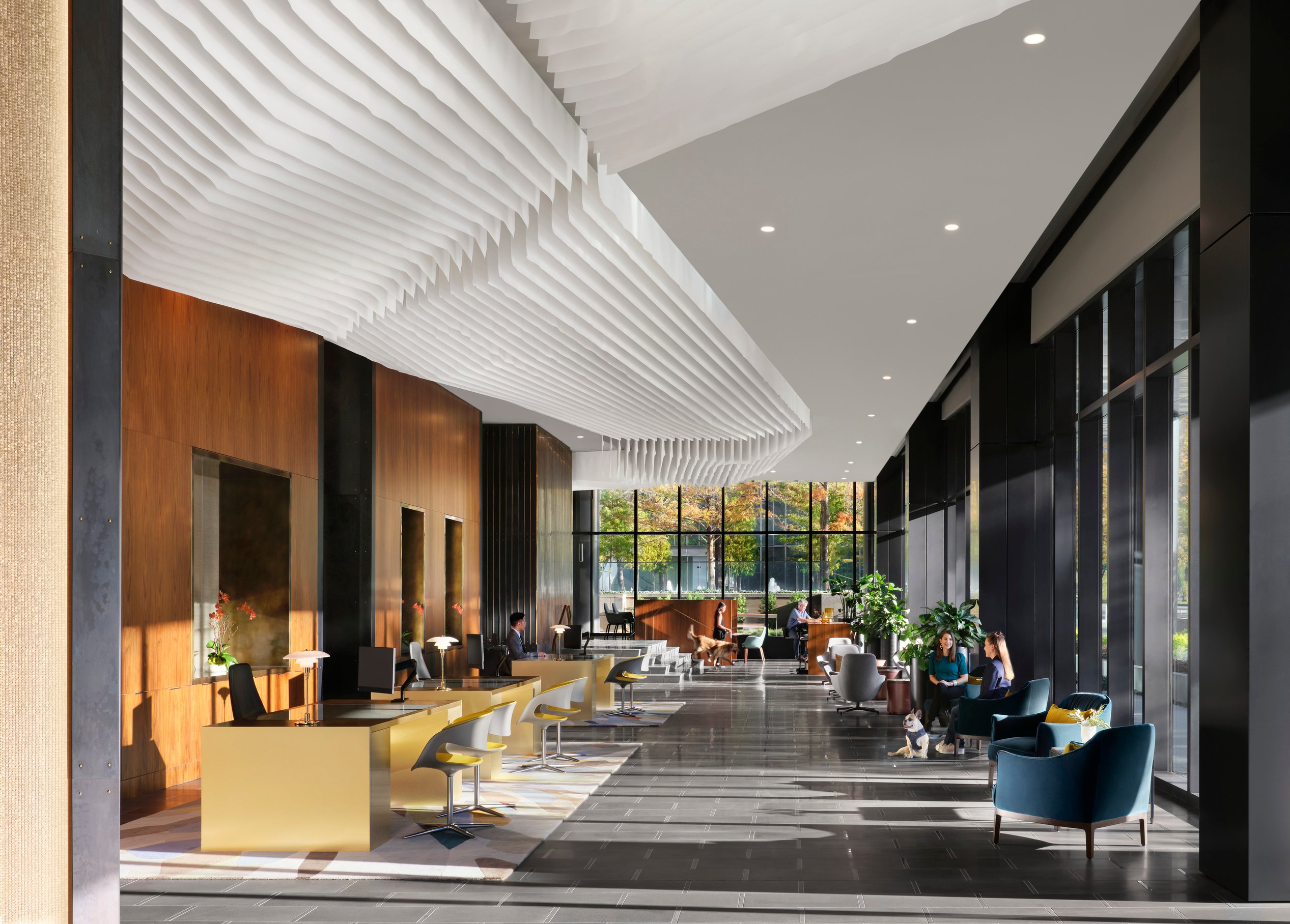
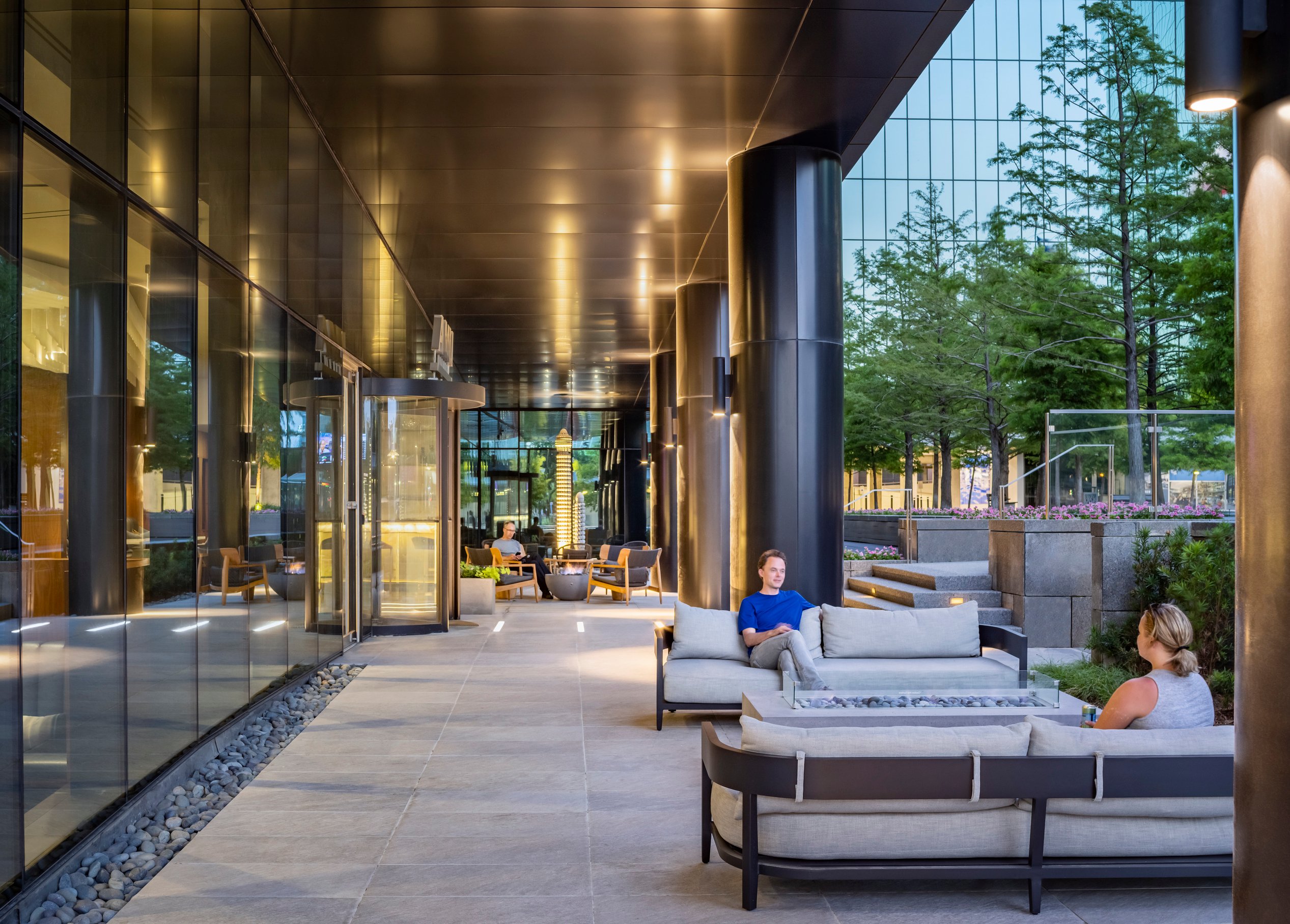
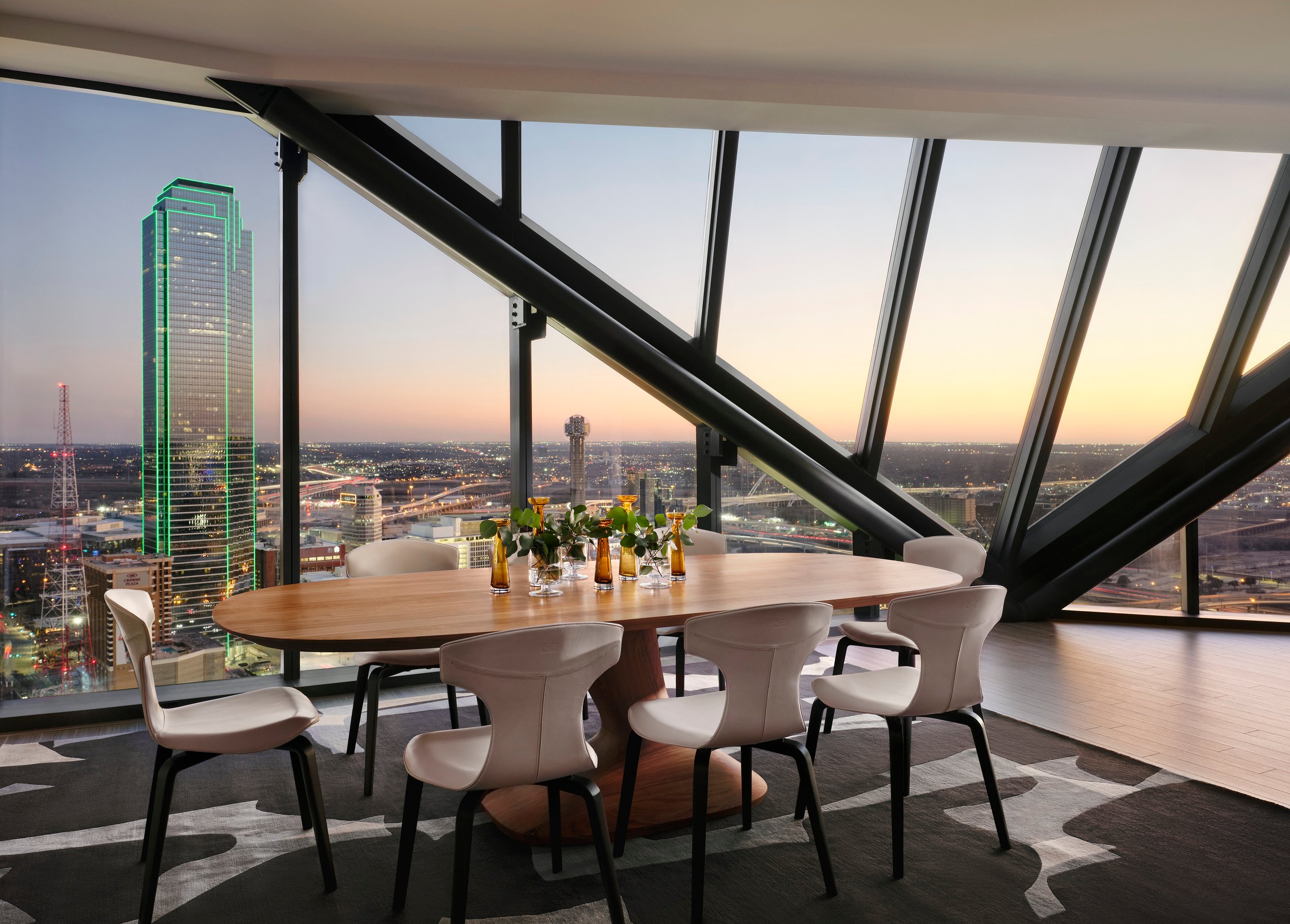
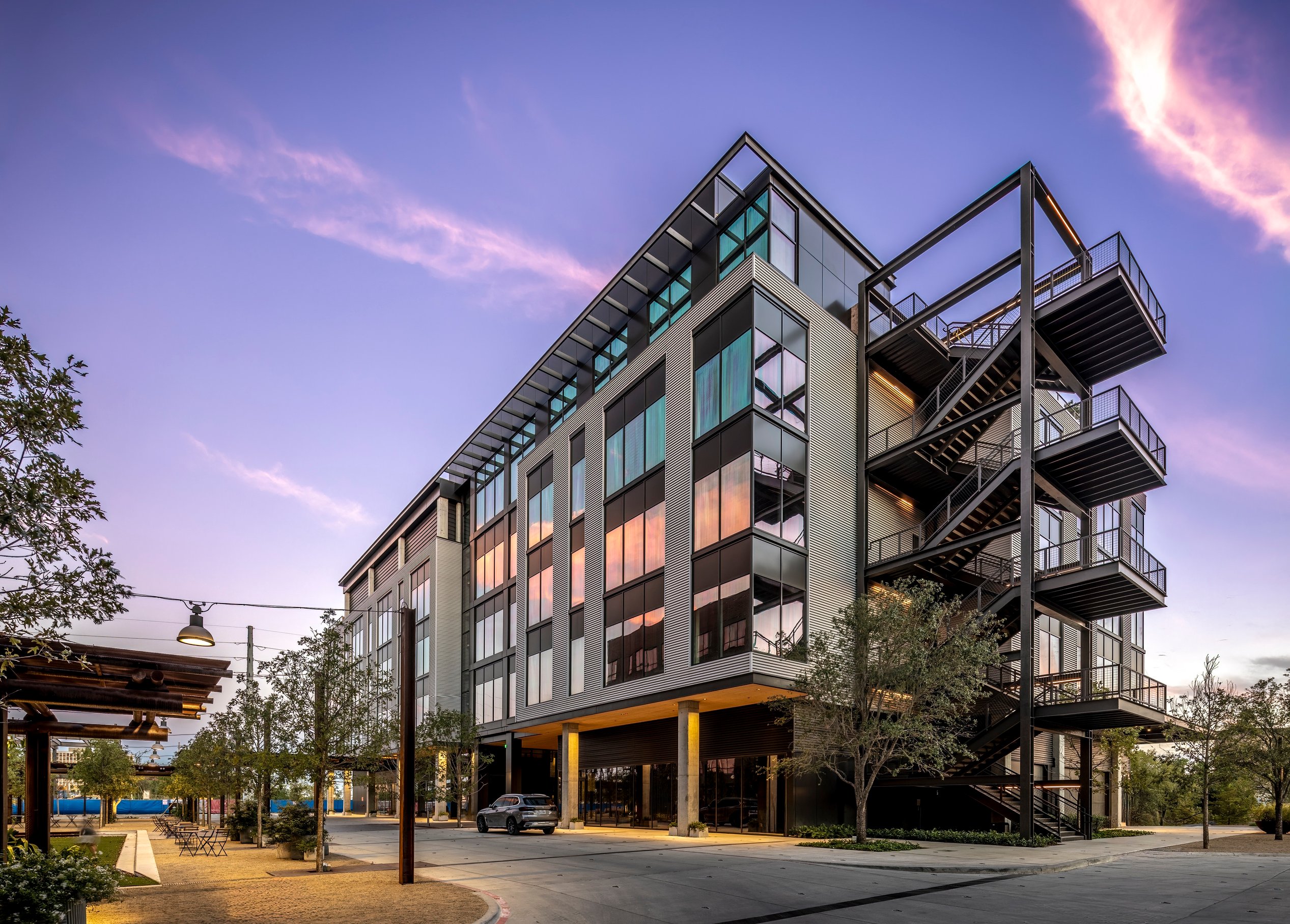
Fountain Place Residences, Dallas, Texas
An iconic residential tower addition to the original Fountain Place was designed to harmonize luxury living with downtown vibrancy, attract residents, and support operational success. Photos by Albert Vecerka/Esto, Lisa Petrole.
/
For investors, performance means market resilience
Capital & CRE Investors
As the capital providers for projects, real estate investors see performance in terms of risk-adjusted returns, long-term asset appreciation, and portfolio diversification. For this group of stakeholders, performance is quantified through internal rates of return (IRR) and cap rates. If a building is multiuse, market resilient, and capable of commanding steady rents over time, then it performs.
Likewise, lenders and financial institutions view performance through the lens of underwriting reliability and debt service coverage ratios. These stakeholders define performance as a stabilized, cash-flowing asset with established criteria that mitigate risk.4
Developers & Owners
Taking on the most significant risks with a project, developers define performance by market viability, internal rate of return, and net present value. Balancing architectural innovation with constructability, investor expectations, and municipal approvals, high-performing developments are those that meet the pro forma while delivering on placemaking and differentiation.5
Property owners and operators see performance as a function of operational efficiency, tenant satisfaction levels, and retention. All of these performance metrics keep occupiers renewing their leases and expenditures low.6
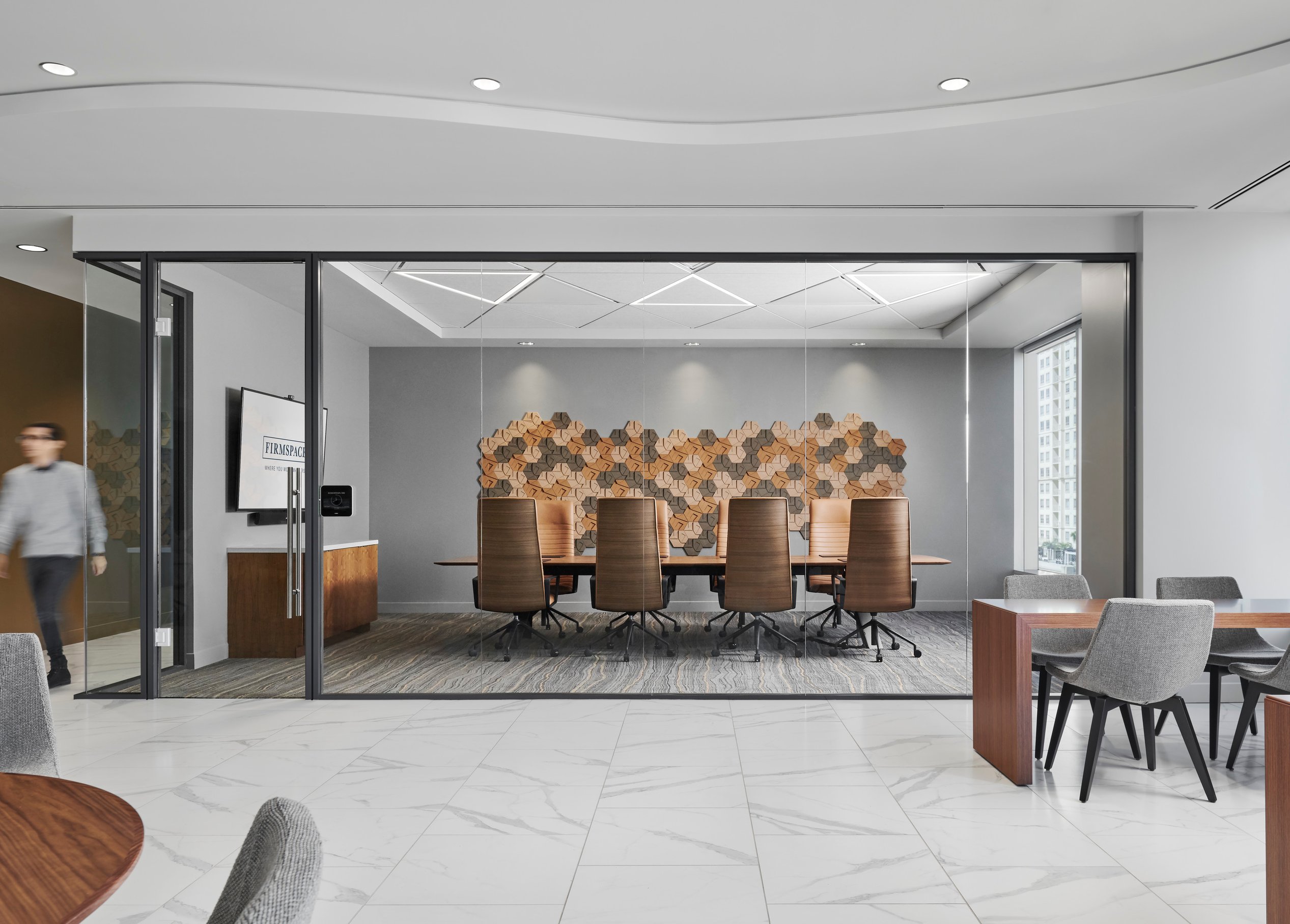
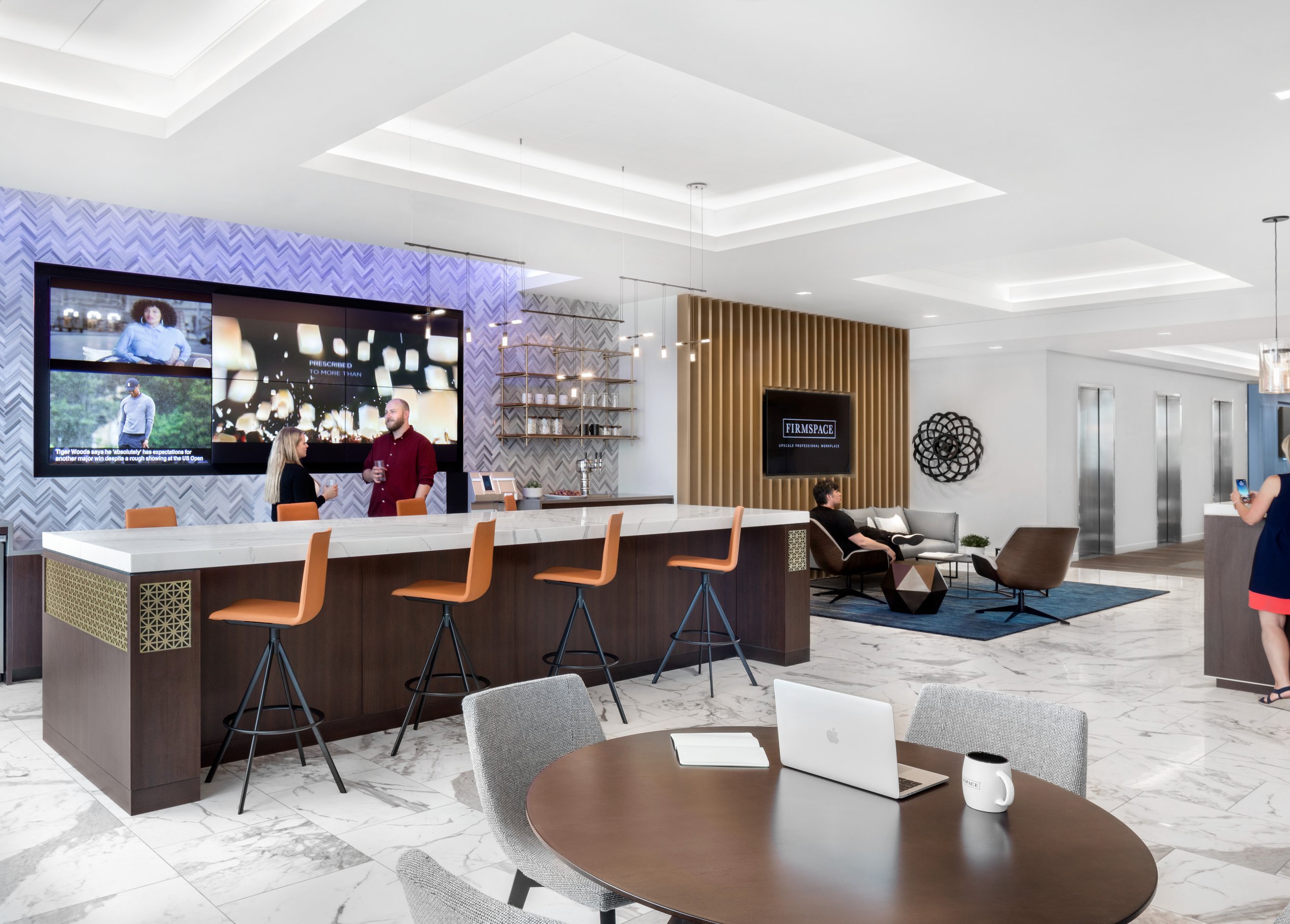
Firmspace (Atlanta, Chicago, Denver, and Houston)
A network of premium co-working spaces was built to achieve privacy, wellness, and design excellence to help end-users perform better in the workplace. Photos by Andrea Calo, Peter Molick, Raul J. Garcia/Astula.
/
For end users, performance means design that delivers
End-Users & Placemakers
Corporate tenants and occupiers experience performance through their company’s people. A high-performing workplace improves productivity, employee satisfaction, and talent retention.7 The space’s design helps determine its flexibility, employee health and wellness, and whether the workplace environment is innovative and creative.8
In a similar manner, urban planners and transit consultants measure performance at the scale of their city. Masterplan communities, infrastructure investments, and buildings perform when they support mobility, accessibility,9 and economic development.10
Brokers & Asset Managers
Brokers and leasing agents define performance by marketability. If a space commands attention and closes quickly, it performs. Differentiators like building amenities, design quality, and neighborhood scores all influence leasing.11
Asset managers track performance through such factors as net operating income (NOI) and capital expenditures. Since they oversee leasing strategy, repositioning, and long-term capital planning, for them, a performing property asset is one that gains value while minimizing marketplace volatility.12
Service Providers
Architects, engineers, and contractors activate performance through integrated delivery, system coordination, and maximizing long-term use. By translating a client’s goals into functional, flexible, and future-proof projects, the spaces they create yield higher value for stakeholders.13
Similarly, insurance providers, environmental consultants, and other specialists assess performance in terms of risk reduction, resilience, and compliance, seeking to help protect real estate assets from physical, reputational, and regulatory threats.14
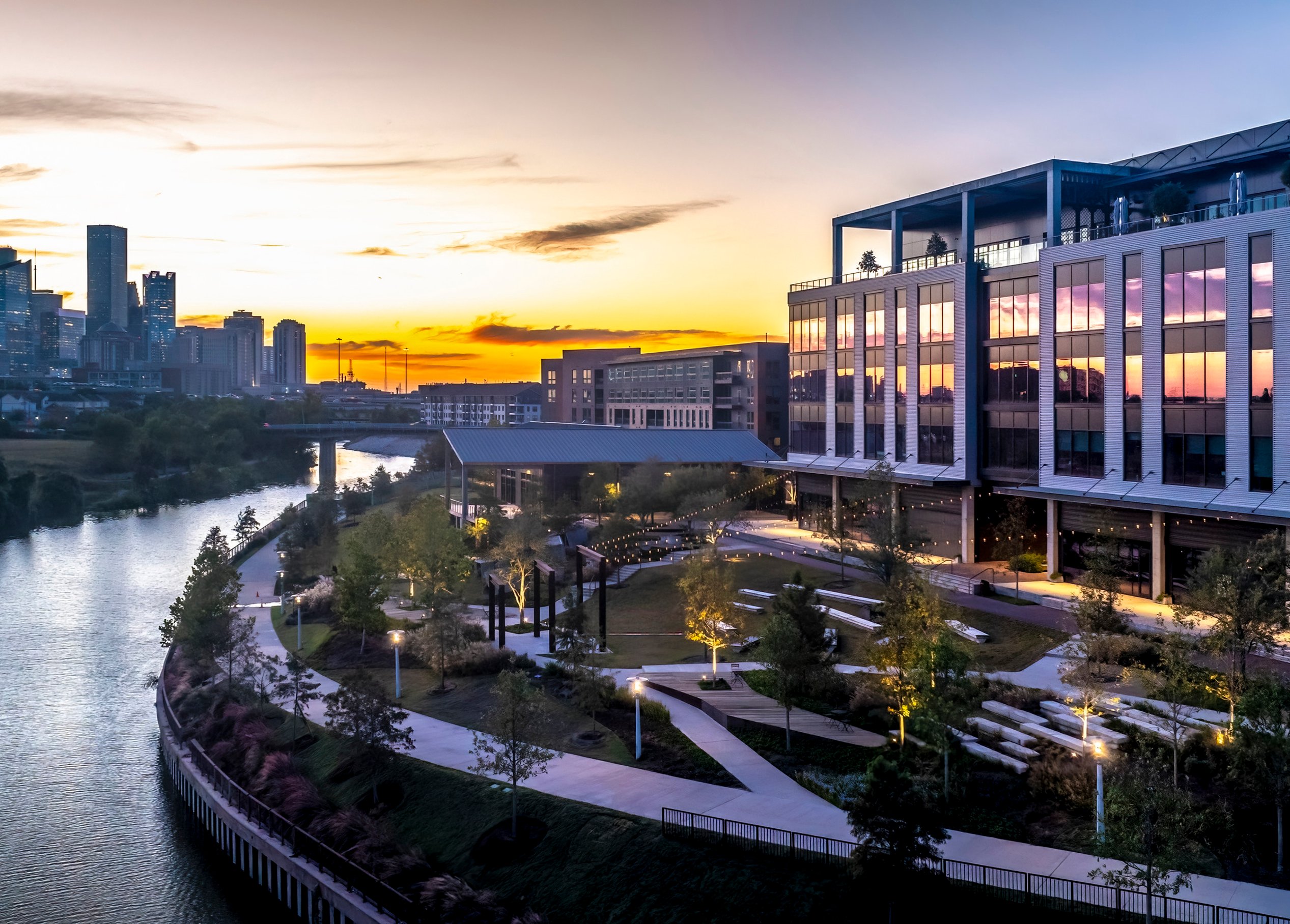
Midway East River, Houston, Texas
A transformational mixed-use district that blends office, residential, retail, and open green space demonstrates how integrated planning and placemaking can improve long-term asset performance and community value. Photo/ShauLin Hon.
/
Performance as the foundation
Regardless of the differences in performance goals among those with a stake in real estate development, one universal truth is that the more a property is used by people, the more valuable it becomes to nearly every stakeholder in the real estate ecosystem.
But even with this understanding, the performance goal can’t be treated as a one-size-fits-all metric since it looks different for everyone involved.
Real estate projects succeed most and meet their stakeholder expectations when performance is treated as a collective ambition, not a fragmented metric.15 Going from a build-it-to-code-lease-it, and hope-it-performs framework to a paradigm that collectively defines performance in the process and then designs to meet those targets can lead to better project delivery.16
While traditionally associated with larger institutional and infrastructure projects, there is growing momentum for an integrated, cross-disciplinary collaboration early in the development process that leads to commercial buildings that better reflect the needs of those who use them.17
As new technological, economic, and environmental realities make the CRE sector more complex than ever, it can no longer rely on older models that prioritize delivery over performance. Aligning early on what performance means can no longer be an afterthought; instead, it should be the foundation for delivering value and impact for developers, tenants, and even entire cities in today’s marketplace.
References:
1.
Arnold, M. (June 19, 2025). Regulators warn of hidden vulnerabilities in $12tn commercial property market. Financial Times.
2.
Tracy, M. (April 24, 2025). CRE market sentiment dropped by most in Q1 since pandemic, survey finds. Reuters.
3.
Leiringer, R., Green, SD., & Raja, JZ. Living up to the value agenda: the empirical realities of through‐life value creation in construction. Construction Management and Economics. 2009;27(3): 271-285.
4.
Geltner, D., Miller, NG., Clayton, J., & Eichholtz, P. (2014). Commercial real estate analysis and investments (3rd ed.). South-Western Educational Pub.
5.
Smith, JJ., et al. (September 14, 2022). 2023 commercial real estate outlook. Deloitte.
6.
Miles, M., Netherton, L., & Schmitz, A. (2015). Real estate development: principles and process (5th ed.). Urban Land Institute.
7.
Haynes, B. P. An evaluation of the impact of the office environment on productivity. Facilities. 2008;26(5/6): 178–195.
8.
McCoy, J. M., & Evans, G. W. The potential role of the physical environment in fostering creativity. Creativity Research Journal. 2002;14(3-4): 409–426.
9.
Smart Growth America. (2022). Foot traffic ahead: ranking walkable urbanism in America's largest metros.
10.
Urban Land Institute. (2015). Building healthy places toolkit: Strategies for enhancing health in the built environment.
11.
CBRE. (March 27, 2024). 2024 global investor intentions survey.
12.
Ball, M., Lizieri, C., & MacGregor, BD. (2002). The economics of commercial property markets. Routledge.
13.
El Asmar, M., Hanna, AS., & Loh, WY. (2013). Quantifying performance for the integrated project delivery system as compared to established delivery systems. Journal of Construction Engineering and Management. 2013;139(11).
14.
Fertitta, E. (September 18, 2023). Heitman & Urban Land Institute. (2023). Climate risk and real estate: emerging approaches for disclosure, data, and risk assessment.
15.
Pesa, L., Coy, T., Bhargava, P., Burns, R. & Smith, J. (July 31, 2024). Building an integrated approach to real estate sustainability. Deloitte Insights.
16.
Adolphus, E. & Keller, J. (May 25, 2025). ENR top project delivery firms: firms say early collaboration makes gains. Engineering News-Record.
17.
Cushman & Wakefield. (March 18, 2024). Portfolio optimization: aligning CRE with business strategy.
More

by Jennifer Wegner

by Ginny Chilton and Ryan Losch

Talk with us
Complex challenges need fresh perspectives and deep expertise. Connect with our team to explore how we can help you create spaces that make a real difference.