by Robert McClure, Alison Ledwith, and Mo Elsayed
by Page, now Stantec Staff
Mass timber is a materials and design approach that holds immense potential to transform the future of the commercial building industry and the environment. The term pertains to the utilization of advanced techniques to combine wood products in diverse layered configurations to produce durable and versatile structures. This may be accomplished through various methods such as gluing, nailing, or doweling.
Mass timber serves as a low-carbon alternative to steel and concrete, with cross-laminated timber (CLT) and glulam being popular examples of contemporary mass timber products. According to one study, mass timber achieved a 19% reduction in carbon emissions compared to the functional equivalent steel structure.1
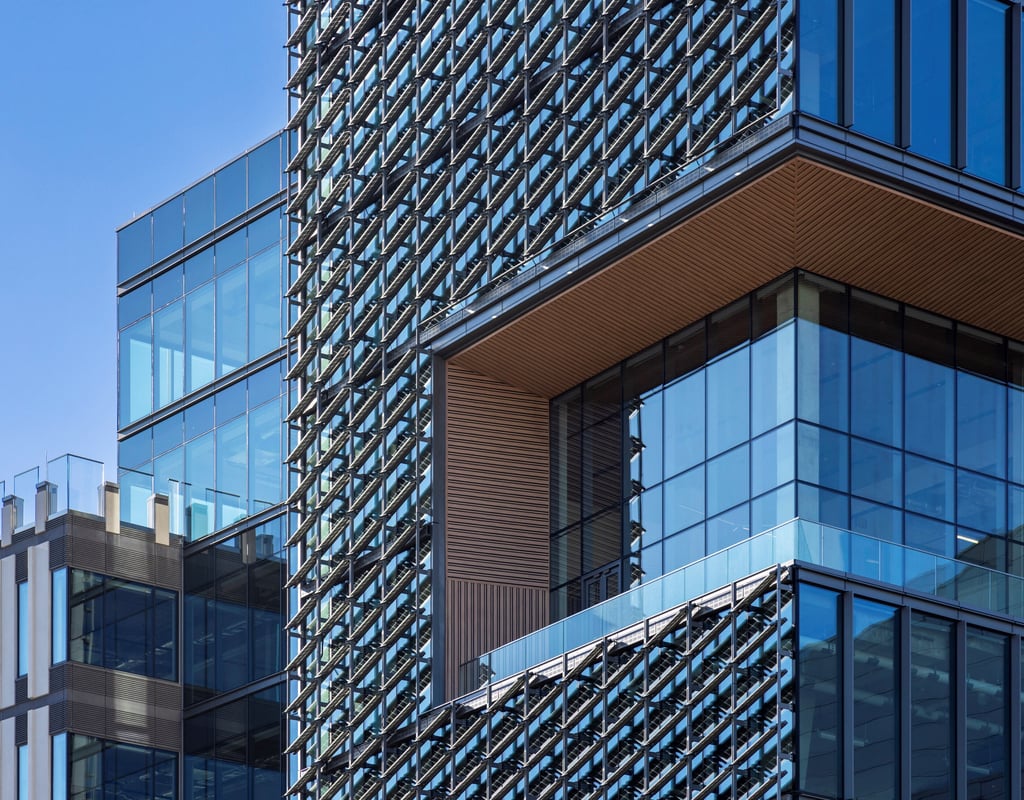
As a proponent of innovative design practices, Page, now Stantec, is implementing mass timber for 100 Rock Row, an eight-story office building in Westbrook, Maine, and Sixth & Blanco, a five-story mixed-use development in Austin’s Clarksville neighborhood. 100 Rock Row is Maine’s first mass timber structure, striving to improve the wellness and productivity of its tenants by delivering 30% fewer carbon dioxide emissions. At Sixth & Blanco, Page serves as executive architect alongside Swiss firm Herzog & de Meuron. Mass timber will minimize the development’s carbon footprint and enhance its long-term strength and sustainability.

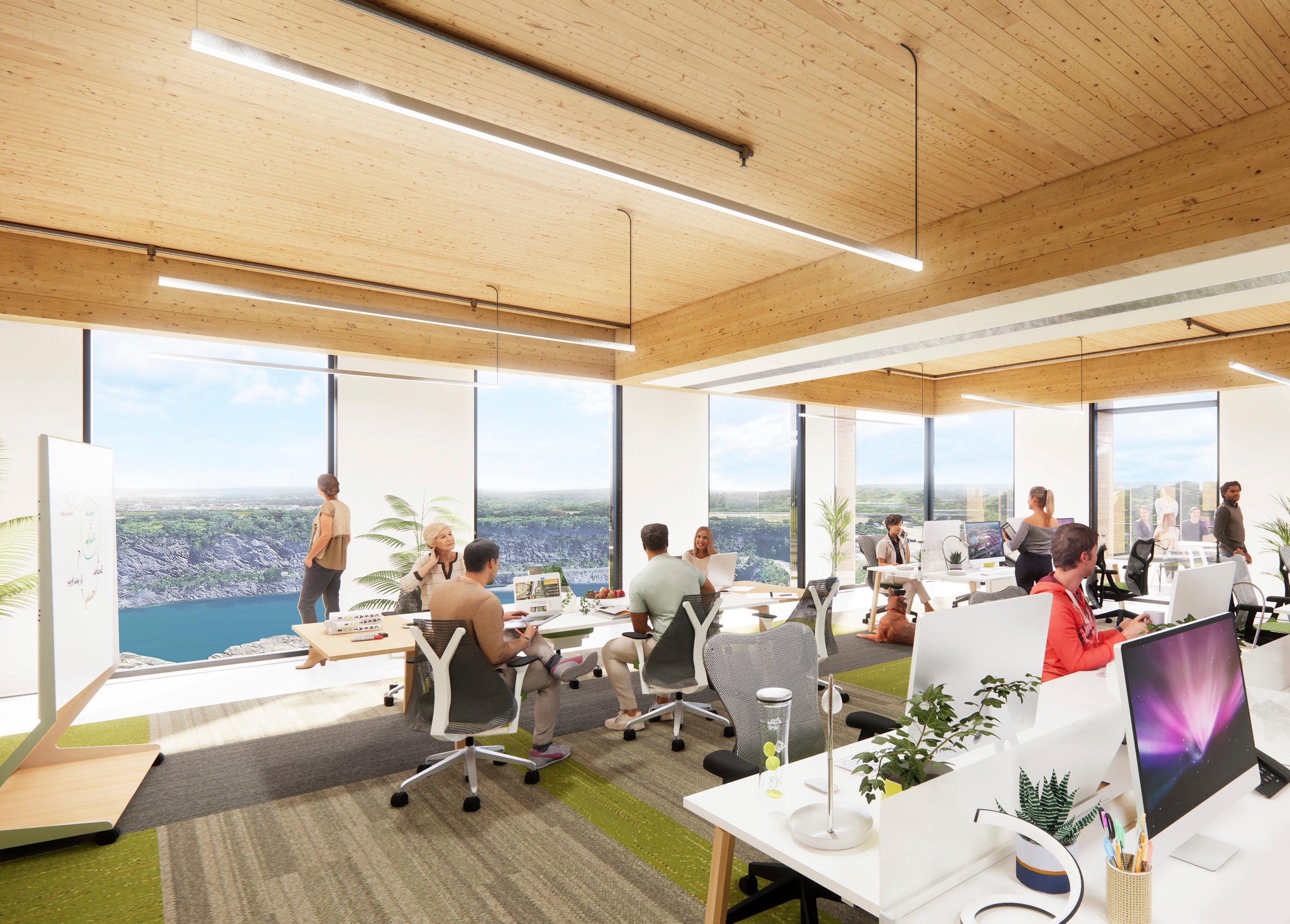
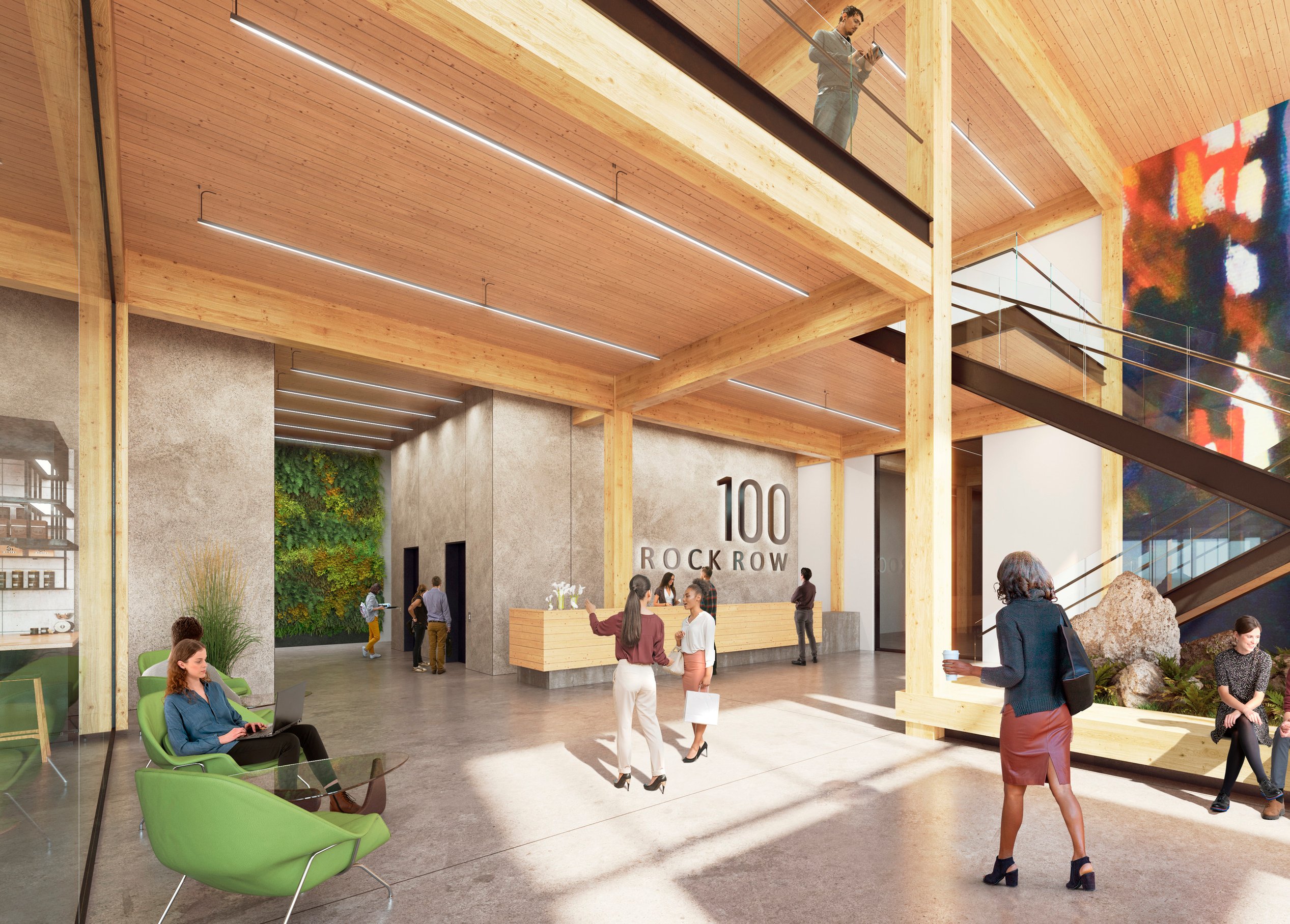
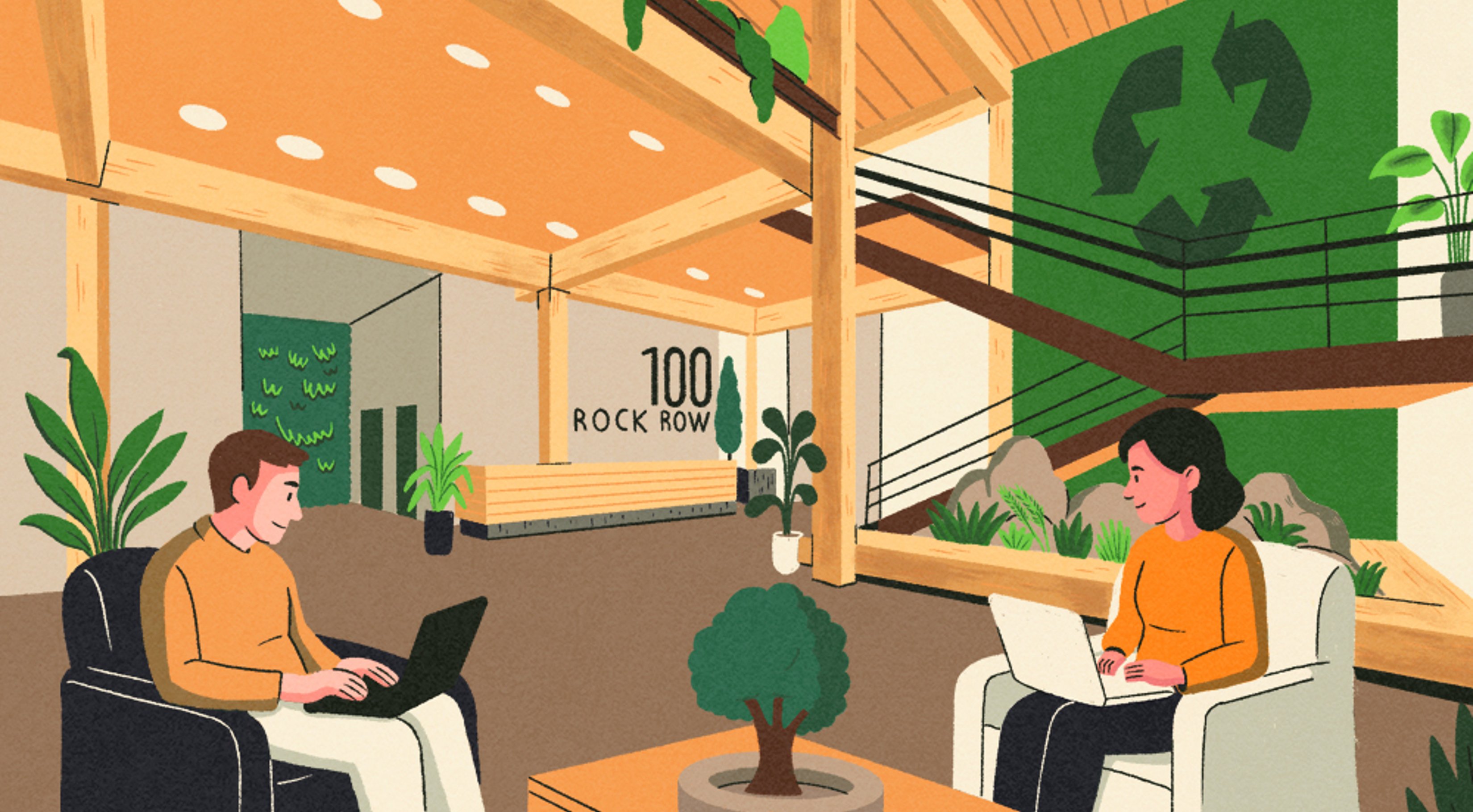
Paying tribute to Maine's timber heritage, 100 Rock Row is the state's first CLT (cross-laminated timber) office building. It combines renewable materials, daylight, and biophilic design to reduce carbon, improve wellness, and boost productivity.
/
Mass timber is gaining recognition as a sustainable and versatile construction material. Its unique fire-resistant properties, seismic resilience, and benefits for construction efficiency and human well-being make it an innovative choice for modern building projects. This overview highlights the key advantages of mass timber, emphasizing its potential to transform the future of architecture and environmental stewardship.
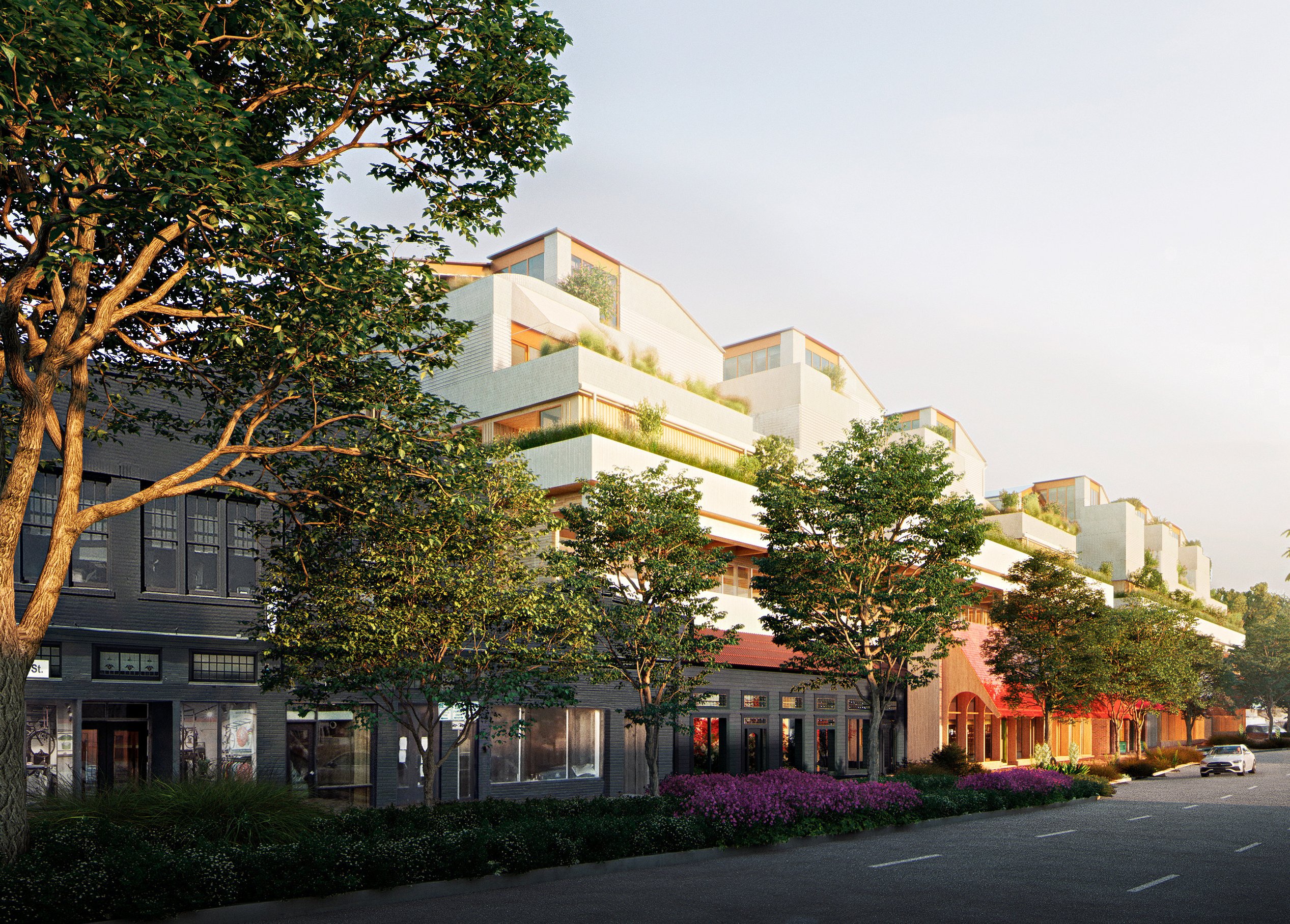
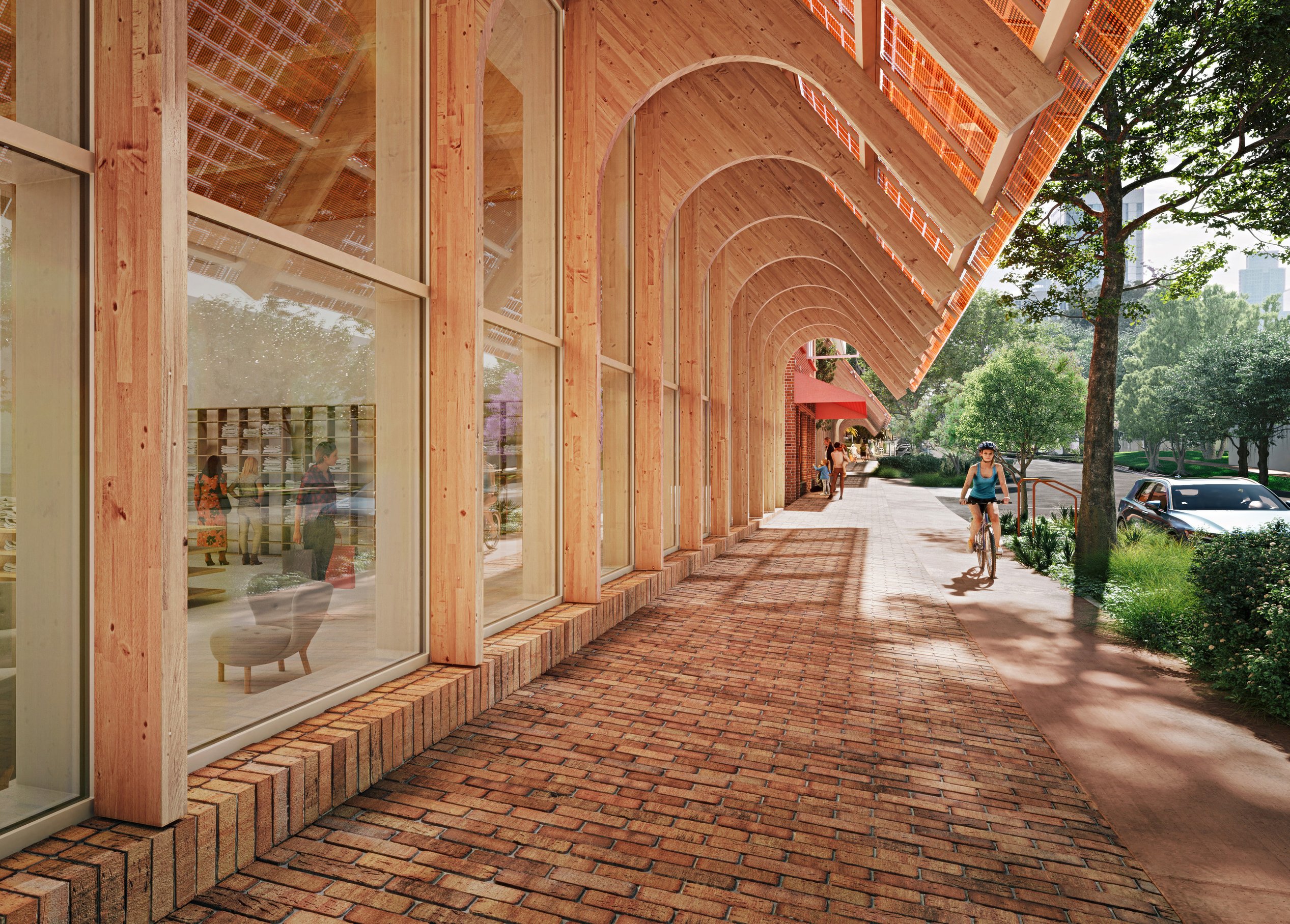
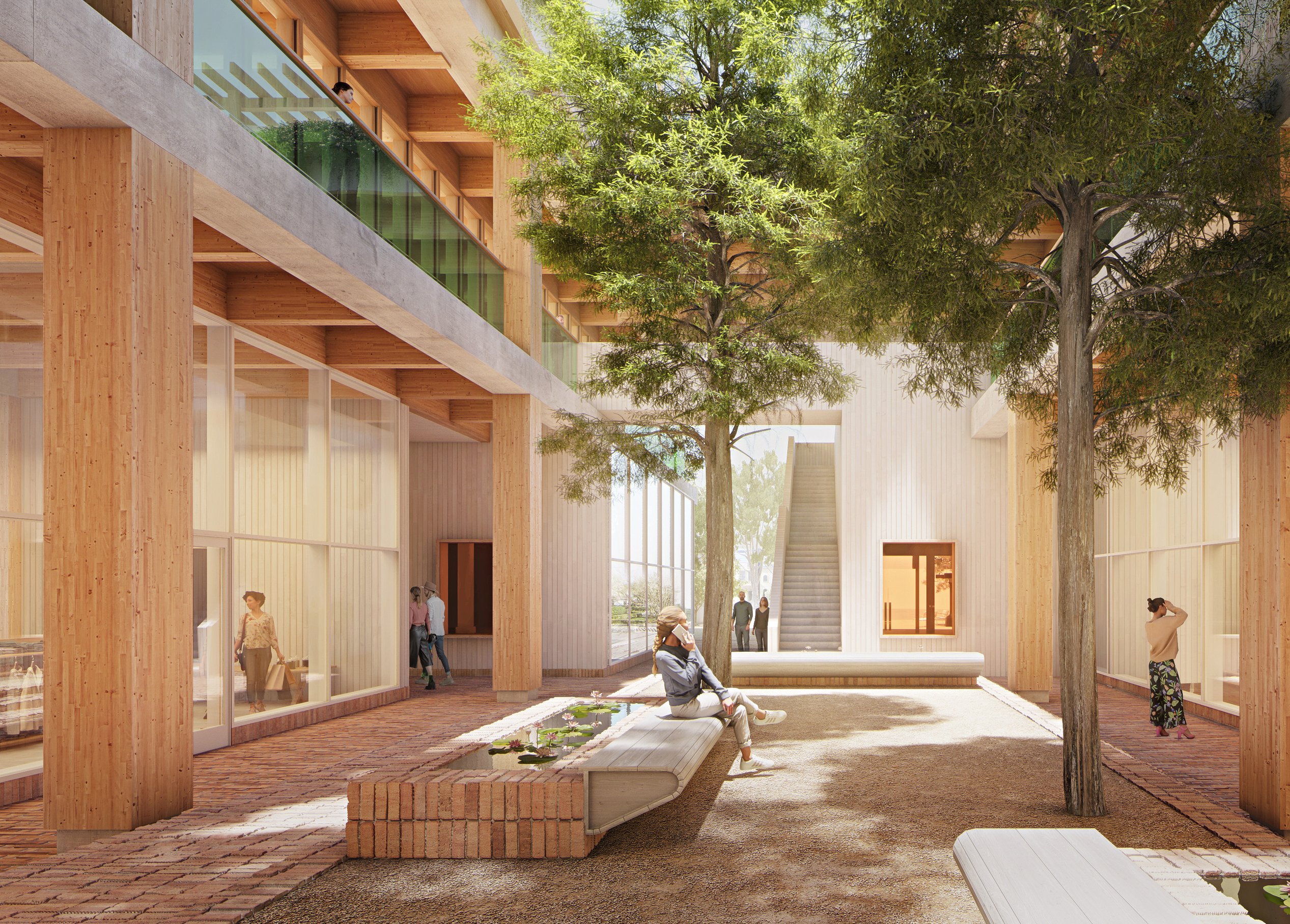
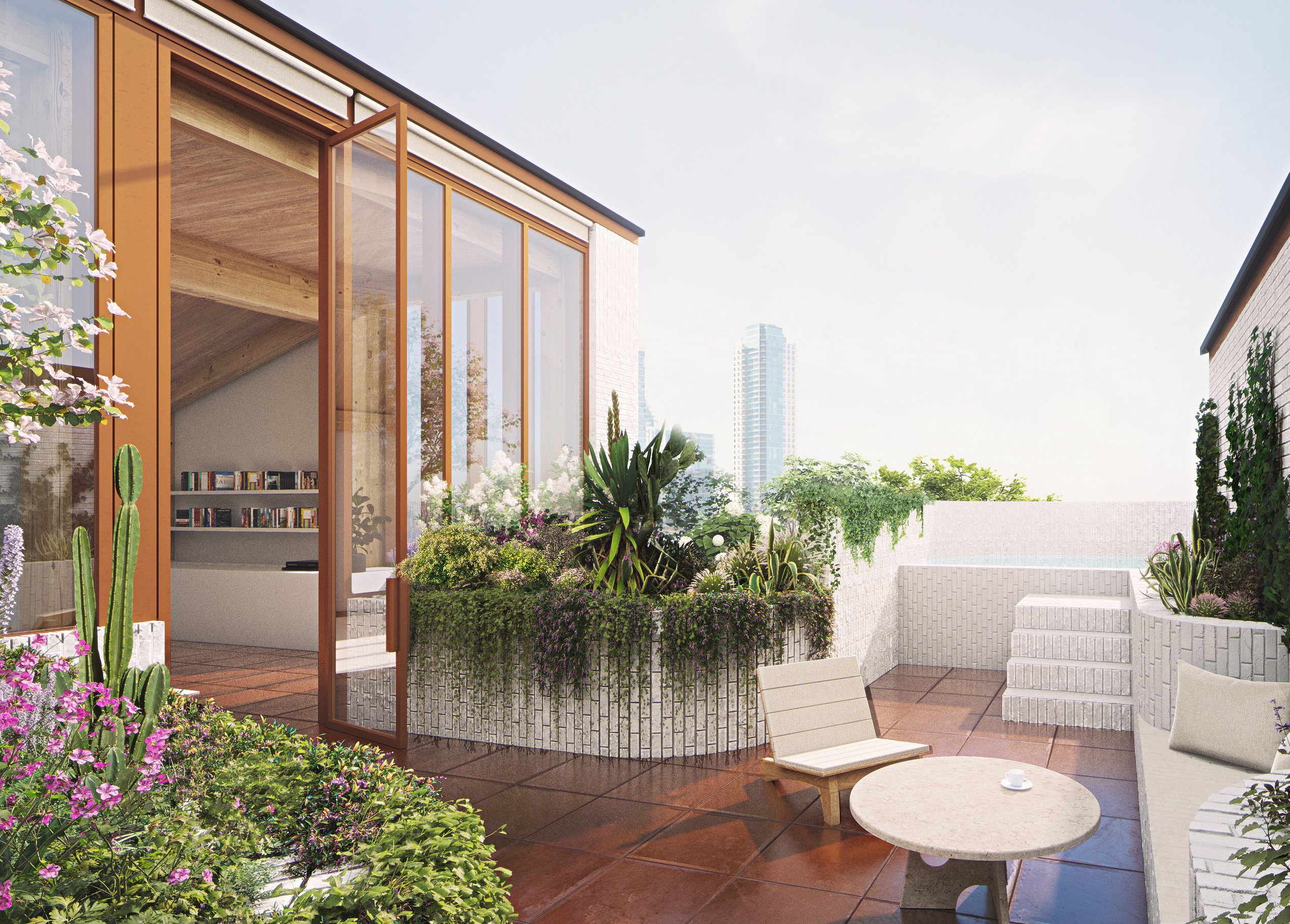
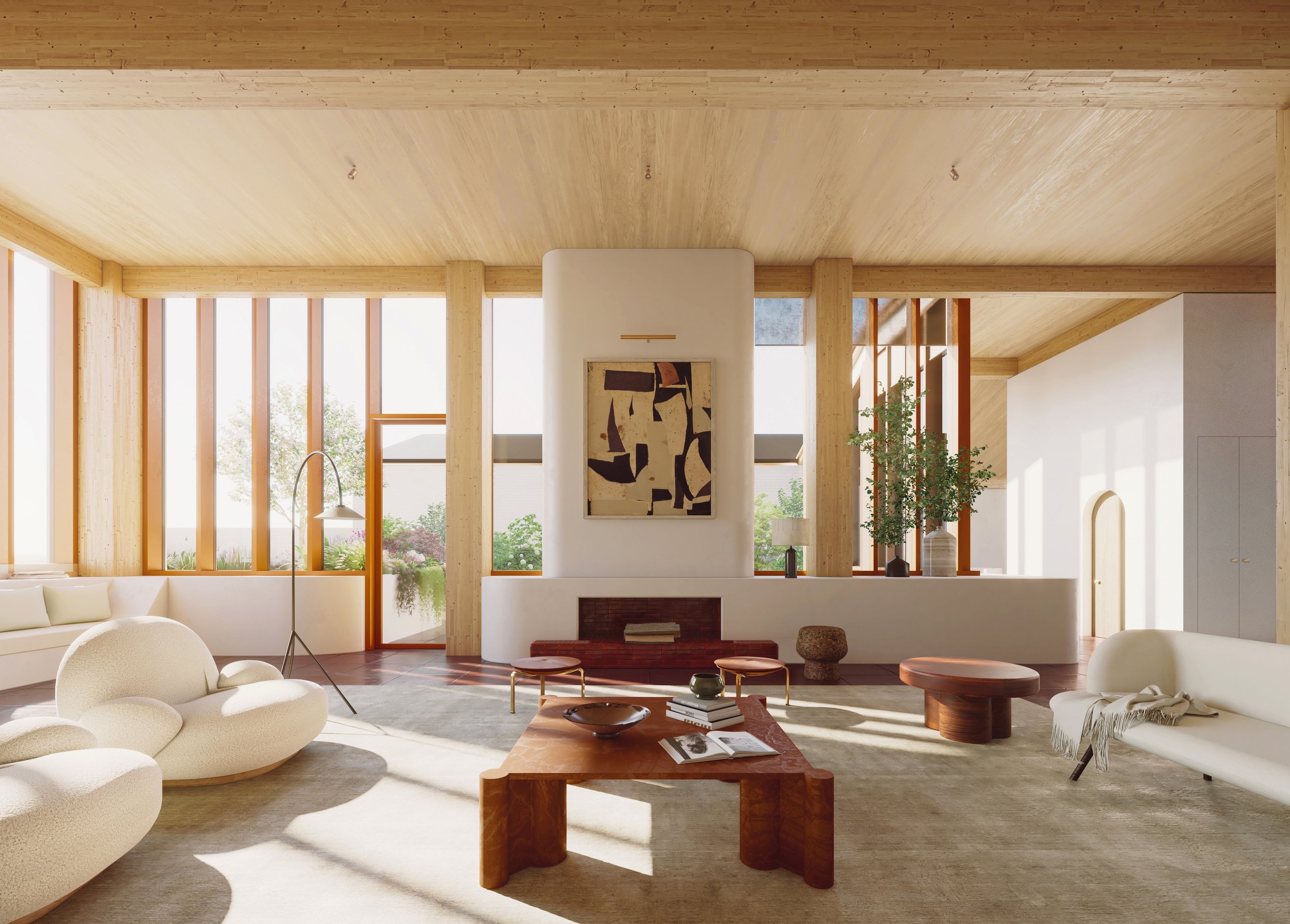
Sixth & Blanco, located in Austin's historic Clarksville neighborhood, redefines urban hospitality with its use of mass timber, blending heritage, connection, and modern functionality in a seamless indoor-outdoor space.
/
Fire and seismic safety
Contrary to popular belief, wood exhibits distinctive fire-resistant properties when properly engineered and detailed appropriately. This resilience is further supported by the development of a protective char layer,2 which depends on the timber’s exposure (whether one-sided or three-sided). This char insulates the interior of the wood from fire and thereby diminishes the rate of combustion.
By leveraging its fire-resistant nature, mass timber can be safely employed in taller structures. The International Building Construction Code recognizes the proven safety of mass timber and permits these structural types up to 18 stories.3 They undergo fire tests to determine the structural capacity lost per hour.
Fire safety is not the sole benefit of mass timber constructions. Studies have demonstrated that they can endure earthquake simulation tests without significant damage, residual displacement, or structural failure.4 Owing to timber's lightweight, these structures reduce the risk of collapse relative to concrete buildings.
Enhanced construction capability
The prefabricated nature of mass timber components contributes to the ease and efficiency of construction, enabling quiet, fast, and clean jobsites. The controlled manufacturing environment and use of Computer Numerically Controlled (CNC) technology ensure precise fabrication, with pre-cut openings and predetermined assembly and fastening methods. This significantly reduces on-site labor and speeds construction.
Shallower excavation
In comparison to concrete, the reduced weight of timber assemblies typically diminishes foundation requirements, lessening foundation demands and facilitating opportunities for vertical expansion on existing structures.5
Biophilia and improved human health
Studies have shown that the innate human affinity for nature positively influences behavior. Access to green spaces in affordable housing complexes reduces instances of domestic violence by approximately 25% compared to those without such access.6 Natural materials, especially wood, in interior spaces have a calming effect, lowering heart and respiratory rates and activating the parasympathetic nervous system.7
Agri-business and diverse-species forests
Mass timber construction advocates consider it part of a regenerative building industry. This supports the diversity of forests, which is crucial as monocultures of tree species do not foster long-term ecosystem health.
By embracing mass timber construction, numerous benefits are unlocked beyond its capacity for carbon storage, inherent beauty, and renewability. To fully realize these advantages, designers should prioritize responsible materials management and future disassembly and reuse. Responsible mass timber construction can lead to healthier forests, soil, water, and air, while also enhancing the beauty of buildings and satisfying a desire for connection with one another and with nature.
Hemmati, M., et al. Comparison of embodied carbon footprint of a mass timber building structure with a steel equivalent. Buildings. 2024;14:1276.
Fire design for mass timber connections. (n.d.) My Timber Connectors.
Status of Building Code Allowances for Tall Mass Timber in the IBC. (September, 2025). Woodworks.
Shahnewaz, MD., et al. Seismic fragility estimates for cross-laminated timber platform building. Journal of Structural Engineering. 2020;146(12).
Premrov, M., Leskovar VZ. Innovative structural systems for timber buildings: a comprehensive review of contemporary solutions. Buildings. 2023;13(7):1820.
The Economics of Biophilia. (2014). Terrapin Bright Green.
Kumpulainen, S., Kilpiäinen, M., Koski, J., & Pesola, AJ. Wooden interiors improve heart rate variability-derived psychophysiological well-being: an acute cross-over study. Environment and Behavior. 2024;56(3-4):155-178.
More
by Robert McClure, Alison Ledwith, and Mo Elsayed

Complex challenges need fresh perspectives and deep expertise. Connect with our team to explore how we can help you create spaces that make a real difference.