Feature
September 11, 2025
Why the future of real estate is performance-critical
Listen to this story
AI powered reader
/
Rising construction material costs, labor shortages, and macroeconomic uncertainty over the past five years have forced the real estate industry to rethink the value equation. Meanwhile, end-users — including corporate tenants, researchers, and data scientists — are now demanding more from the facilities they occupy. Today, performance matters more than ever with these buildings.
Despite this marketplace shift, building design and delivery often remain rooted in archaic, prescriptive standards that prioritize compliance over performance outcomes. That approach may suffice for routine projects, but it simply cannot be applied to the infrastructure that underpins public safety, national security, and economic continuity.
Governments and regulatory agencies define these properties as critical infrastructure. The systems, facilities, and assets of critical infrastructure are vital for the functioning of society and the economy since the failure of their physical and digital assets would have cascading and devastating effects across multiple sectors.1
The design of these essential buildings must do more than just meet code; it must also ensure continuity, reliability, and adaptability in the face of disruptions. These performance-critical buildings need to operate 24/7/365 without fail. Data centers, hospitals, laboratories, emergency operation centers, and transportation facilities are all part of this mission-critical environment and are not merely occupied spaces; they are essential infrastructure. Given their critical role, the code that governs these buildings must also be performance-based to ensure these standards are met.
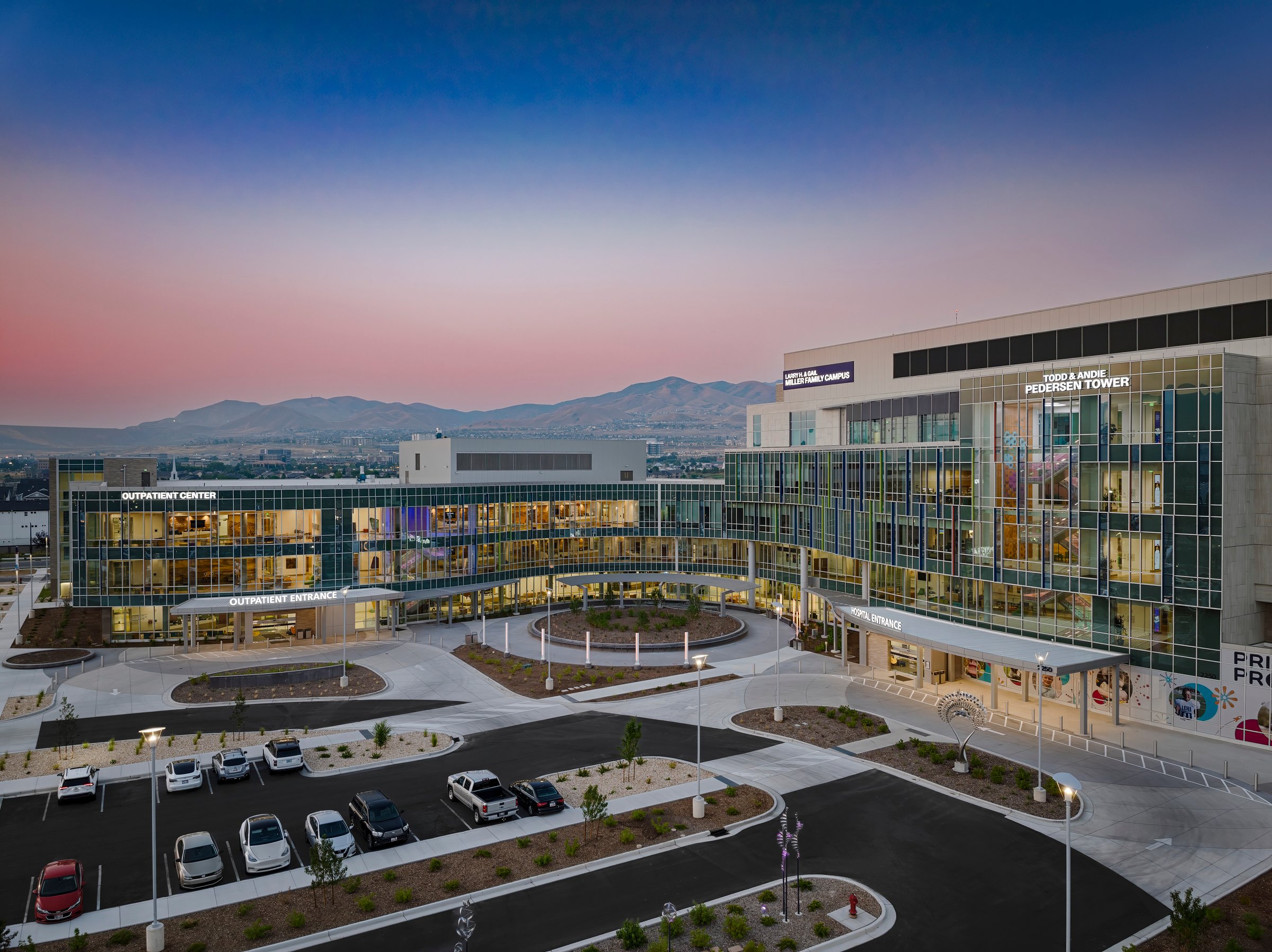
Intermountain Primary Children’s Hospital, Miller Family Campus, is designed with a focus on optimized building systems, flexible lab and care spaces, and data tracking for energy efficiency and indoor environmental quality. Photo/Brad Feinknopf
Performance in perspective
According to the U.S. Department of Commerce and the National Institute of Standards and Technology (NIST), performance-critical facilities demand solutions tailored to their function and risk profile. Yet many building codes are still prescriptive, limiting the ability of project teams to address modern challenges like extreme weather, decarbonization, and systems integration.2
As the International Code Council (ICC) acknowledges, performance-based paths allow designers and engineers to achieve code objectives through innovative means. That flexibility is a must for buildings that cannot afford downtime.3
It is evident that the most important buildings can no longer be judged only by their aesthetics or design, but also by how well they perform under pressure. This is why the real estate industry is quietly transforming. Across sectors, performance-based design is becoming the preferred approach.
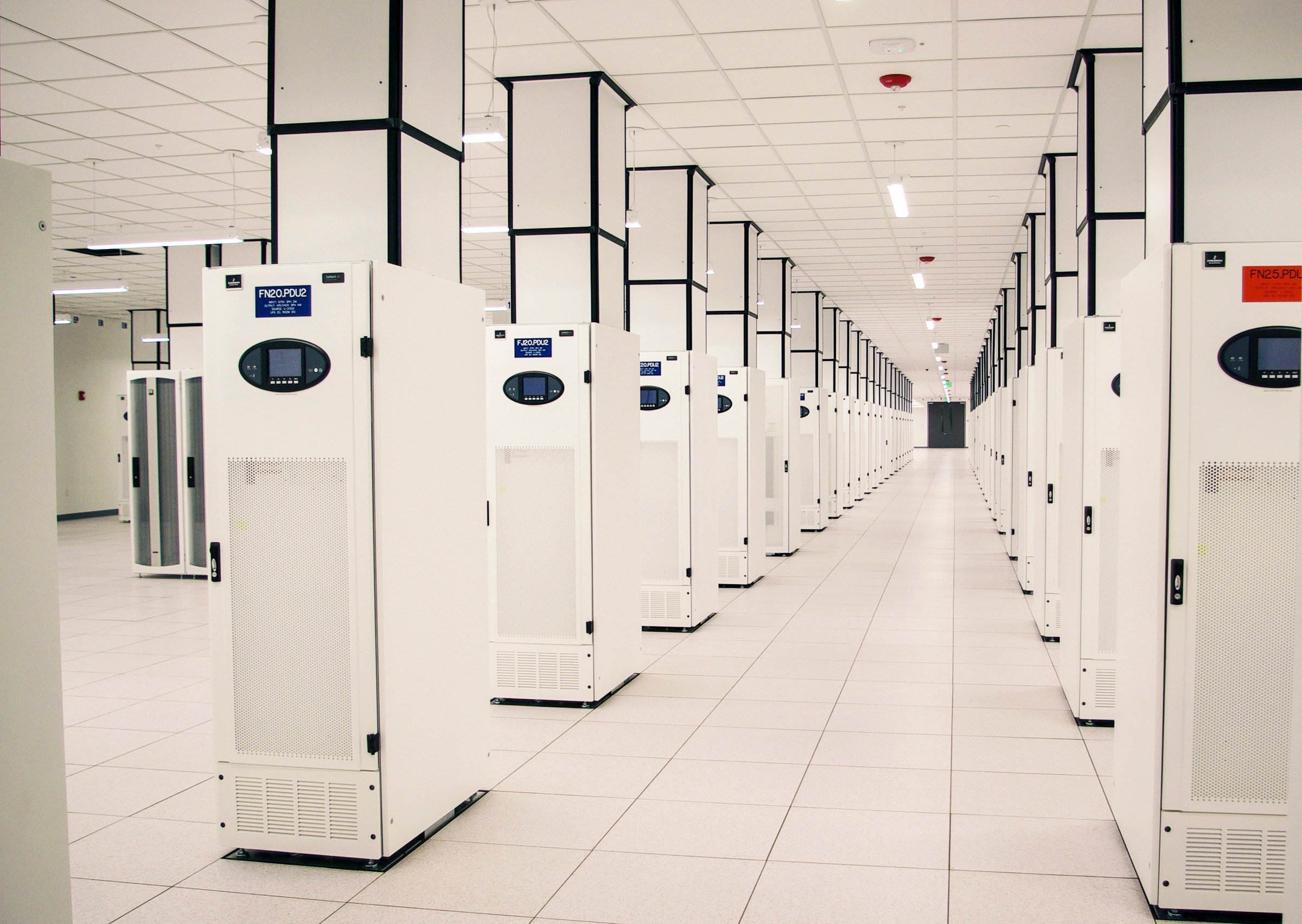
United Airlines' Tier IV, Concurrently Maintainable/Fault Tolerant data center, meeting Uptime Institute standards and client-specific requirements to develop a resilient infrastructure to ensure seamless business continuity. Photo/Joe Kay Studios.
Implications for different property types
Data centers now stand as the digital backbone supporting almost every industry. These facilities require massive energy inputs, cooling redundancy, cybersecurity systems, and modular expansion capabilities. Industry research reveals that downtime events are rising in cost and frequency, emphasizing the importance of proactive, performance-focused design.4
Data centers are no longer just technical facilities; instead, they represent performance-critical environments that demand adaptability, fault tolerance, and system-level design strategies to maintain operational continuity.5
In a similar fashion, the healthcare and life sciences sectors make up the infrastructure widely understood to be necessary for managing community health at any scale.6 This encompasses a wide spectrum of facility types that must always perform reliably.7 This includes not only hospitals but also outpatient service centers, ambulatory surgery facilities, medical office buildings, and research labs.
These environments are increasingly being evaluated not only for patient experience or operational cost, but also for how they perform under stress—such as during a power outage, cyberattack, or public health emergency. Stakeholders across this ecosystem — including real estate investors, operators, health systems, developers, and real estate investment trusts (REITs) — are adopting performance-based frameworks to safeguard assets for the future, maintain care continuity, and mitigate long-term risks.
Universities, too, are facing new pressures. As research activities become more complex and reliant on technology, the facilities that support them must meet higher standards. University labs, teaching hospitals, and core research spaces must require vibration control, power continuity, and environmental precision.8 Institutions like those tracked by the Society for College and University Planning (SCUP) are responding with investments in performance-driven master plans.9
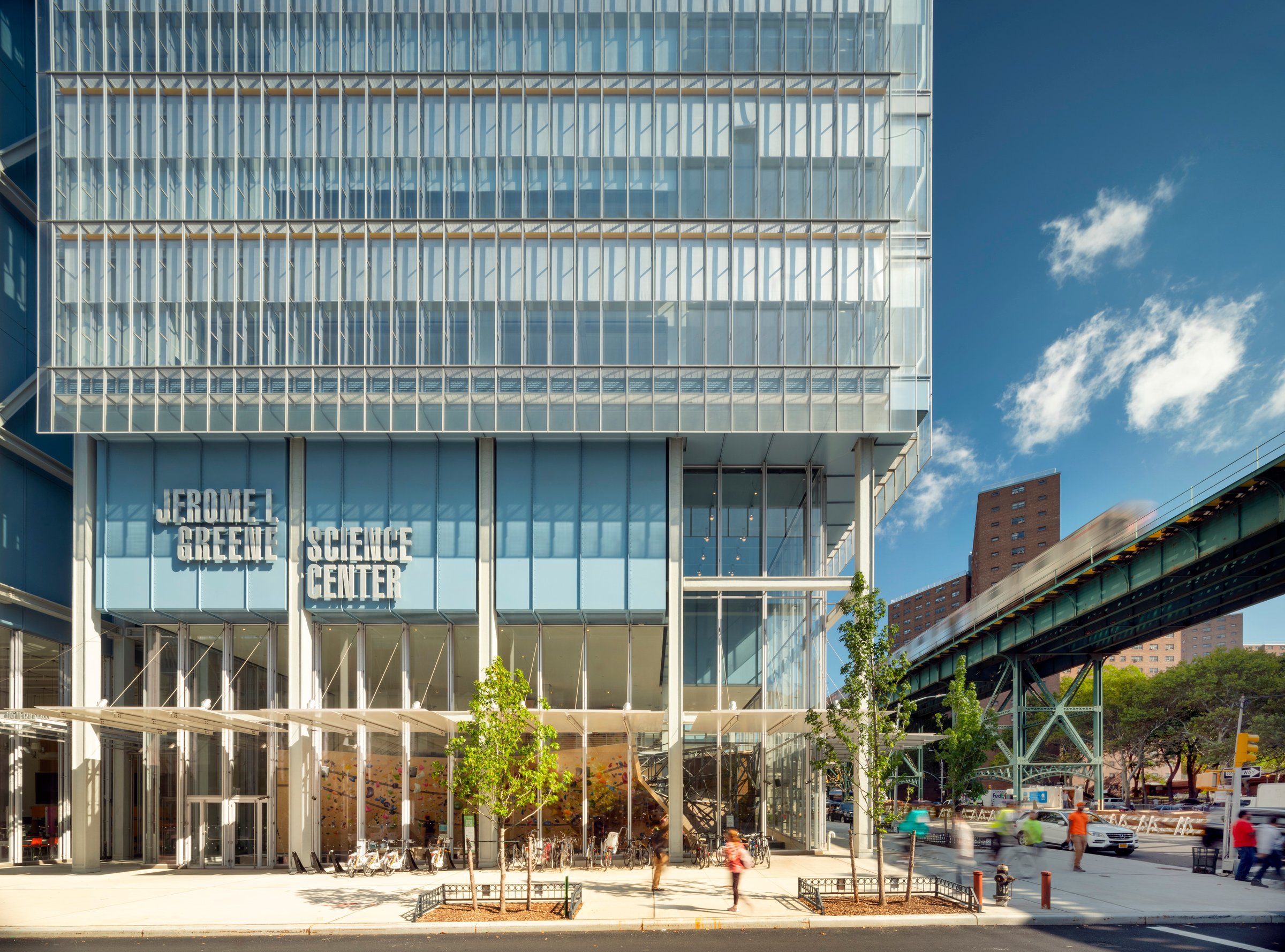
Columbia University’s Jerome L. Greene Science Center is a 458,000 sf LEED Gold neuroscience and engineering hub that integrates a high-performance building envelope, chilled beams, radiant heating, displacement ventilation, and energy recovery systems. Photo/Nic Lehoux
Performance-based design and value
These examples all point to the same conclusion: performance is now the defining metric of real estate value with prices reflecting these tangible benefits.
Performance-based design, extending beyond prescriptive codes, evaluates how a building will perform under unanticipated stressors and real-world conditions to ensure operational continuity. It is a comprehensive whole-building challenge that involves more than just architectural, mechanical, electrical, or plumbing systems; the interplay between systems and structure over time must be considered.
This represents a broader structural engineering paradigm that redefines how future real estate development is approached.10 By focusing on how a building behaves over its lifetime, performance-based design anticipates future design conditions and long-term needs, rather than simply verifying code compliance at completion of construction. Modeling performance outcomes and simulating various operational scenarios will result in more resilient and cost-effective assets.11
While prescriptive codes may suffice for low-risk buildings, performance-critical structures — including iconic buildings, museums, cultural institutions, and even high-rises — serve their local communities and carry cultural significance. These spaces will require adopting performance-based frameworks that foster innovation, creativity, and experiences that maximize usage.
As new macro forces evolve and reshape the marketplace, the most successful and enduring real estate projects will be those designed to perform and excel, delivering value and resilience that consistently surpass expectations over time.
References:
1.
International Business Machines Corporation (IBM). (n.d.). What is critical infrastructure? IBM Think.
2.
U.S. Department of Commerce. (2021). Assessment of resilience in codes, standards, regulations, and practices for existing buildings (NIST Technical Note 2209). National Institute of Standards and Technology.
3.
International Code Council. (2021). ICC Performance code for buildings and facilities (2021).
4.
Uptime Institute. (2024). Uptime Institute Global Data Center Survey Results 2024.
5.
Xiahou, X., Chen, J., Zhao, B., Yan, Z., Cui, P., Li, Q., & Yu, Z. Research on safety resilience evaluation model of data center physical infrastructure: an ANP-based approach. Buildings. 2022;12(11):1911.
6.
U.S. Department of Health and Human Services. (n.d.). Hospital Preparedness Program (HPP). Office of the Assistant Secretary for Preparedness and Response.
7.
Wang, W., Zmeureanu, R., & Rivard, H. Applying multi-objective genetic algorithms in green building design optimization. Building and Environment. 2005;40(11): 1512–1525.
8.
Fickett, M. (May 31, 2022). How to plan for vibration control in lab buildings: How to build low vibration, flexible laboratory buildings that cater to the life sciences market. Lab Manager.
9.
Alexander, L., & Drumm, KH. A master facilities planning process that focuses on ROI. Planning for Higher Education. 2016;45(1).
10.
Structural Engineering Institute. (April 5, 2018). Advocating for performance‑based design: Report to the Structural Engineering Institute Task Board of Governors.
11.
Dusenberry, D. (February, 2019). Performance-based design is the future. Structure Magazine.
Contributors

Thomas McCarthy loves to focus on how small details can have a big impact. As Page's CEO, Thomas is responsible for more than 1500 team members across 20 US and Mexico City offices. He leads an award-winning practice that considers how design—of a team, a project, or an entire company—can elevate its performance. He works with Page’s board of directors to set the firm’s strategic direction and spearheads the firm's transformation from a mid-sized organization into a world-class business. An architect with an education in finance, Thomas has been involved the firm's growth for more than 15 years.
More

Talk with us
Complex challenges need fresh perspectives and deep expertise. Connect with our team to explore how we can help you create spaces that make a real difference.