Master Plan and Portico Gallery
The Frick Collection showcases masterpieces of Western painting, sculpture, and decorative art, amassed by Henry Clay Frick in the mansion he built on Fifth Avenue in New York. Designed by Carrère and Hastings and constructed in 1913–1914, the house features sixteen galleries arranged as they were during Frick’s residency. Page was engaged to develop a Master Planning Study to support The Frick’s evolving needs while preserving the undeniable character of the house, library, gardens, and collection.
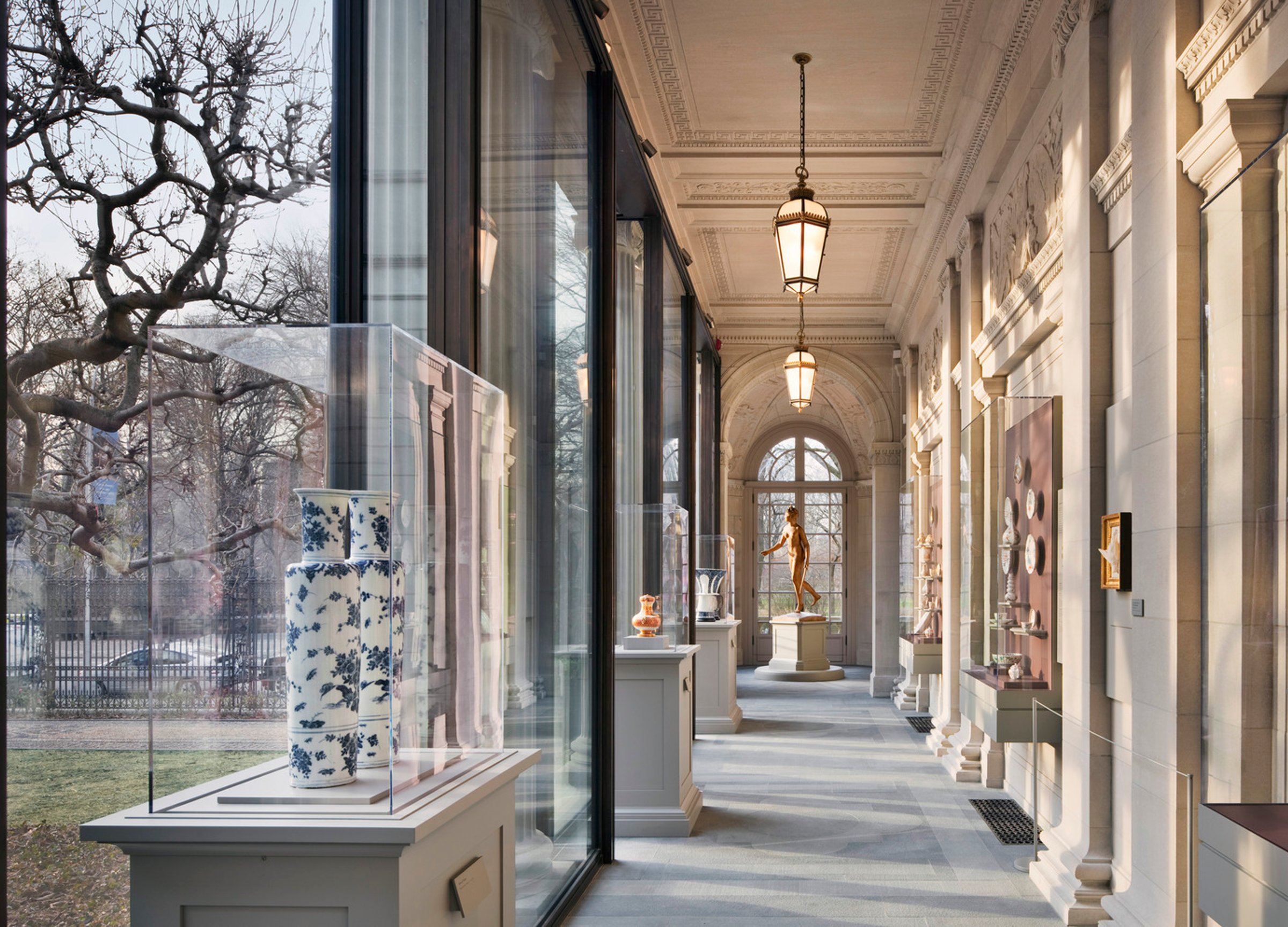
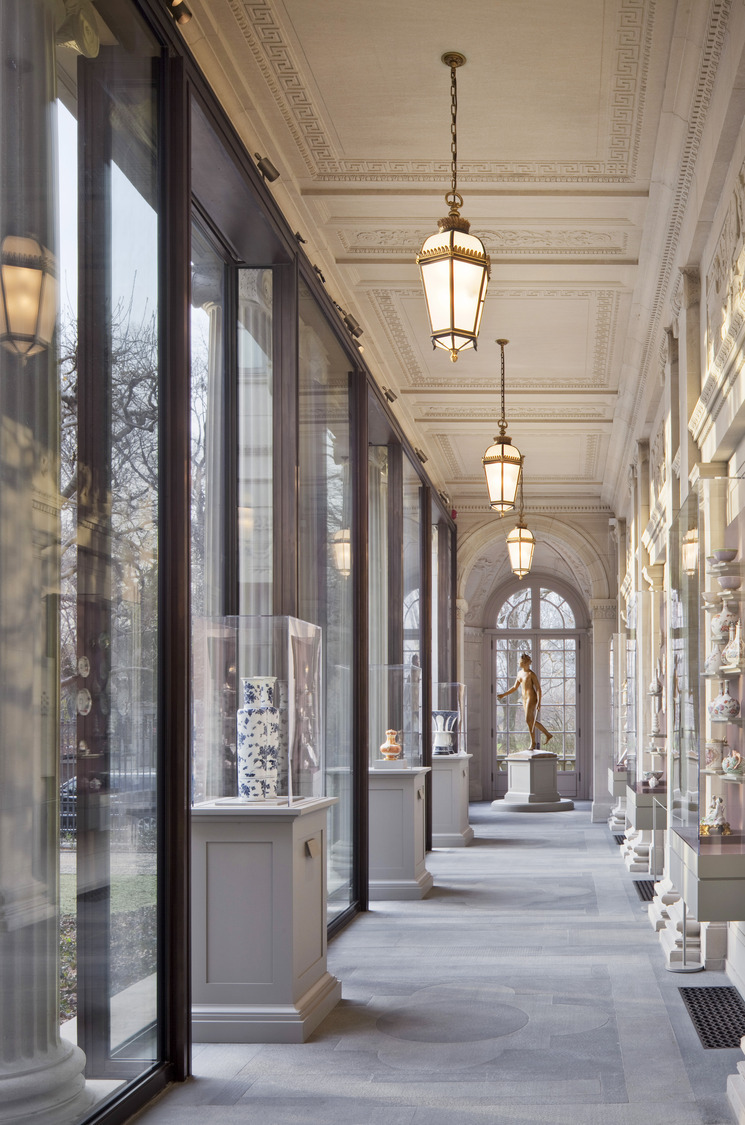
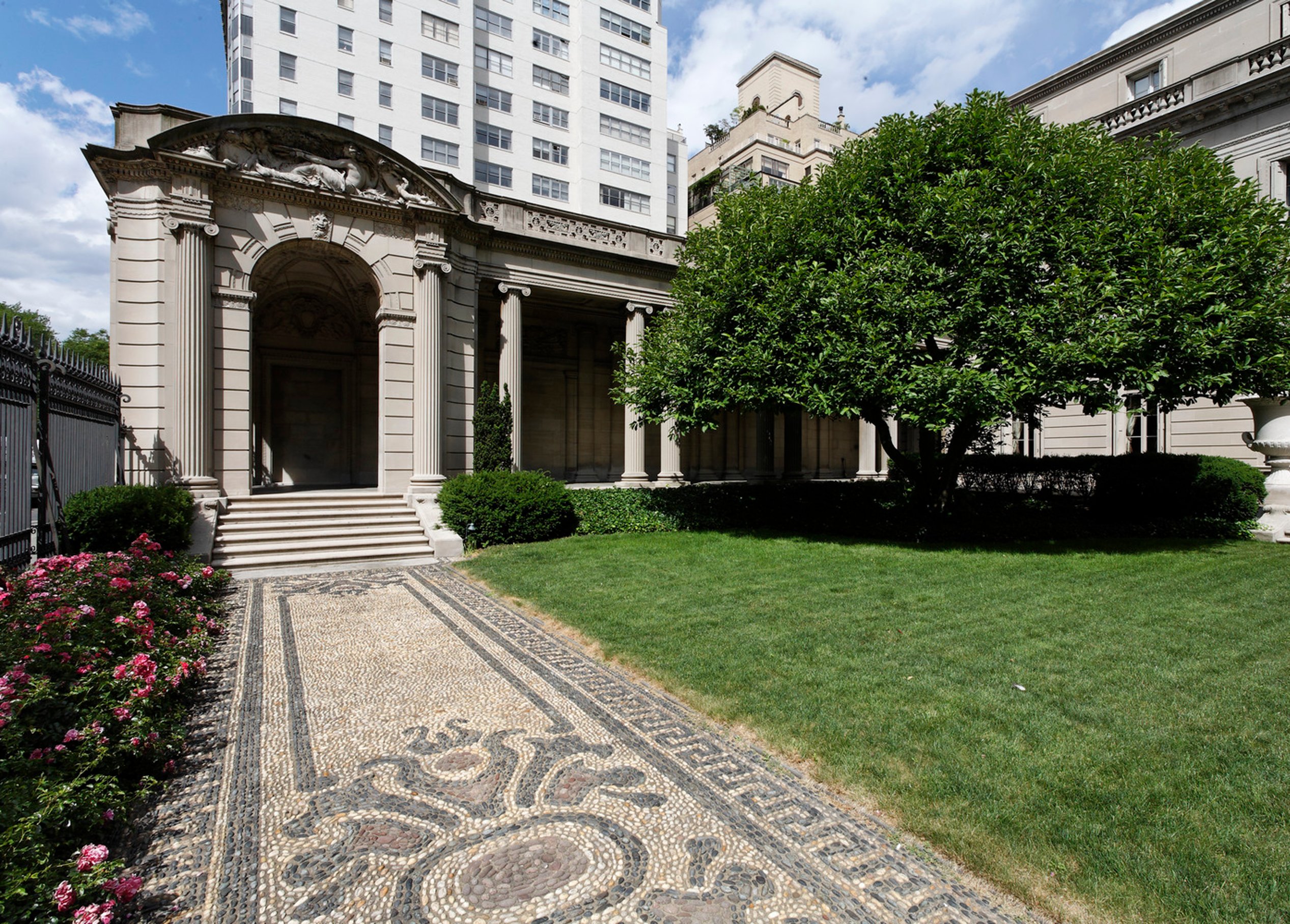
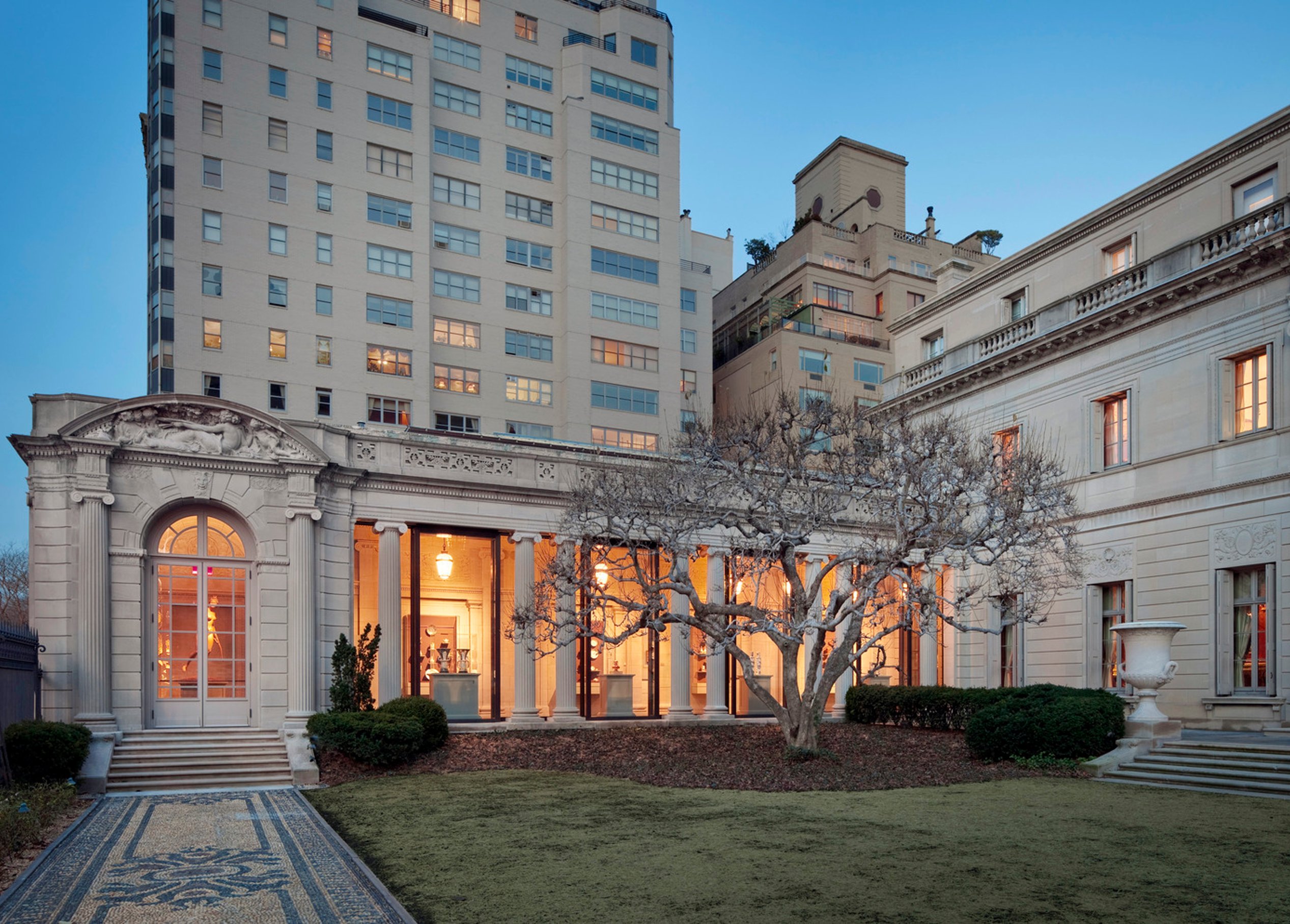
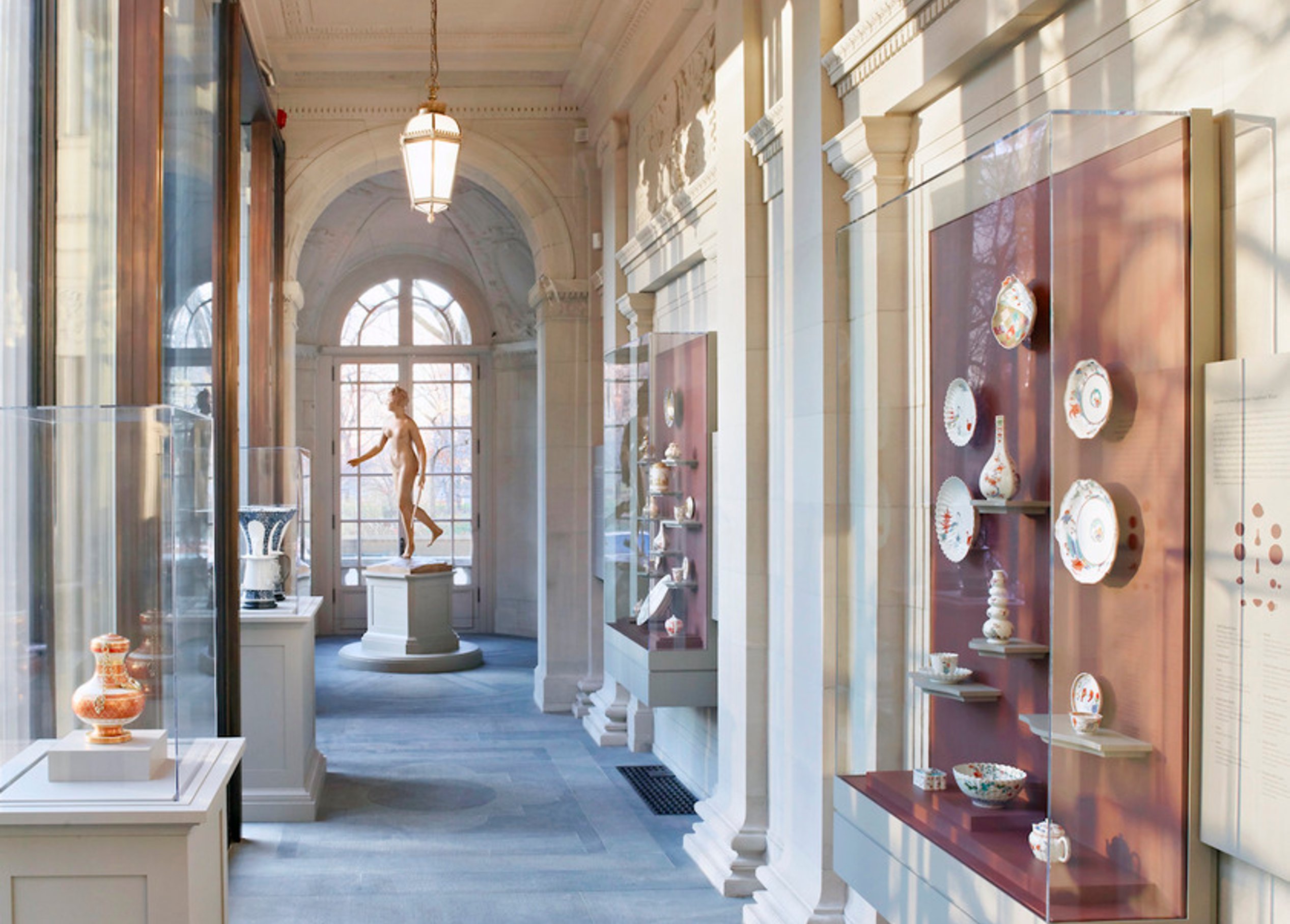
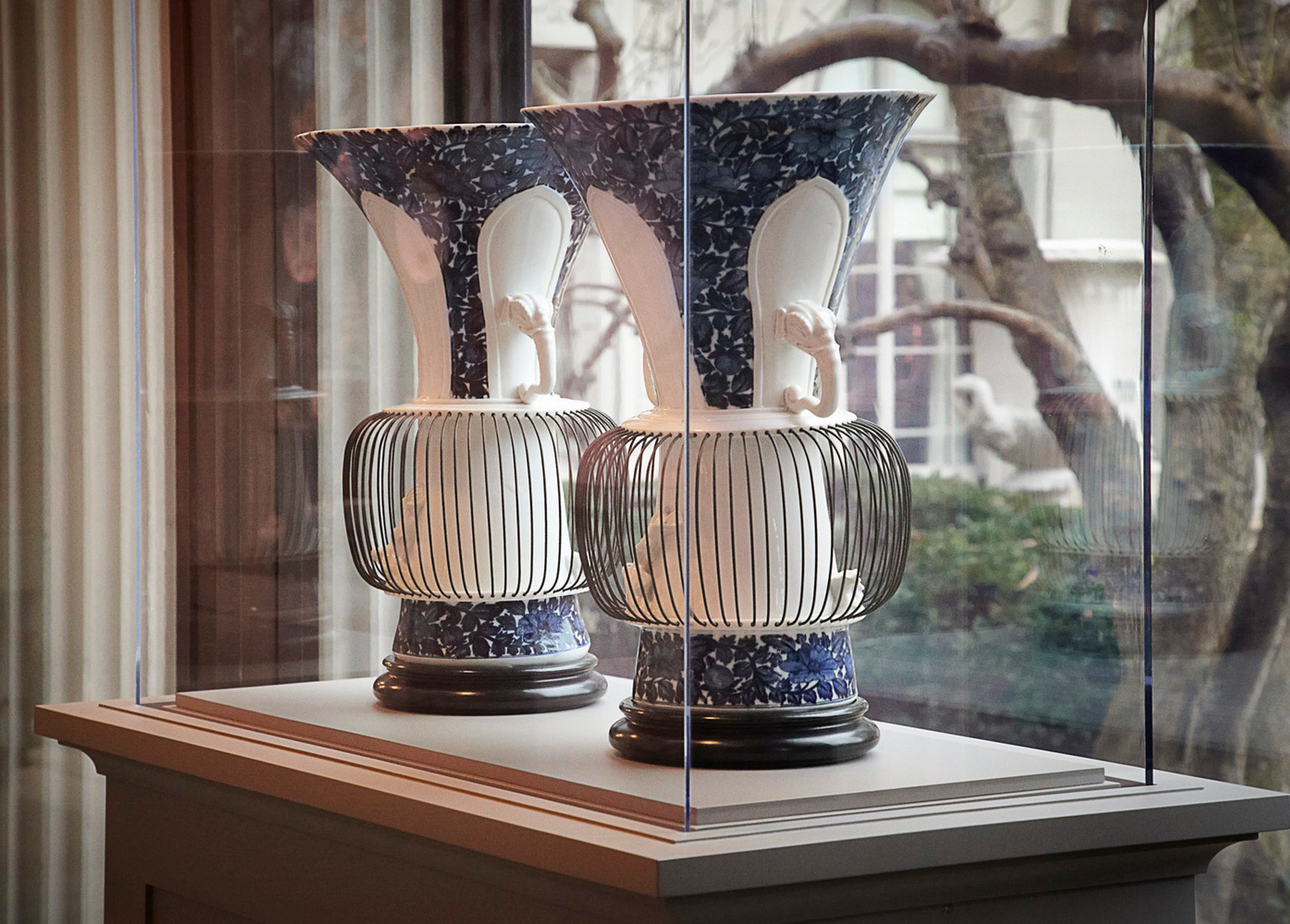
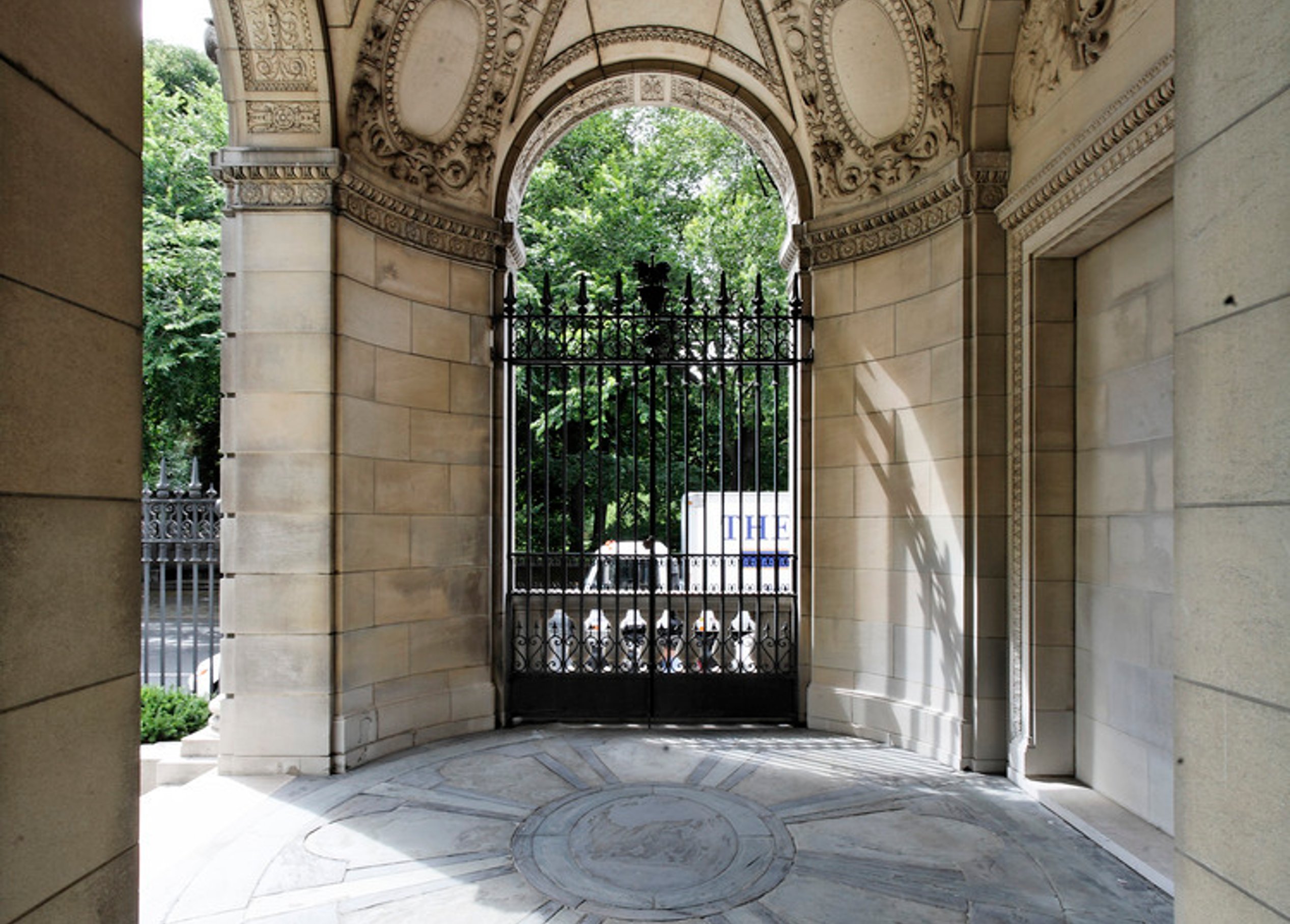
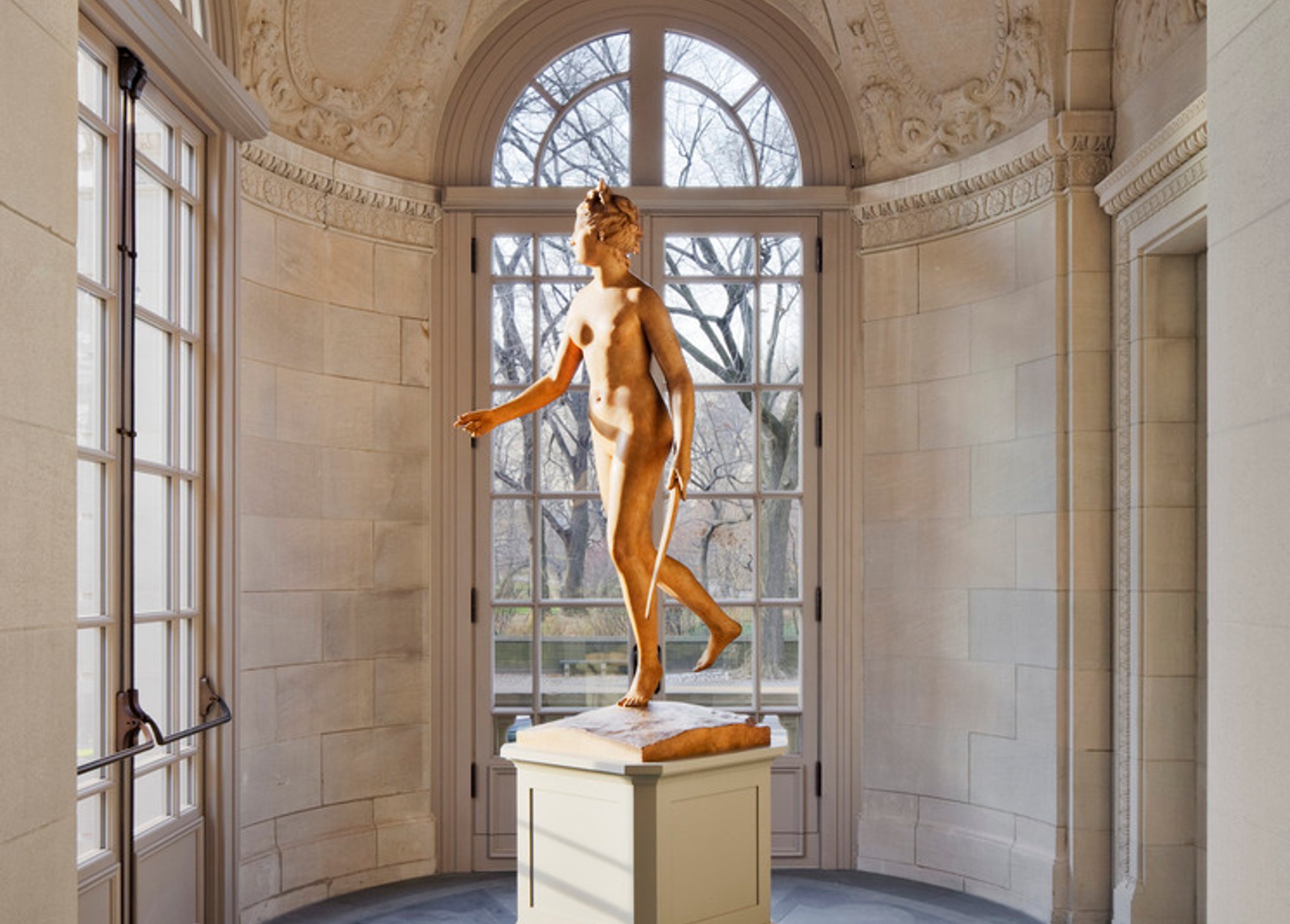
The first implementation of the master plan, the Portico Gallery, transformed a once inaccessible exterior loggia facing the Fifth Avenue Garden into a new interior gallery to display sculpture and porcelain. As the first expansion of The Frick Collection in thirty-five years, the Portico Gallery displays "Diana the Huntress," a full-length terracotta sculpture by Jean-Antoine Houdon (1740–1828) and an expanding collection in decorative arts.
Awards
-
1AIA New York Chapter Design Awards, Architecture Merit Award
-
2AIA New York State Chapter, Citation, Adaptive Reuse / Historic Preservation
-
3Friends of the Upper East Side Historic Districts Transformation Award
Master plan
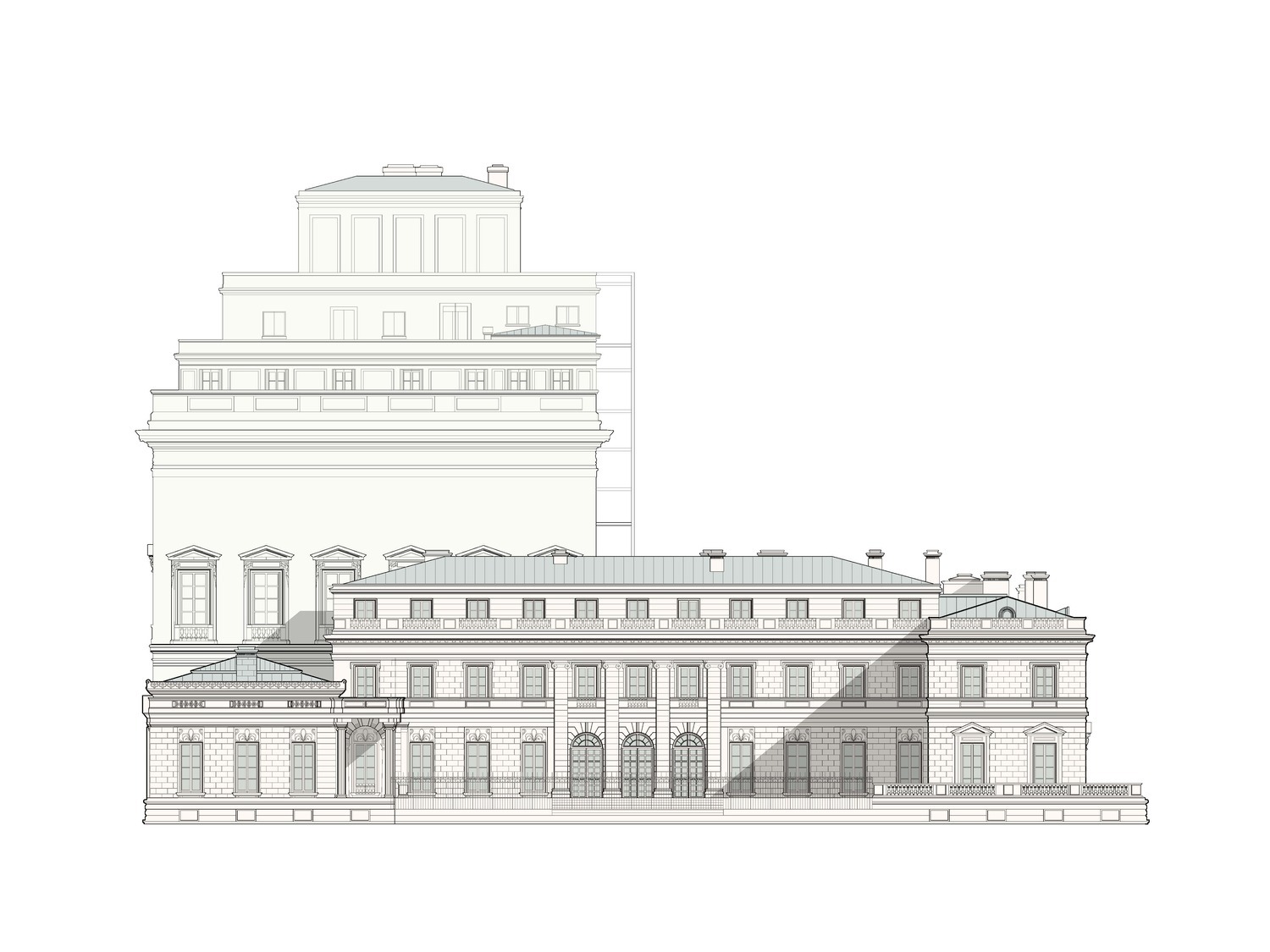
The Frick Collection engaged Page to develop a Master Plan that addressed its mission, goals, and the unique opportunities and challenges of operating a major New York City museum within a Gilded Age mansion. Our approach prioritized expanding space with minimal architectural intervention to preserve the historic character and visitor experience.
With the museum’s compact footprint and landmark status guiding us, we began by assessing existing conditions and identifying underutilized spaces that could be reprogrammed to better support current and future needs. The master plan outlined a comprehensive program, optimizing functionality through shared and multi-purpose spaces. Additionally, we explored opportunities to enhance the visitor experience by increasing access to historic areas previously restricted to back-of-house use.
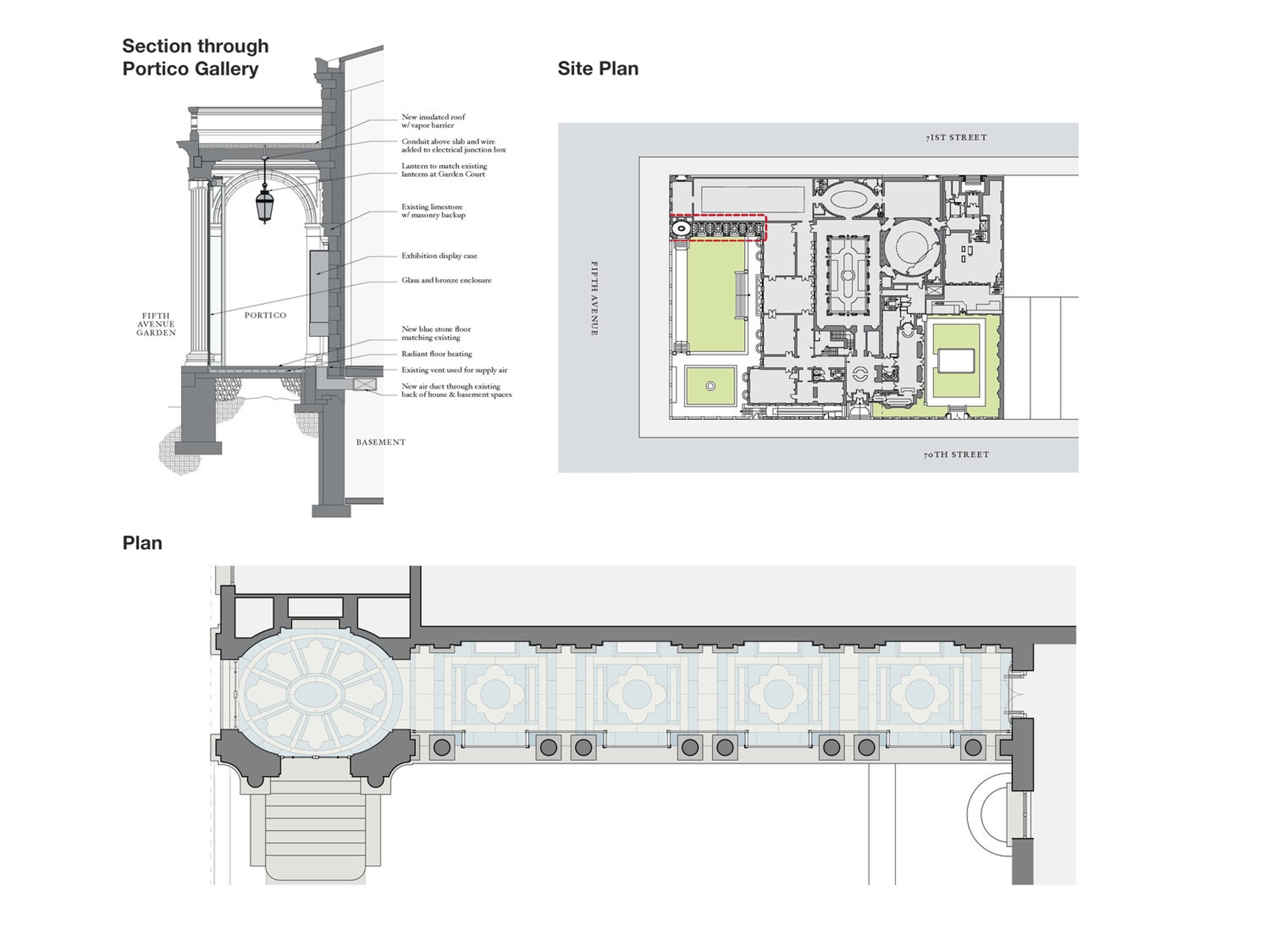
The plan also identified potential expansion strategies, the first of which was the Portico Gallery—an elegant integration of new program space within the museum’s historic fabric.
Bringing the collection to light
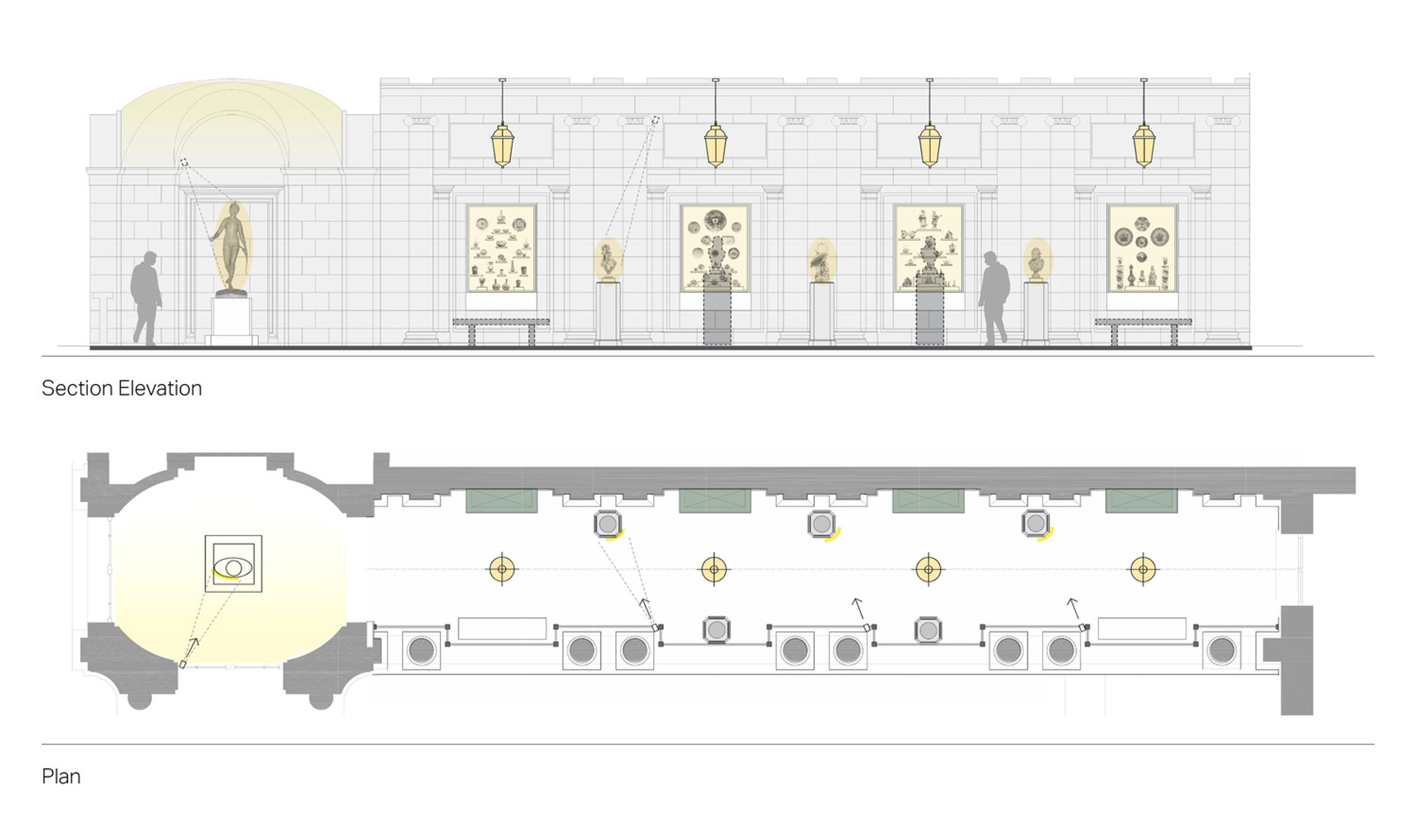
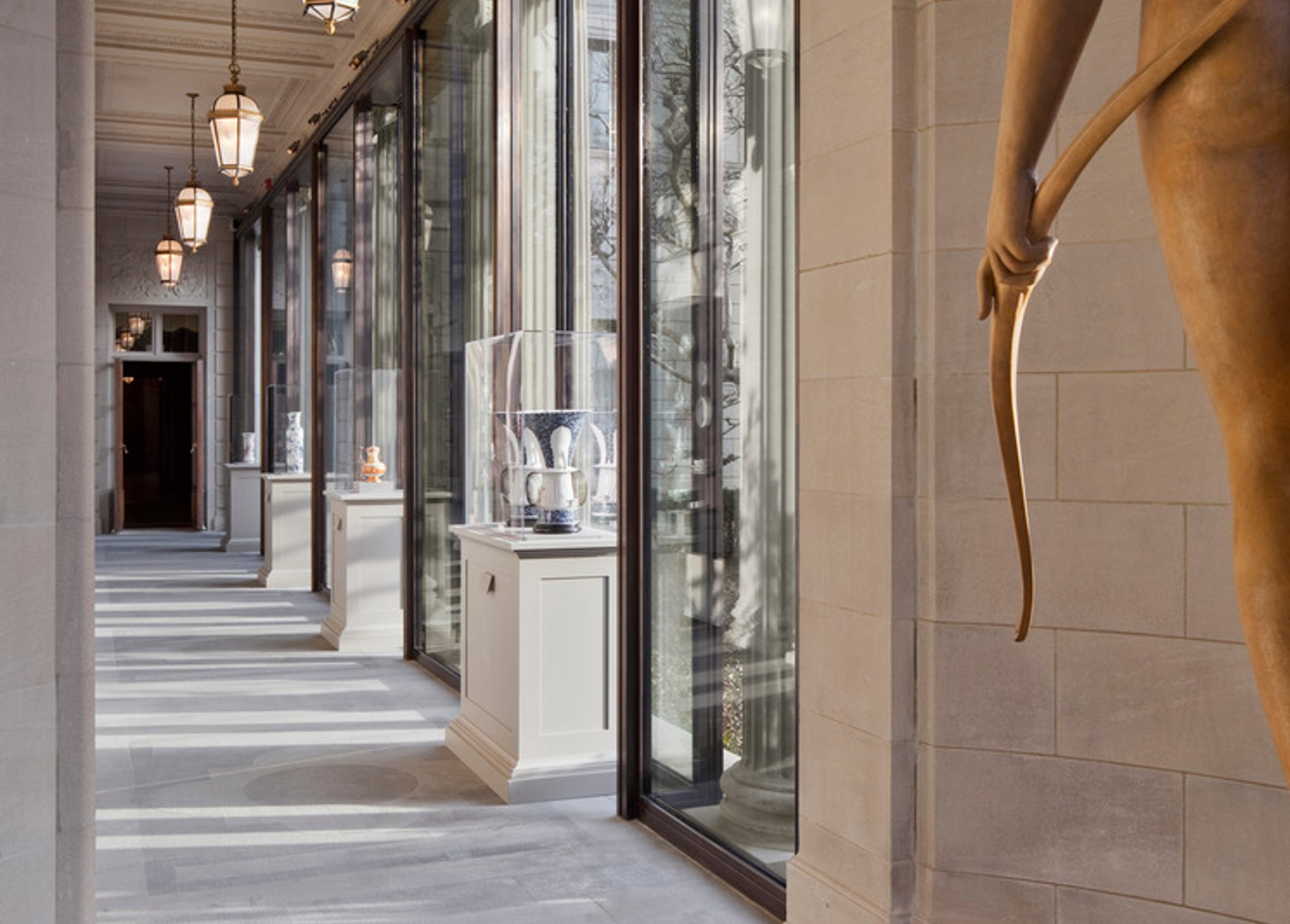
The new enclosure's wood and bronze frames conceal exhibit lighting, while four new lanterns, matching the Garden Court's, provide ambient light. A Low-E glass coating and motorized screens on solar sensors provide additional light control.
Portico Gallery
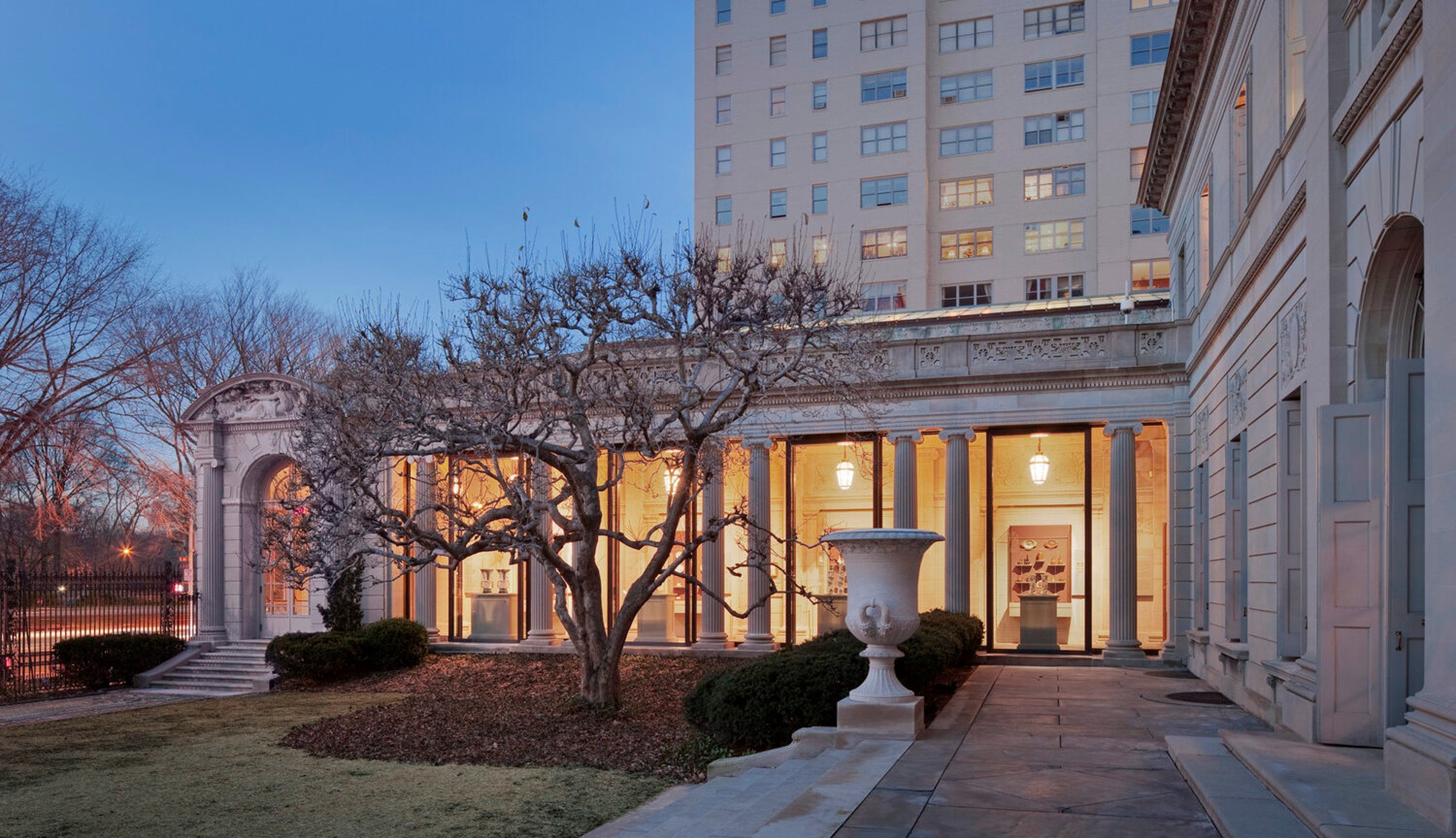
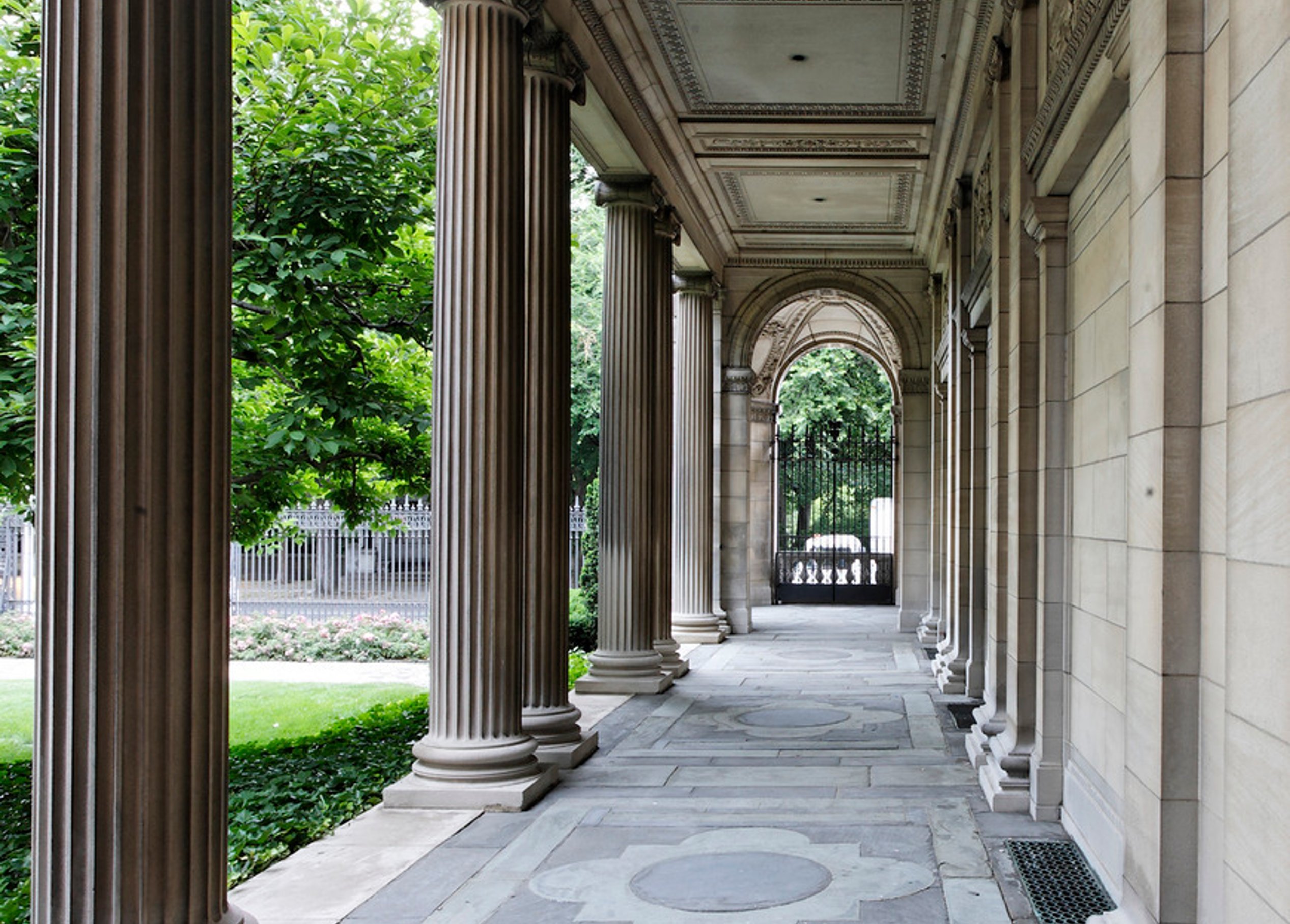
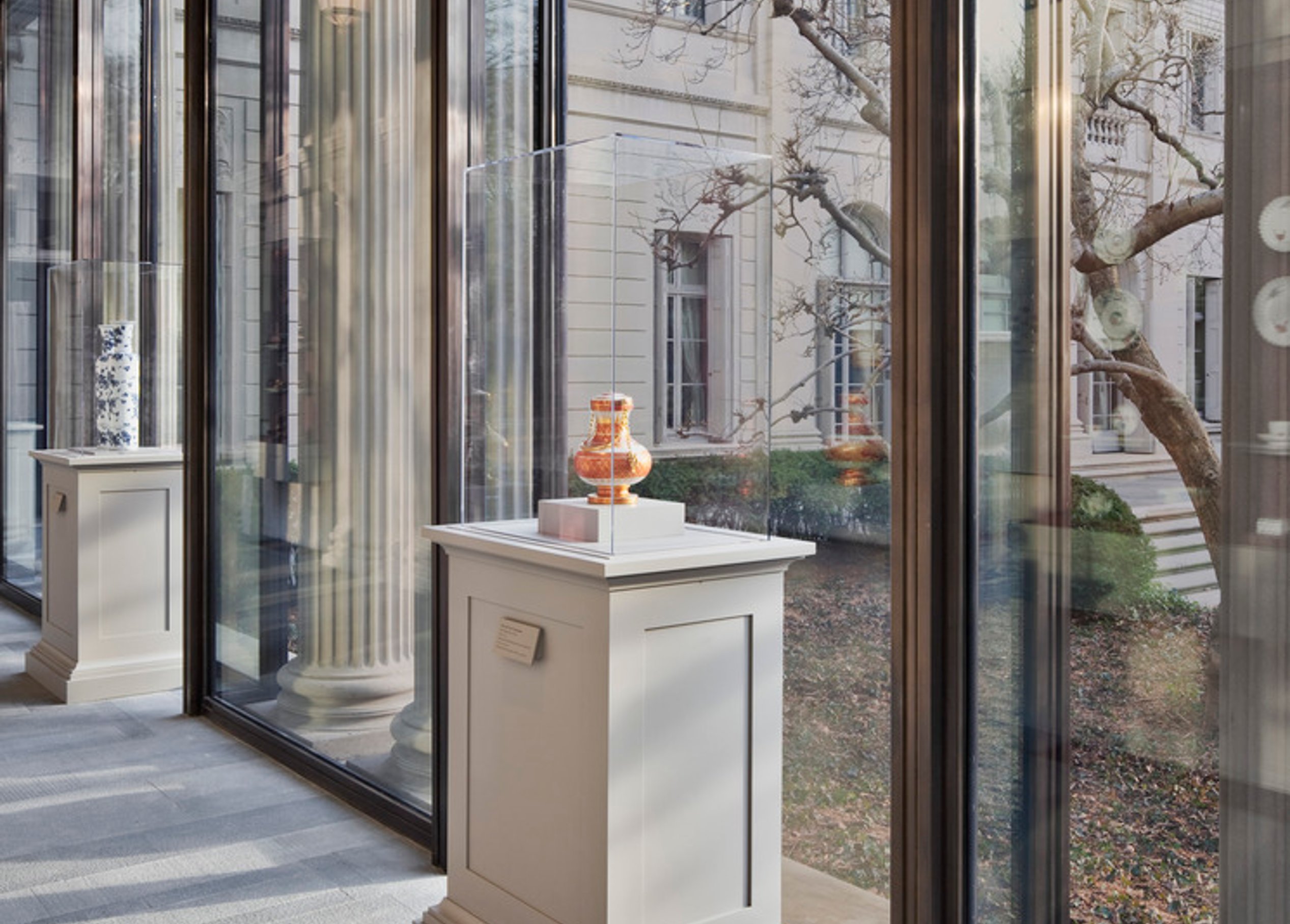
The first expansion of the Frick in 35 years, the Portico Gallery transformed a previously inaccessible exterior loggia facing the Fifth Avenue Garden into a new interior gallery for the display of sculpture and porcelain. The design carefully preserves the original character of the loggia as an outdoor space, incorporating its distinctive colonnade, bluestone floor, exterior limestone walls, and bas-reliefs. Subtle exhibit lighting, advanced glazing, and ambient illumination ensure a balance of light, maintaining the gallery’s airy, outdoor feel.
To minimize the architectural impact of the new glazing, fourteen-foot-high, self-supporting structural glass panels extend along the south-facing colonnade, resulting in minimal interference and attachment to the historic fabric. These expansive panels visually open the space to the Fifth Avenue Garden, offering visitors, for the first time, the opportunity to experience the garden from the loggia.
/
Similar projects
/

Talk with us
Complex challenges need fresh perspectives and deep expertise. Connect with our team to explore how we can help you create spaces that make a real difference.