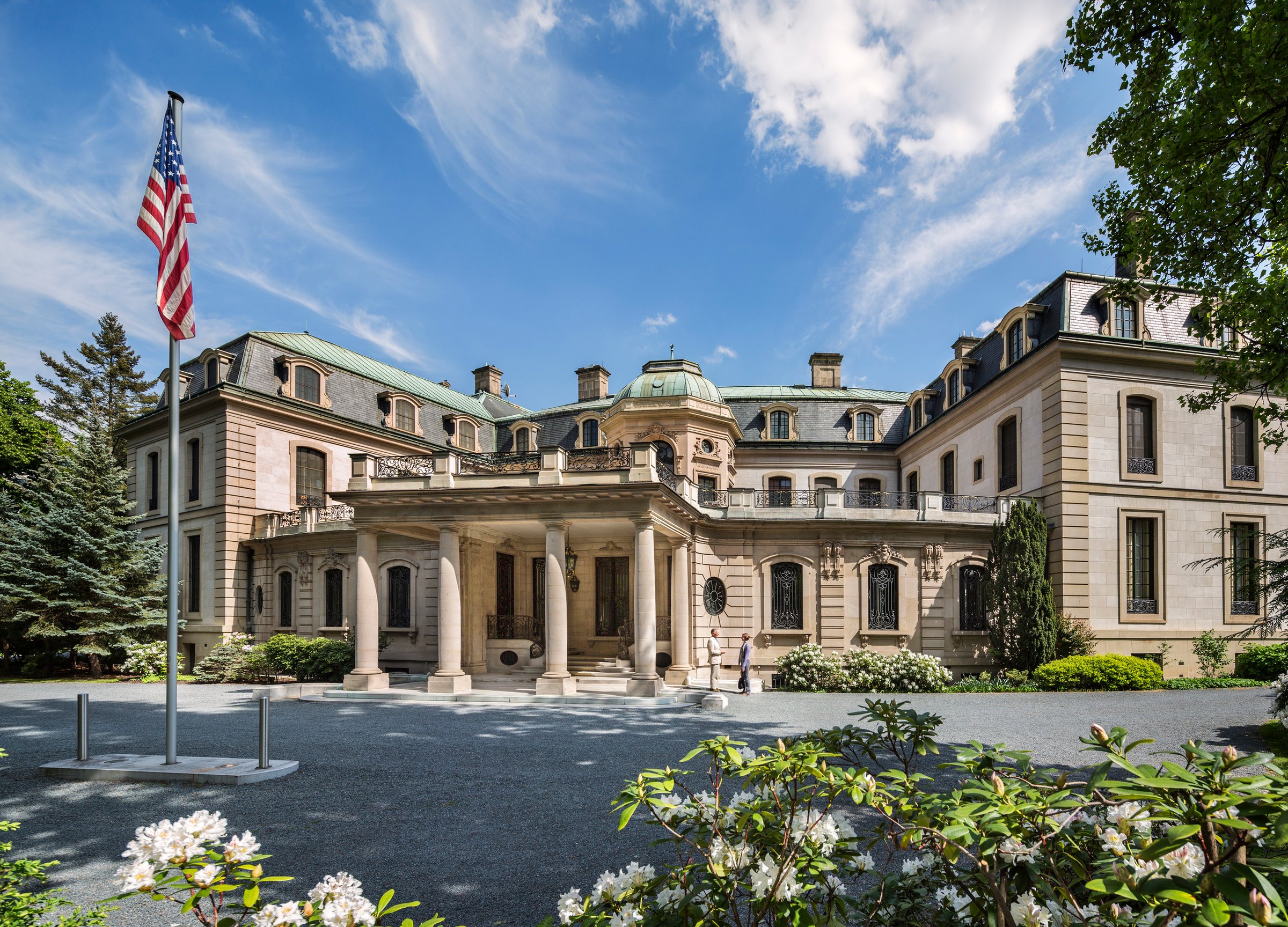
U.S. Ambassador's Residence Prague
A building filled with history and lore, the Petschek Villa was constructed in the 1920s by banker-industrialist Otto Petschek. It was later commandeered by the National Socialist German Workers’ Party then occupied by the Soviet Army before the U.S. government purchased the estate in 1948 to serve as the U.S. Ambassador’s Residence.
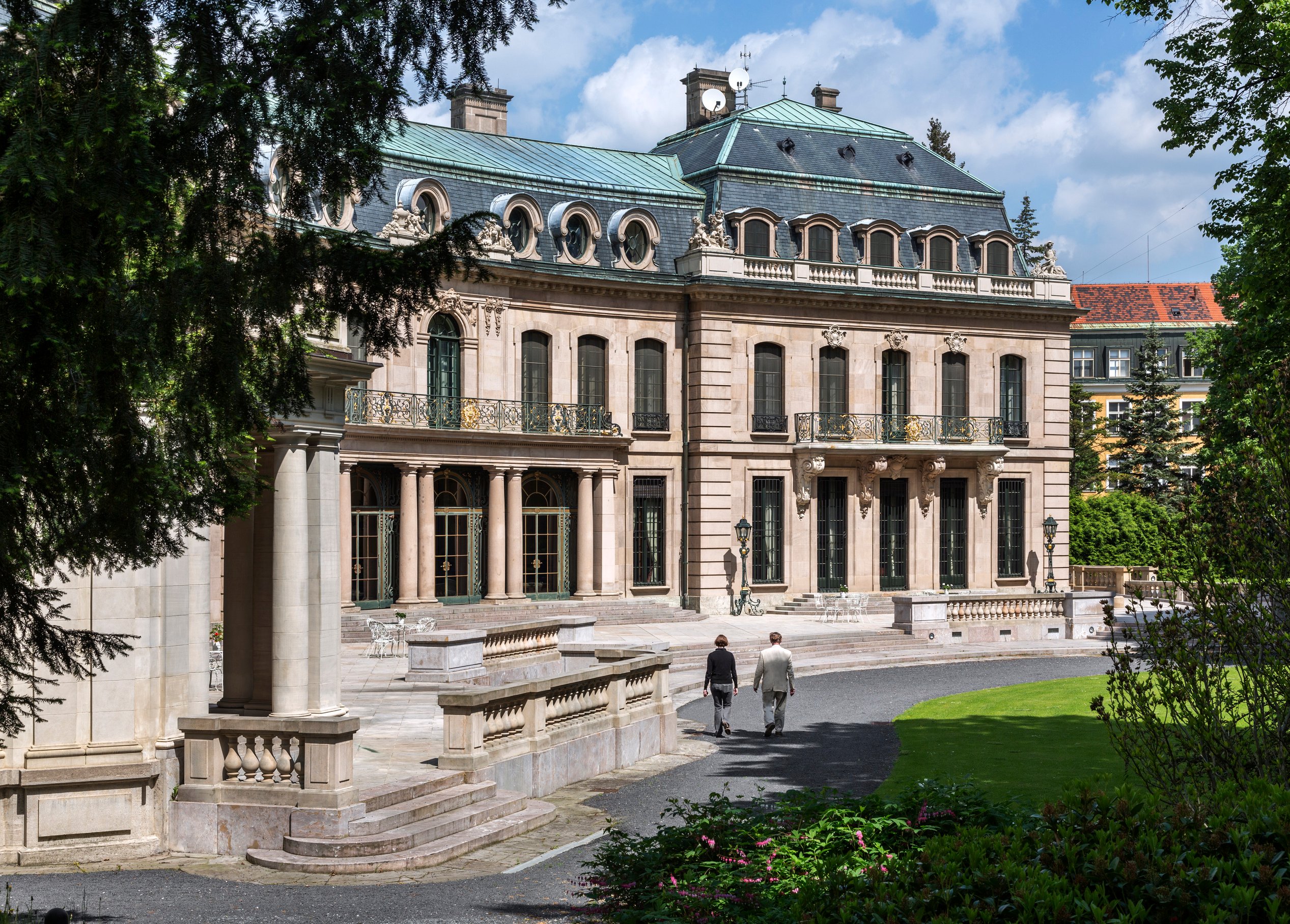
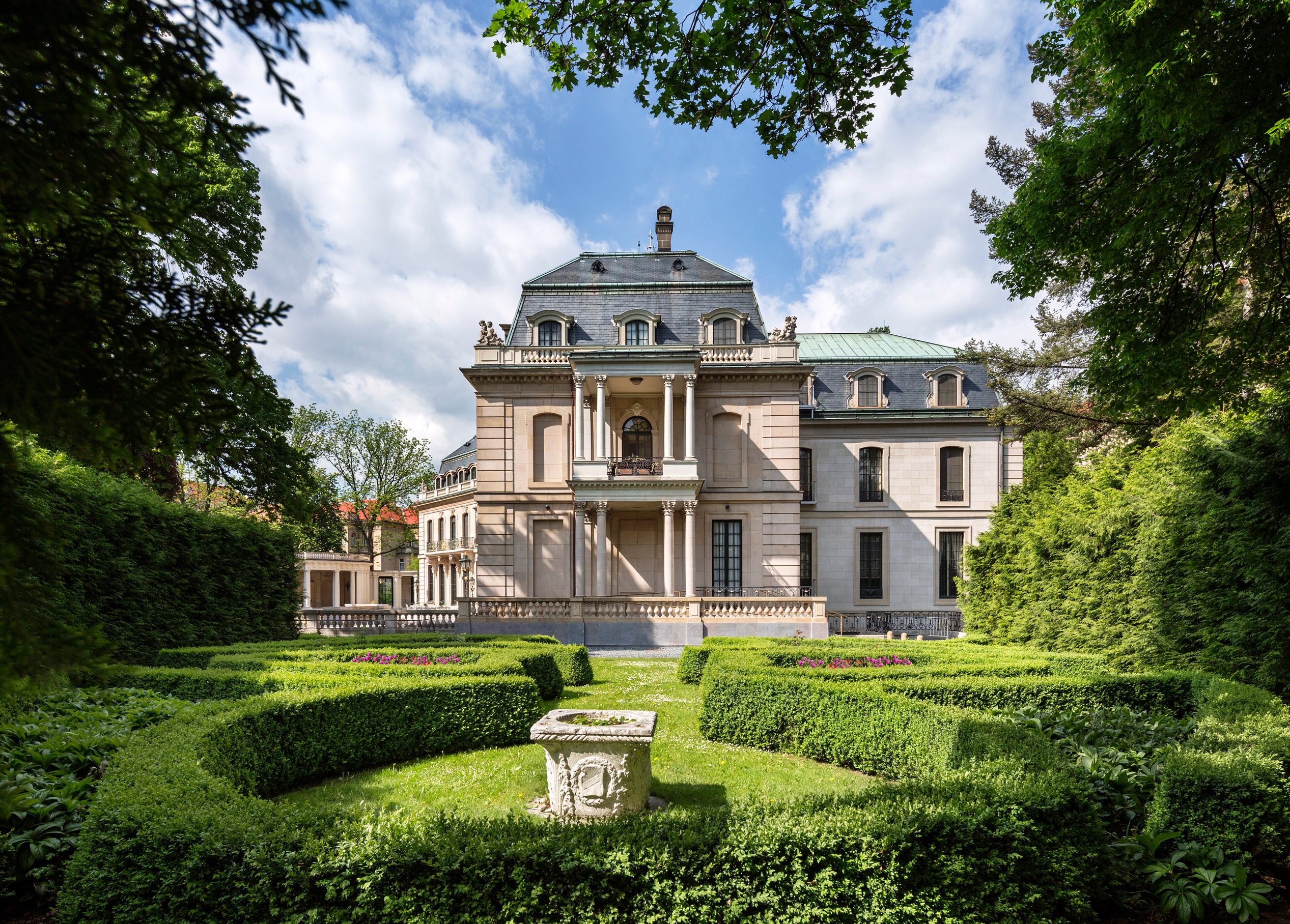
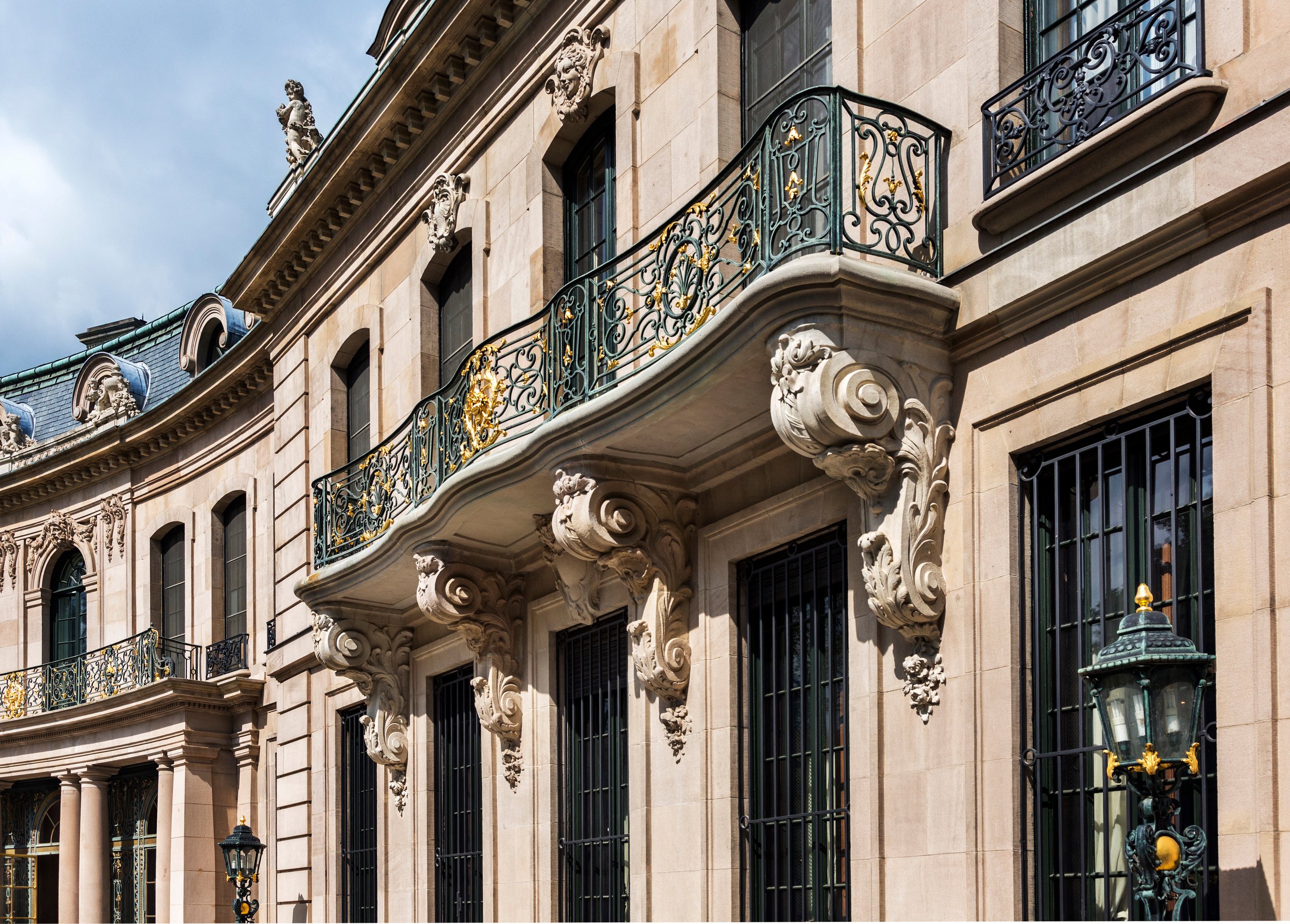
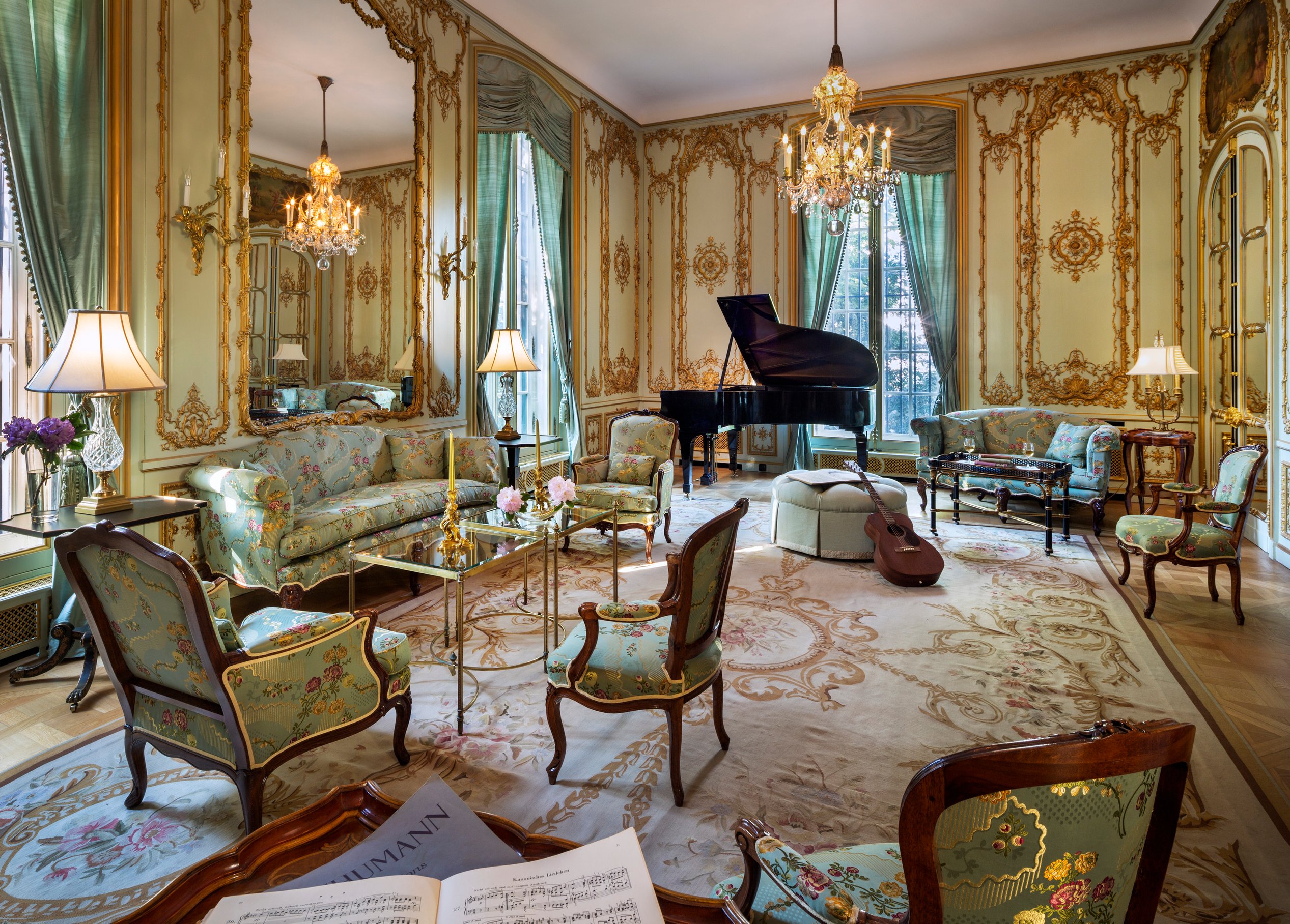
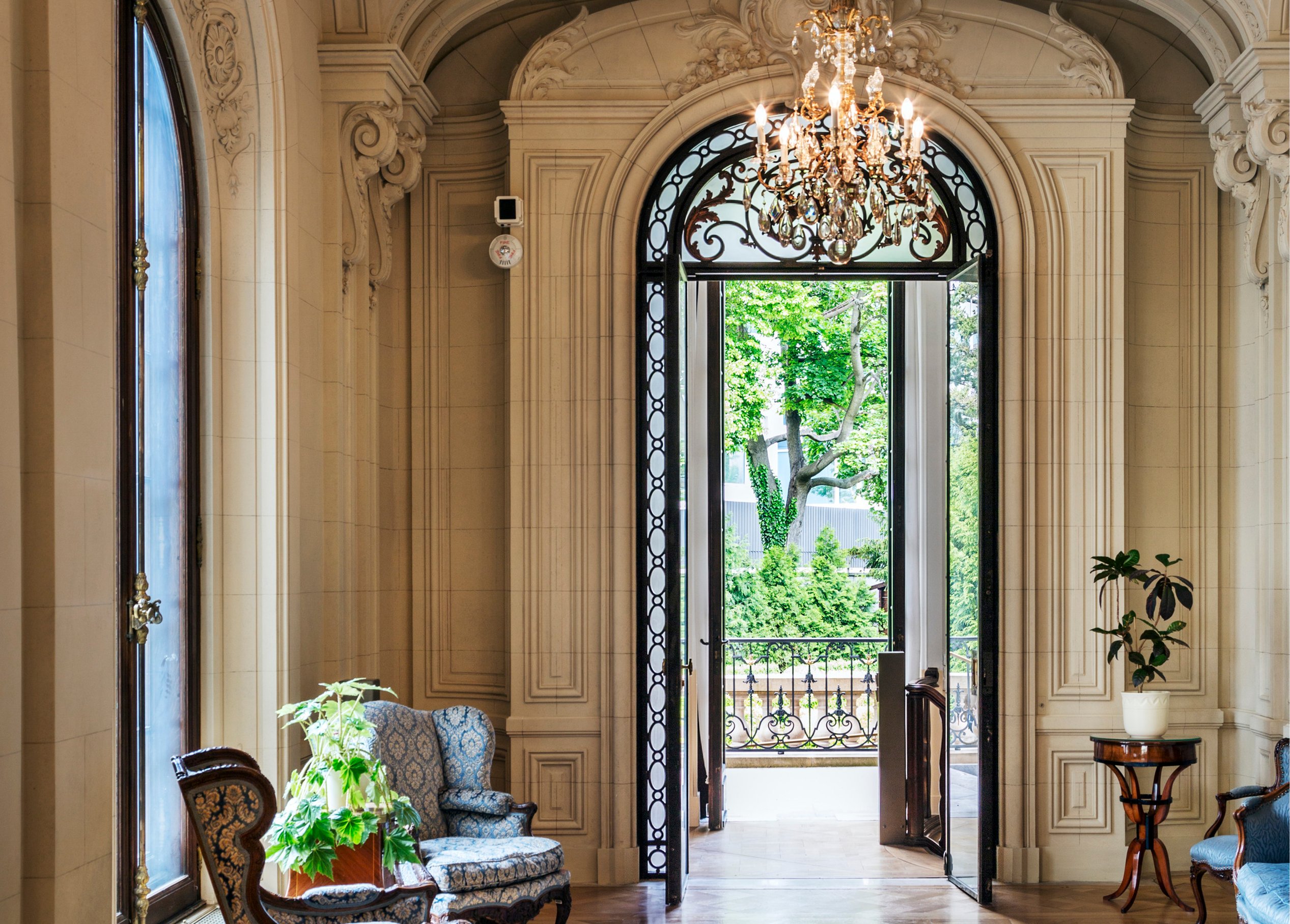
Featuring exquisite craftsmanship inside and out—from delicately detailed exterior masonry to interior walls of French silk—the neoclassical home stood as a symbol of elegance. By the new century, the residence required upgrades to meet the public and private functions of a modern American diplomatic facility.
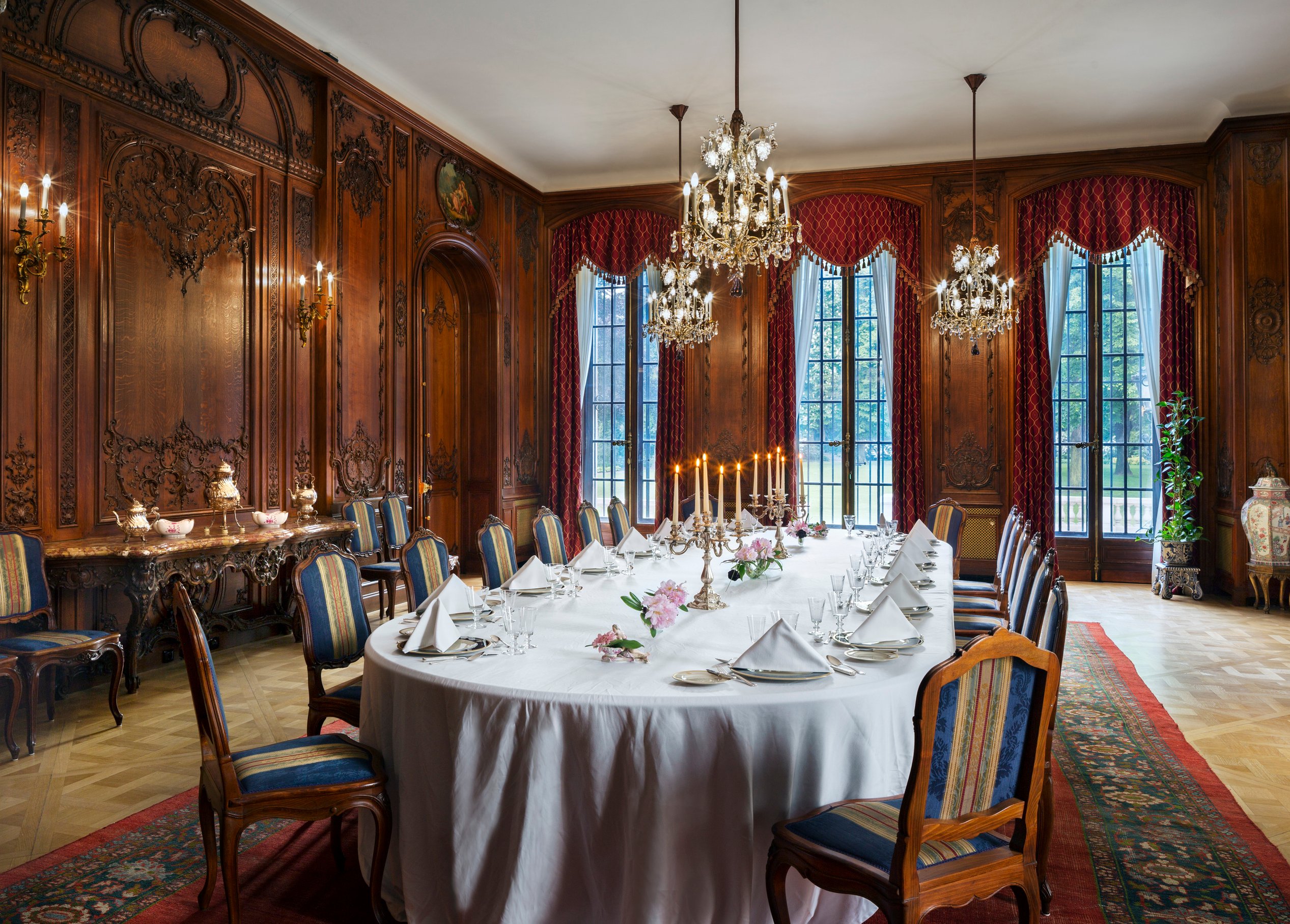
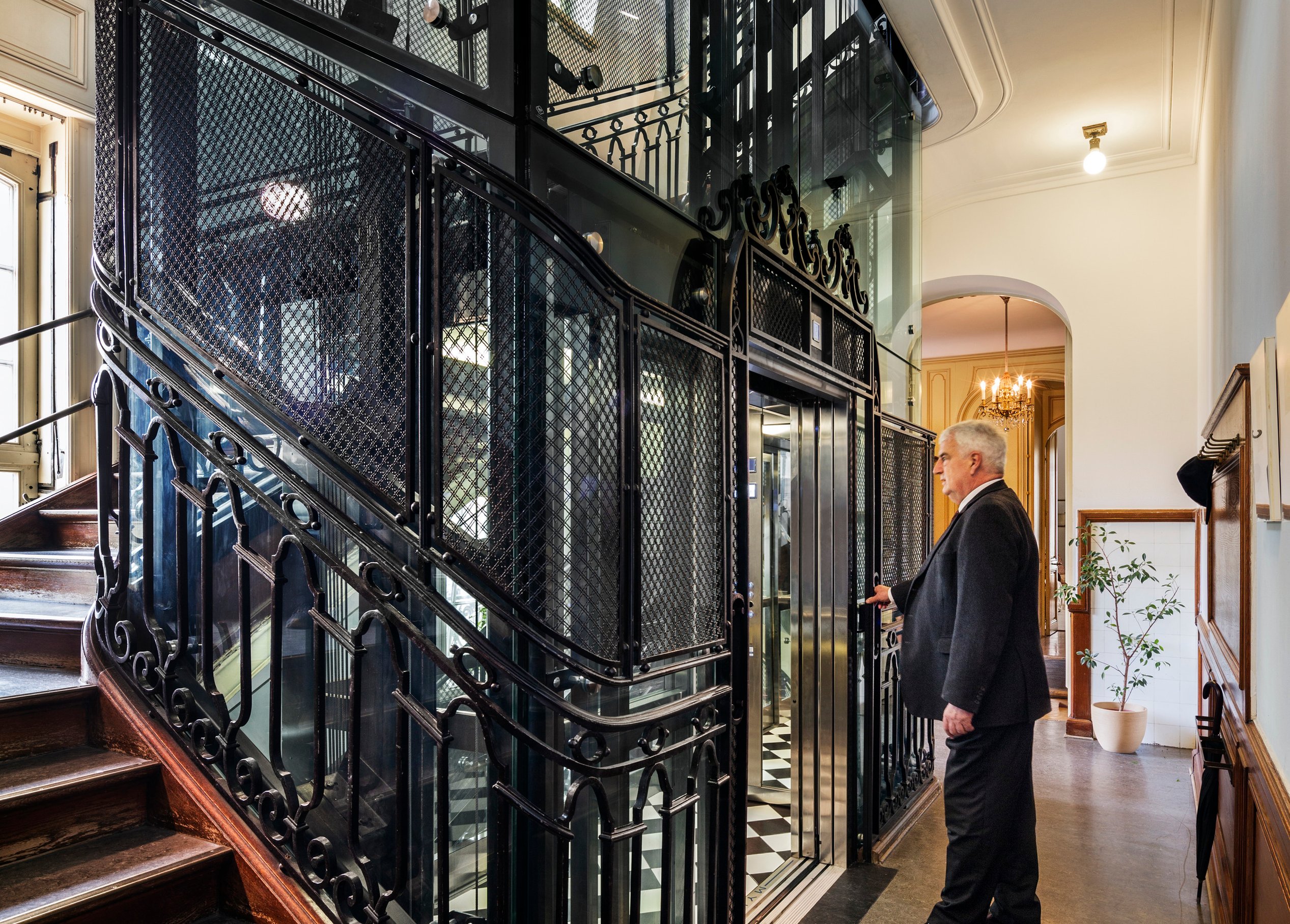
The phased renovation included meticulous repair to the ornamental exterior stucco, stonework, and terracing as well as careful disassembly and repair of interior decorative walls and finishes. The restoration work returned the villa to its former elegance with minimal disruption to the historic fabric while providing security, accessibility, and comforts of the 21st century.
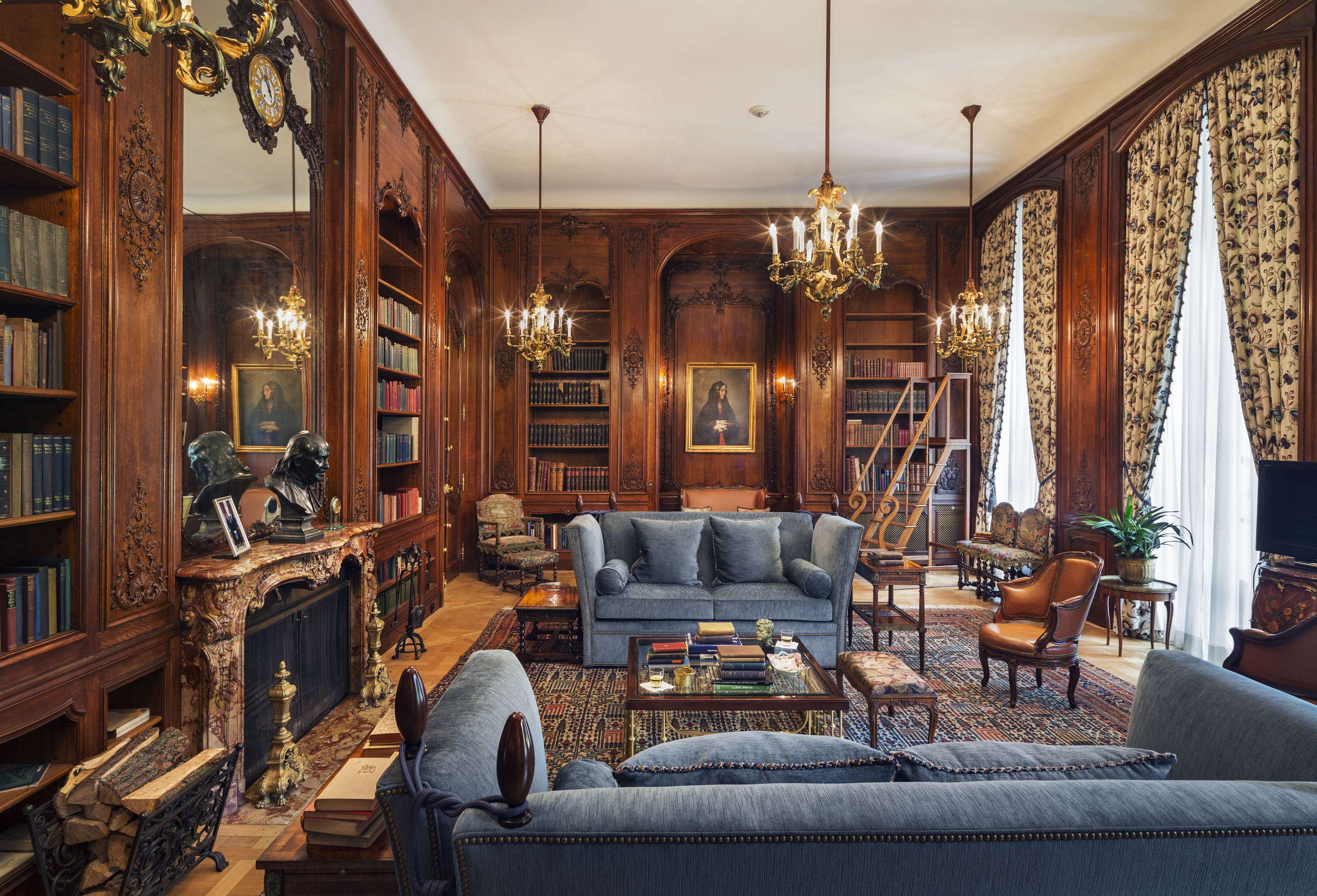
The modernization design is essentially invisible. Largely original engineering systems were updated or replaced and carefully reinserted behind restored decorative walls.
Historic preservation
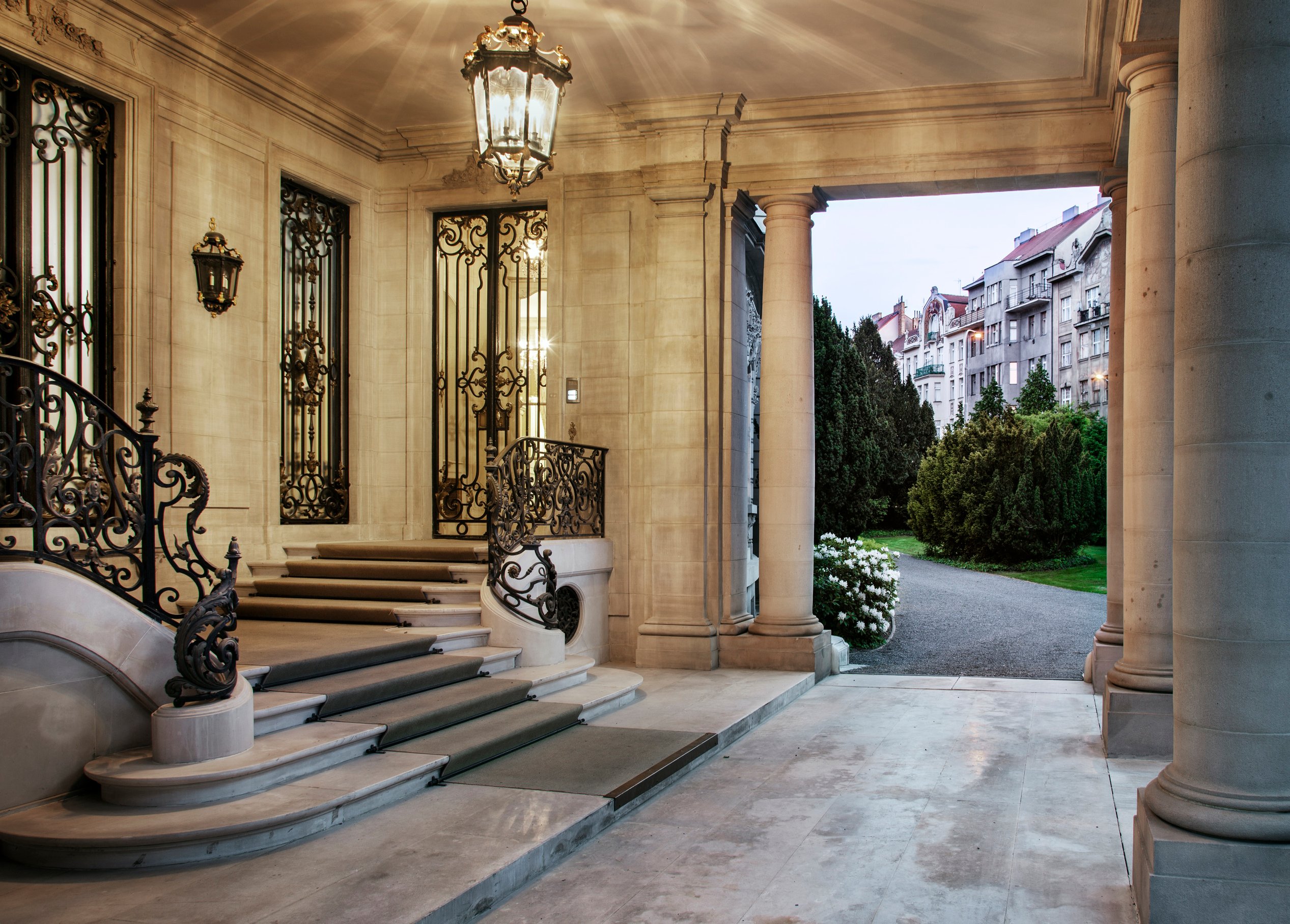
Listed on the Secretary of State’s Register of Culturally Significant Properties, the historic residence required modern access and conveniences while fully respecting its historic character. During the restoration, the team concealed new building systems behind the ornate walls, resulting in modern systems that are nearly invisible. Innovative features, such as the floor-covered mechanisms that open and close the magnificent wrought-iron entry doors, provide security and accessibility with no discernible change to the original decor.
The modernization design is essentially invisible. Largely original engineering systems were updated or replaced and carefully reinserted behind restored decorative walls.
“The house is like a magnificent ocean liner that's traveled through a hundred years of democratic ups and downs, waves peaking and falling.”Norman Eisenformer U.S. Ambassador to the Czech Republic
/
Similar projects
/

Talk with us
Complex challenges need fresh perspectives and deep expertise. Connect with our team to explore how we can help you create spaces that make a real difference.