by Robert McClure, Alison Ledwith, and Mo Elsayed
by Jill Kurtz and Tully Mahoney
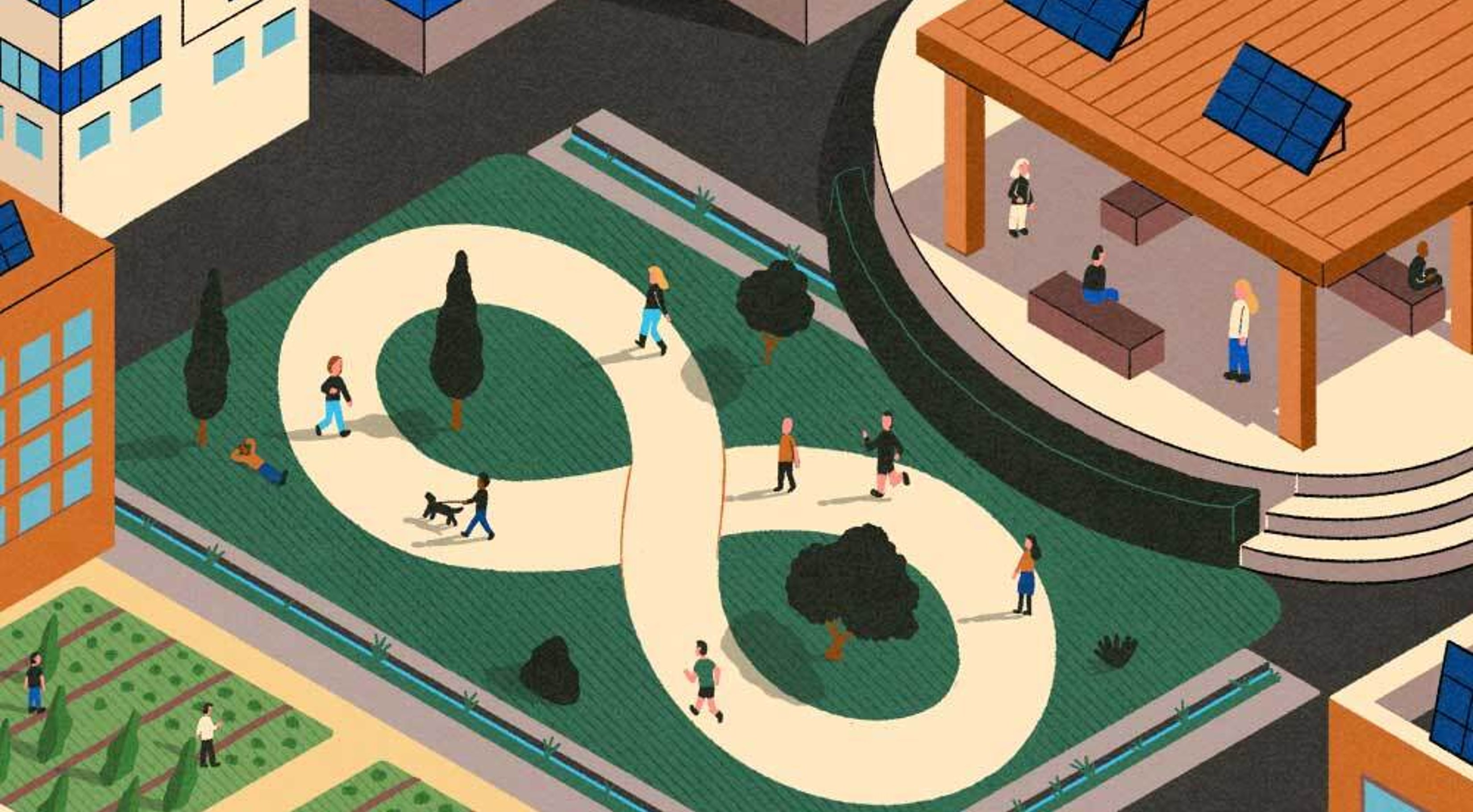
Historically, resilient design has focused on withstanding shocks from natural disasters, like hurricanes, earthquakes, or floods, and recovering from physical system failures.1 Today, however, with mounting and overlapping challenges, this reactive approach can no longer keep pace.
Climate change is widely recognized for driving more frequent natural disasters, increasing average temperatures, and posing health challenges, such as worsening air quality and disease severity.2 It also exposes systemic vulnerabilities whose effects ripple across economies, mental health, social structures, and culture.3
These escalating challenges expose the critical need for proactive design. Starting with acknowledging these multidimensional impacts, this approach anticipates and minimizes disruptions, considers long-term environmental changes, and works on a more nuanced scale to enrich daily life, strengthen social bonds, and build systems that adapt continuously.
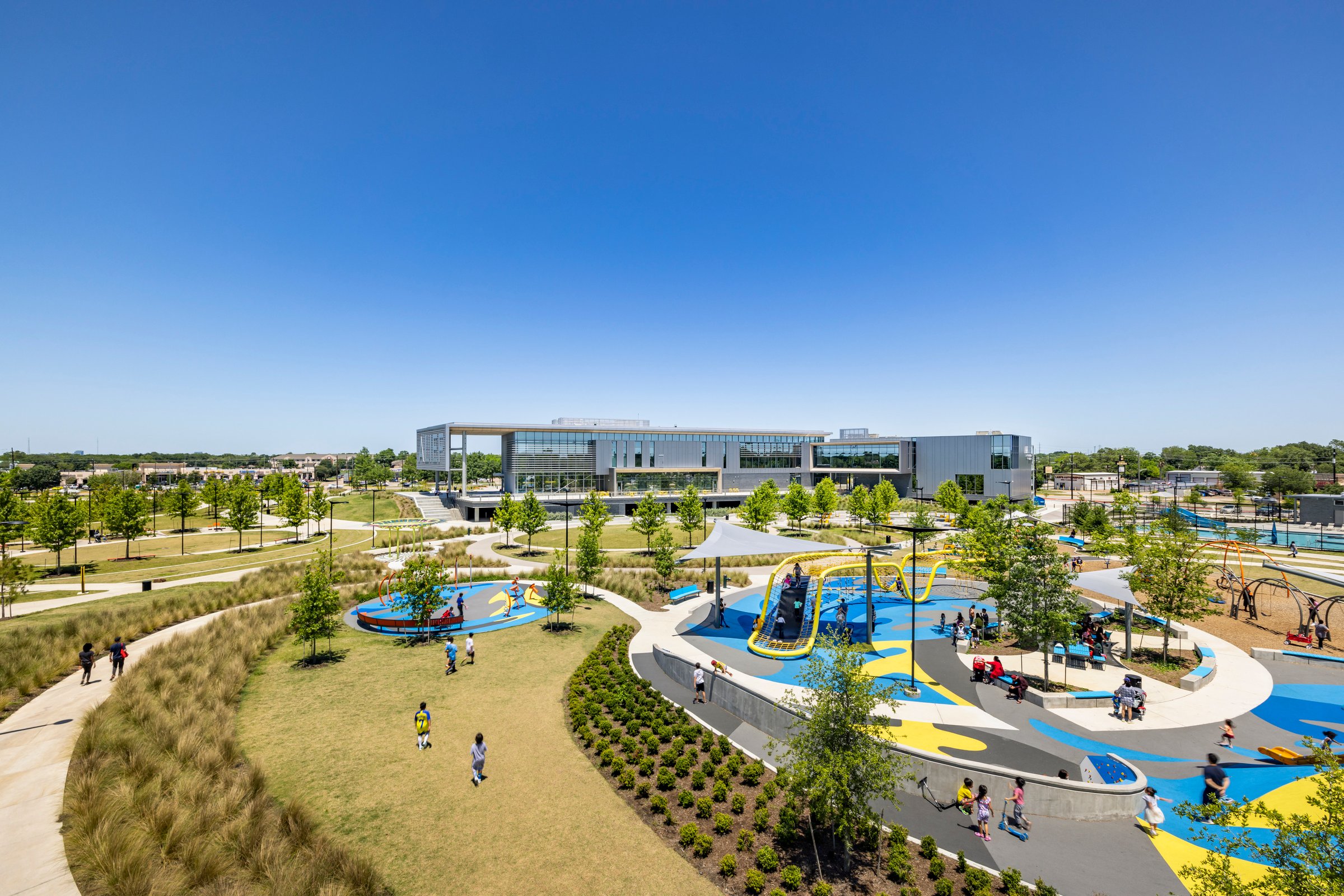
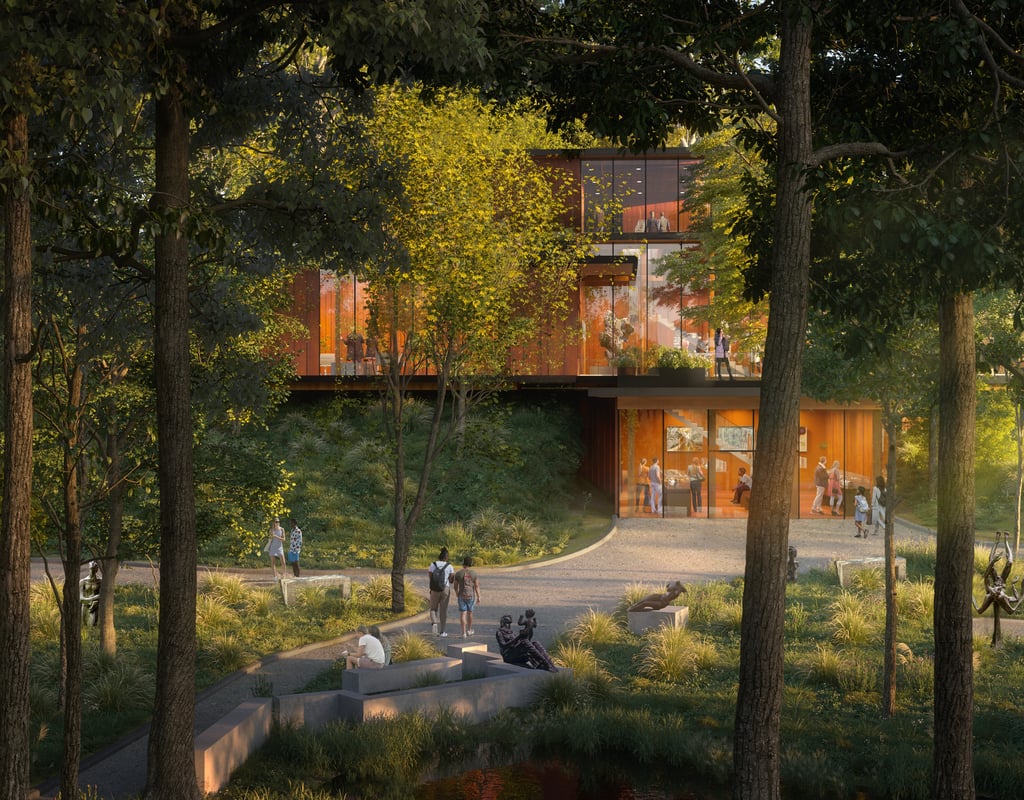
Built for a vibrant multicultural community, the Alief Neighborhood Center and Park offers refuge, safety, and daily connection by elevating civic services, recreation, and resilience in one welcoming hub. Photo by Albert Vecerka/Esto
Natural disasters often cause costly interruptions by fracturing the invisible systems that communities rely on and generating long-term financial strain. For instance, a flood can knock out a power grid, a pandemic can halt global shipping, and a drought can destabilize agriculture and food security.
Along with these macro-level impacts, the ability for communities to adapt and respond to these events is unequally experienced, with disproportionate access to air conditioning, backup power, and green spaces. This uneven distribution of resources deepens social disparities. In addition, individuals with the financial resources to migrate away from vulnerable areas can impact established communities by creating new market pressures, disrupting long-standing neighborhoods, and accelerating cultural displacement.
At an individual level, the mental toll of these disruptions is equally critical to understand and respond to adequately. Studies have shown that people displaced long-term by flooding or exposed to hurricanes experience higher rates of depression, anxiety, and post-traumatic stress disorder (PTSD) than those who have not faced such hazards.4 Similarly, the COVID-19 pandemic offers a clear example of how global disruptions can produce widespread effects on mental health. This event normalized screen-based, indoor lifestyles, particularly for younger generations, which diminished the social interaction and outdoor engagement that is essential for mental and emotional resilience.5
These cascading effects reveal that climate change impacts far more than physical infrastructure. In response, the approach to resilience must embrace a broader spectrum that centers human experience, long-term ecological health, and the social and systemic infrastructures that support thriving communities.

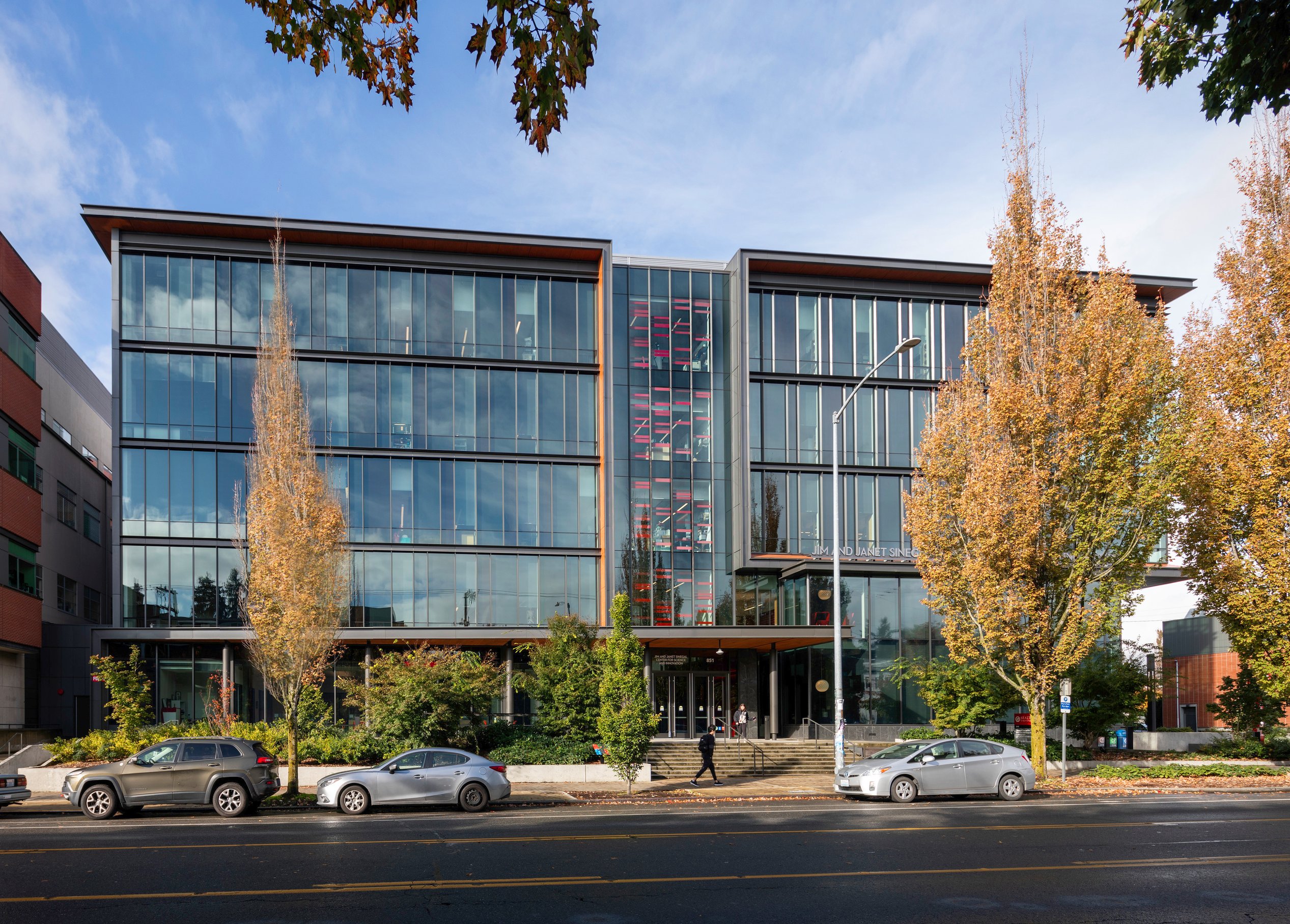
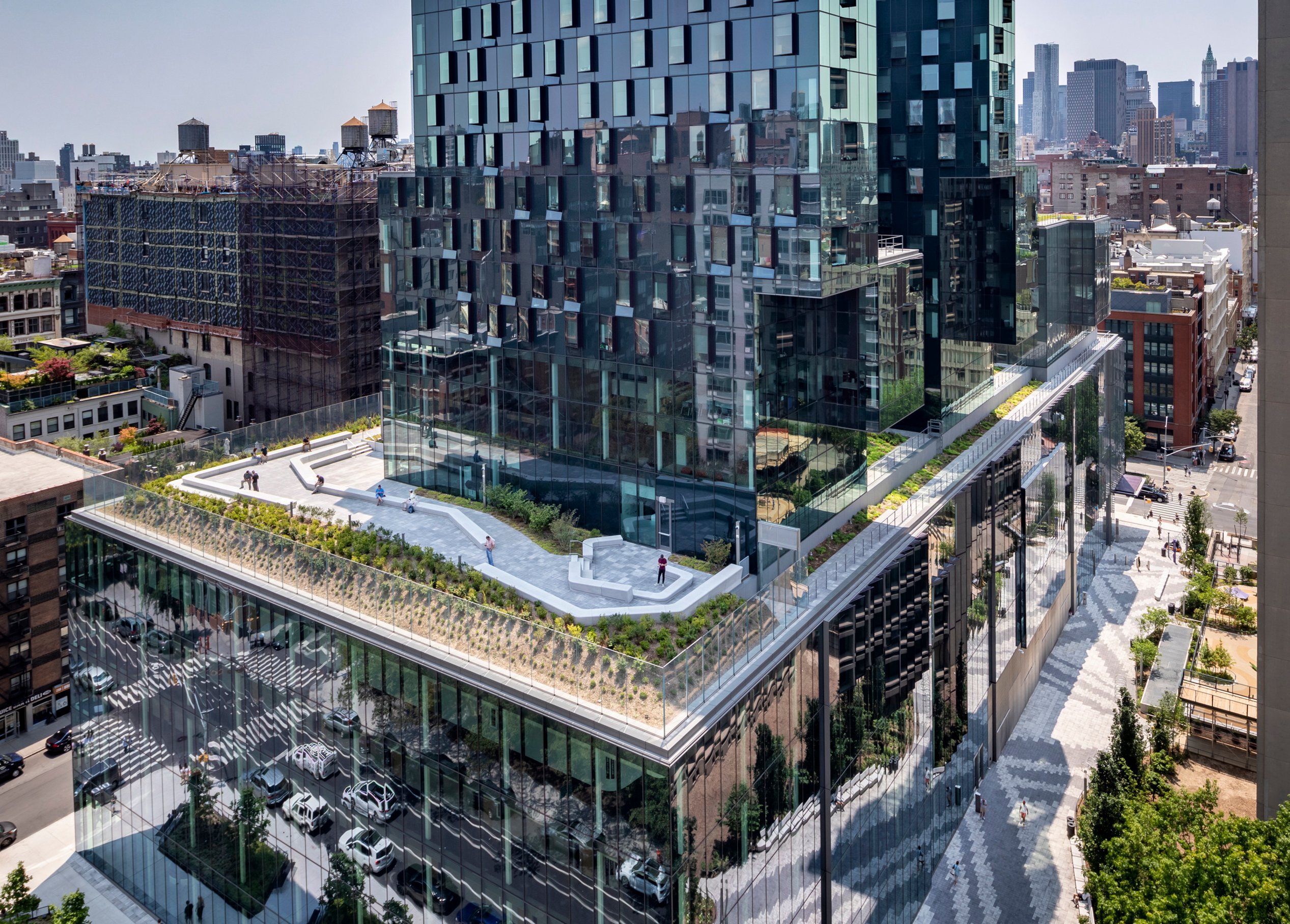
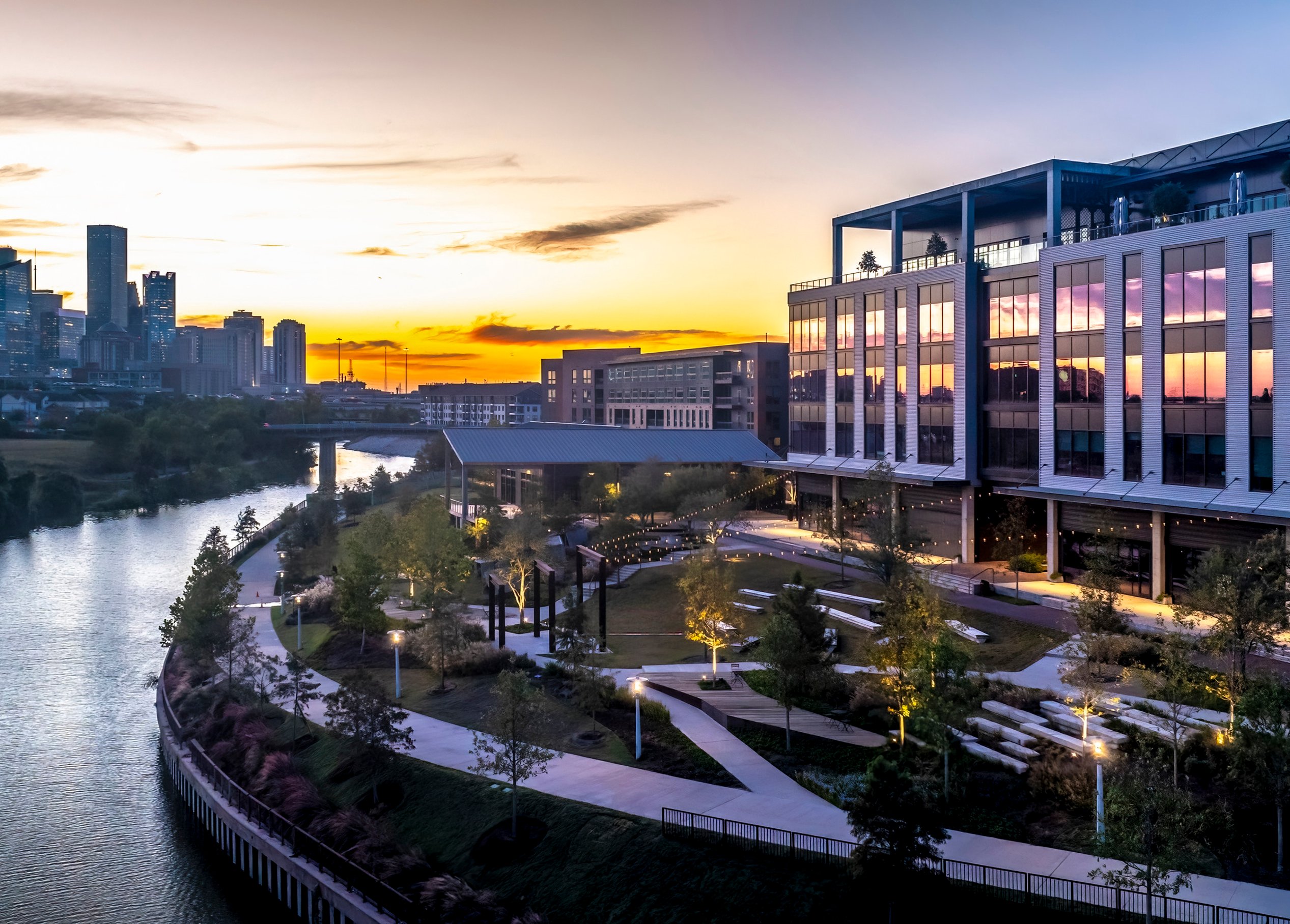
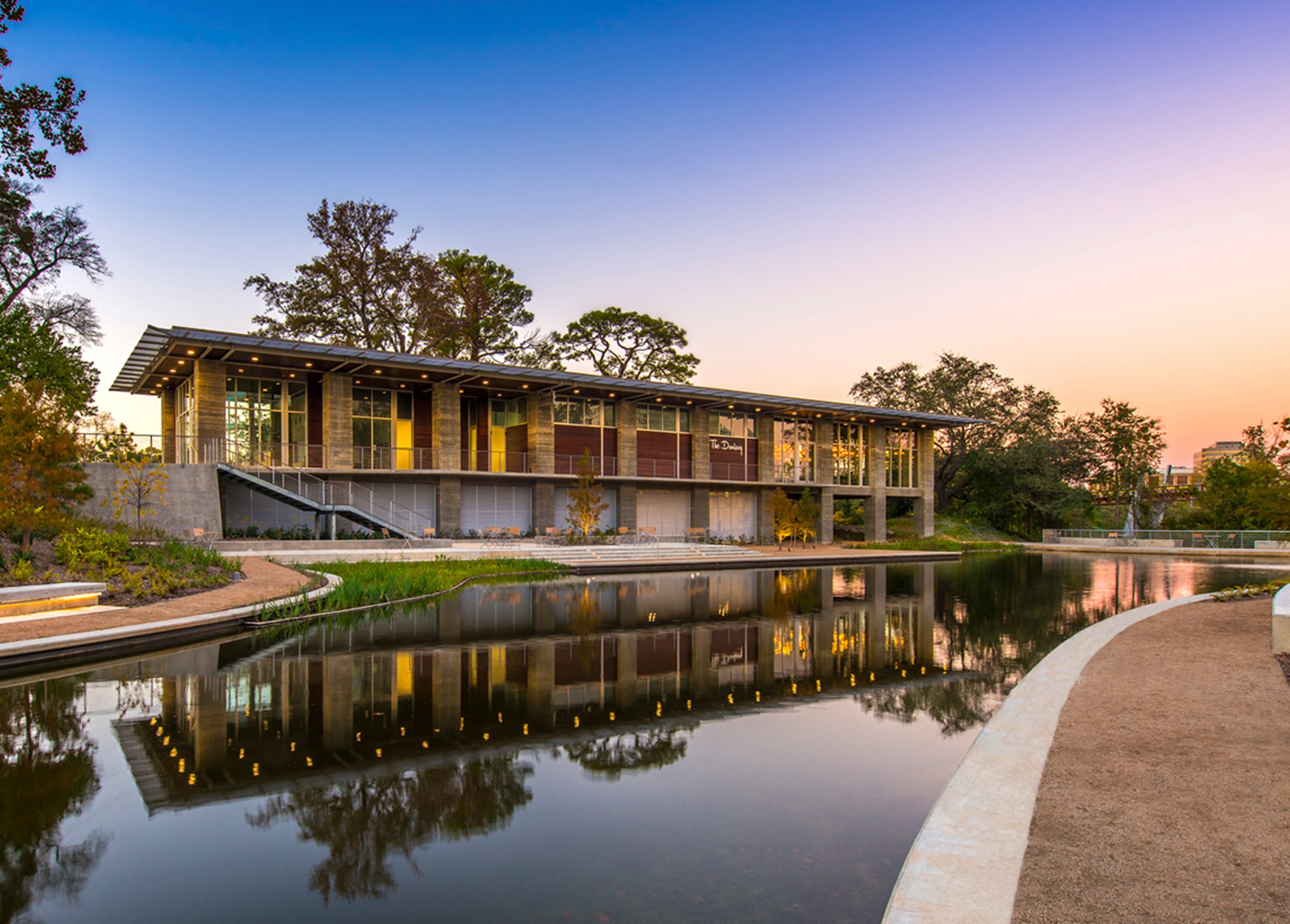
Integrated into Page's vision of performance and purpose, the Design for Impact framework directs every project towards enduring resilience, human well-being, and environmental responsibility.
/
The Design for Impact framework allows Page, now Stantec, to adopt a more holistic approach in balancing environmental and social resilience by focusing the design process around eight interconnected impact areas: energy, ecology, well-being, resilience, water, materials, community, and discovery.
These performance drivers enable architects and engineers to anticipate and mitigate the impact of natural disasters and system failures, while supporting human health and community well-being.
Environmental resilience
Within this framework, environmental resilience involves designing systems that can endure stress while adapting and regenerating over time. Effective water management, for instance, focuses not only on flood control but also on designing landscapes and infrastructure that can absorb, store, and reuse water to reduce strain on municipal systems.
This ecology-focused approach to water management, in turn, actively fortifies cities by cooling microclimates and cultivating biodiversity that reinforces long-term resilience. Similarly, reducing reliance on fossil fuels strengthens communities against energy disruptions and mitigates future climate risk, while context-specific infrastructure ensures that design responses are tailored to each place’s unique vulnerabilities and resources.
Each of these strategies reflects a proactive mindset that prepares environments to absorb shocks and recover quickly.
Human and social resilience
Resilience strategies that focus solely on physical or environmental systems overlook the human networks that ultimately determine how communities rebuild. Because strong social connections are among the most reliable predictors of recovery,6 Design for Impact emphasizes building social infrastructure. To be effective, this foundation must be established well in advance of disruption, through spaces that nurture inclusion, trust, and everyday well-being.
For example, public plazas, community gardens, and shared amenities can help strengthen social ties by supporting informal gatherings and collective identity, while green corridors, daylight, and parks enhance health. Principles like universal design ensure these spaces are accessible for all users.
When disruption does occur, this web of relationships and shared spaces becomes a lifeline, enabling neighbors to share resources and rebuild equitably. Civic facilities can transform into emergency shelters or communication hubs; shaded walkways and cooling areas protect during heat waves; and gathering spaces rally communities for collective response. By embedding this philosophy into the built environment, proactive design helps communities adapt together.
Interwoven resilience
Environmental and social resilience are strongest when they are intentionally reinforced by one another. In other words, proactive design looks for intersections where strategies that protect ecosystems can also enrich human experience, creating solutions that multiply benefits across systems.
Passive House approaches to energy efficiency reduce HVAC demand and enhance well-being through natural daylight and thermal comfort. Local material sourcing can lower embodied carbon while supporting local economies and community identity. Likewise, a biodiverse landscape can improve water management and air quality, but when designed as a walkable or social space, it can also reduce stress, support mental health, and foster connection among people.
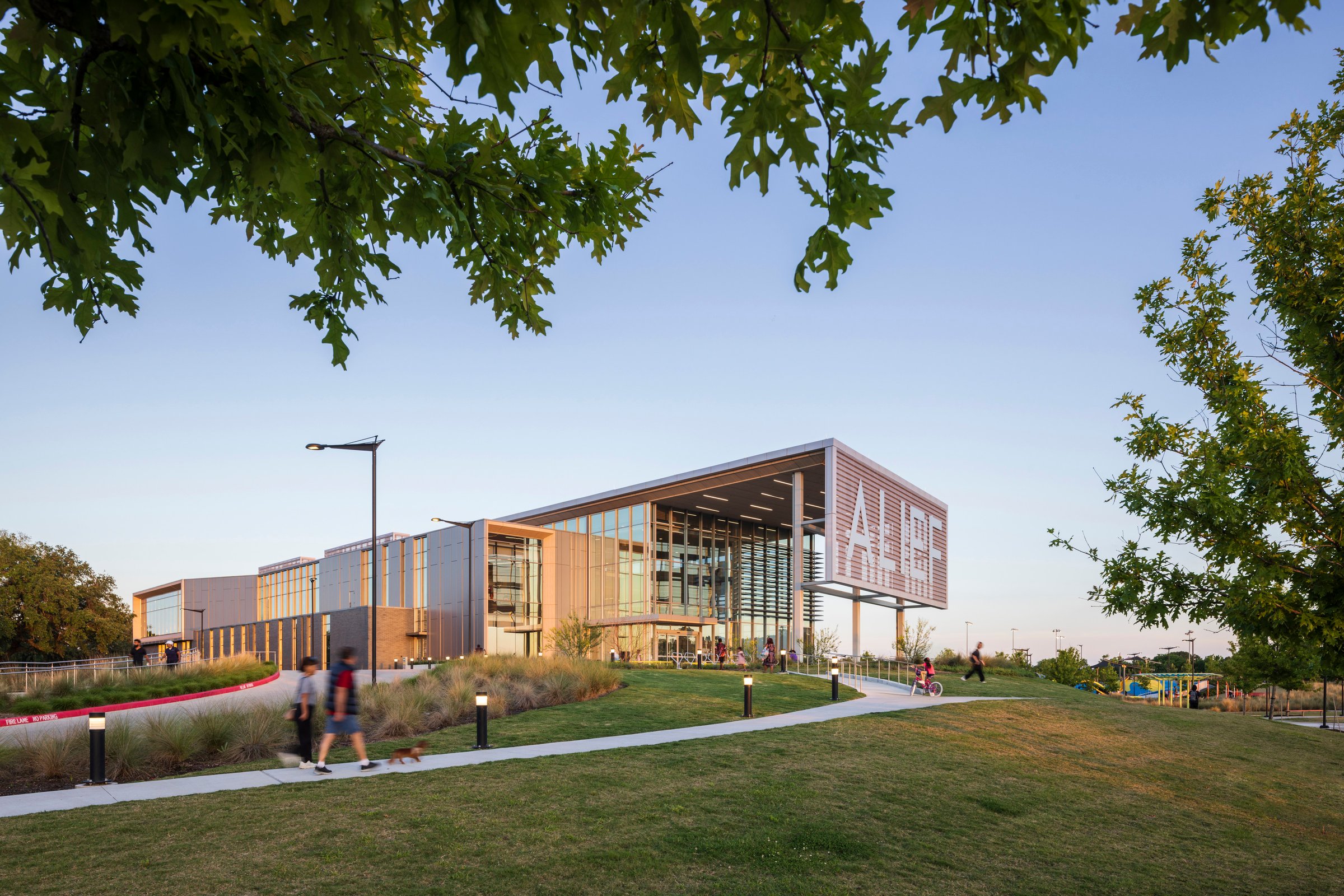
The Alief Center exemplifies Page's Design for Impact framework, strengthening Houston's long-term storm and flood resilience through smart design and community-centered planning.
As the first major project in Houston’s Resilience Master Plan, the Alief Neighborhood Center and Park demonstrates how resilient infrastructure and human-centered design can operate in tandem to strengthen community well-being and response.
Elevated two feet above the 500-year floodplain, it remains operational during storms, powered by backup energy systems and an adaptable garage that can transform into a food distribution center. Its landscape strategy integrates bioswales, native plantings, and preserved heritage trees to manage stormwater, moderate heat, and support pollinators, creating an ecology that protects and restores.
Equally important, the center’s design invests in social infrastructure that builds community strength. Conceived as a year-round civic hub, it features a covered plaza, known locally as the “Biggest Front Porch in Texas,” that supports everything from casual gatherings to cultural events. Co-located programs, such as after-school enrichment, community cooking classes, and all-ages pickleball games, create intergenerational connections that nurture trust and a shared purpose.
When Hurricane Beryl struck in 2024, the center proved its strength. It remained structurally sound and opened outside regular hours as a cooling center, offering safe, air-conditioned space for families during widespread outages. Through this intentional layering of environmental systems and social networks, the Alief Neighborhood Center redefined this community’s response to resilience.
Design for Impact demonstrates how comprehensive, proactive resilience strategies can help ecosystems and communities thrive amid change and disruption. It reframes resilience as a collective human endeavor that unites environmental and social systems to protect people, restore nature, and strengthen the bonds that sustain both.
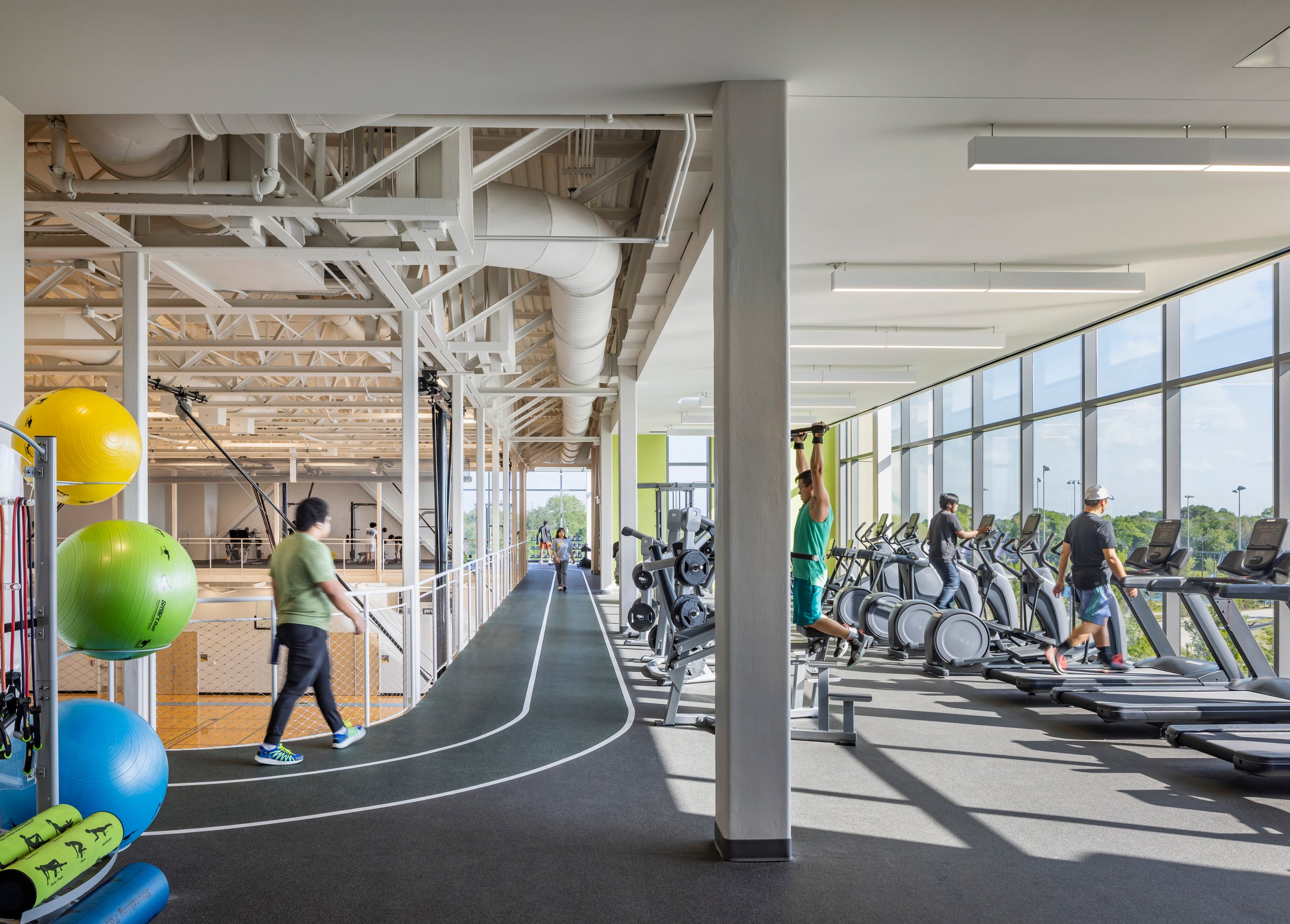
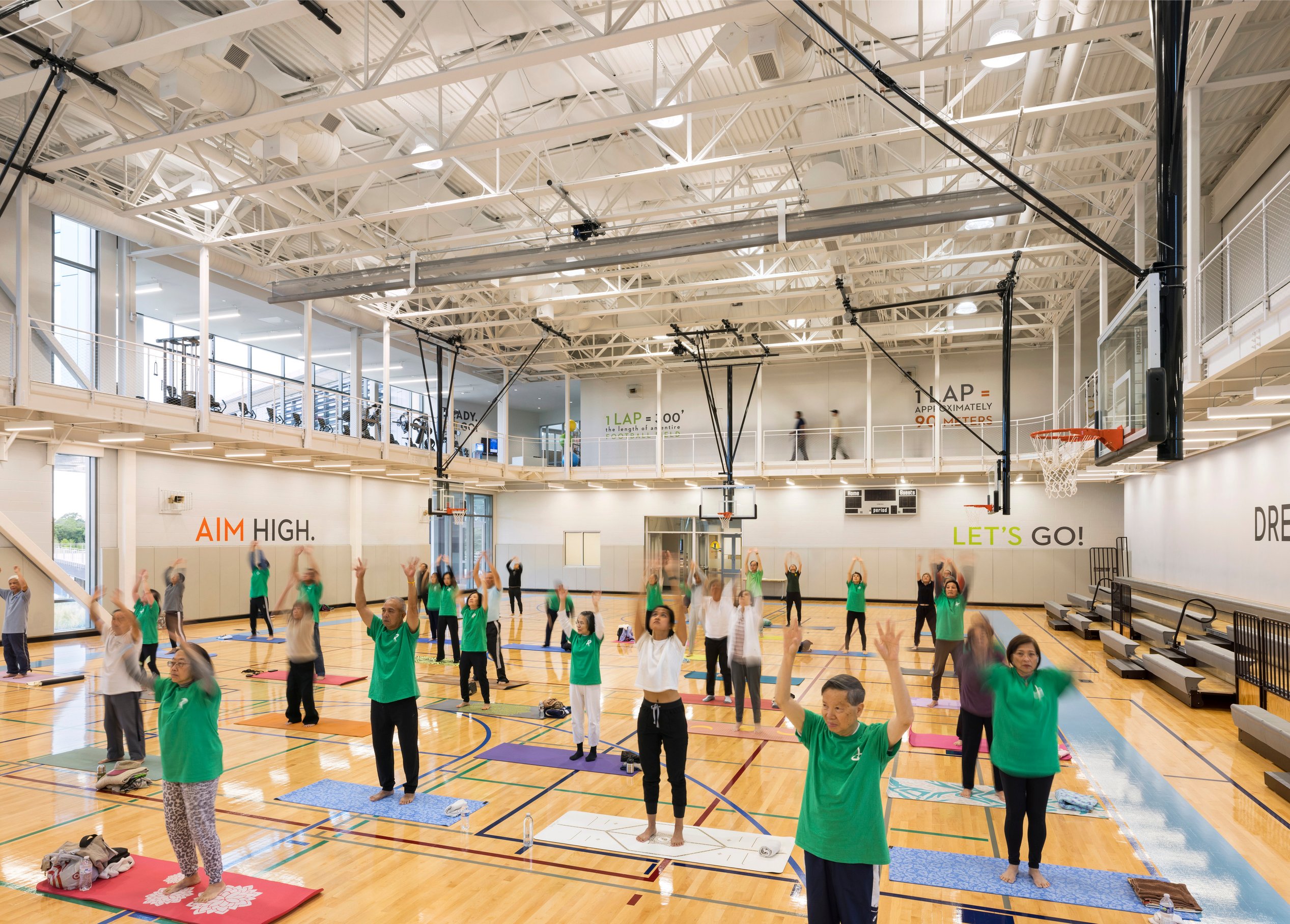
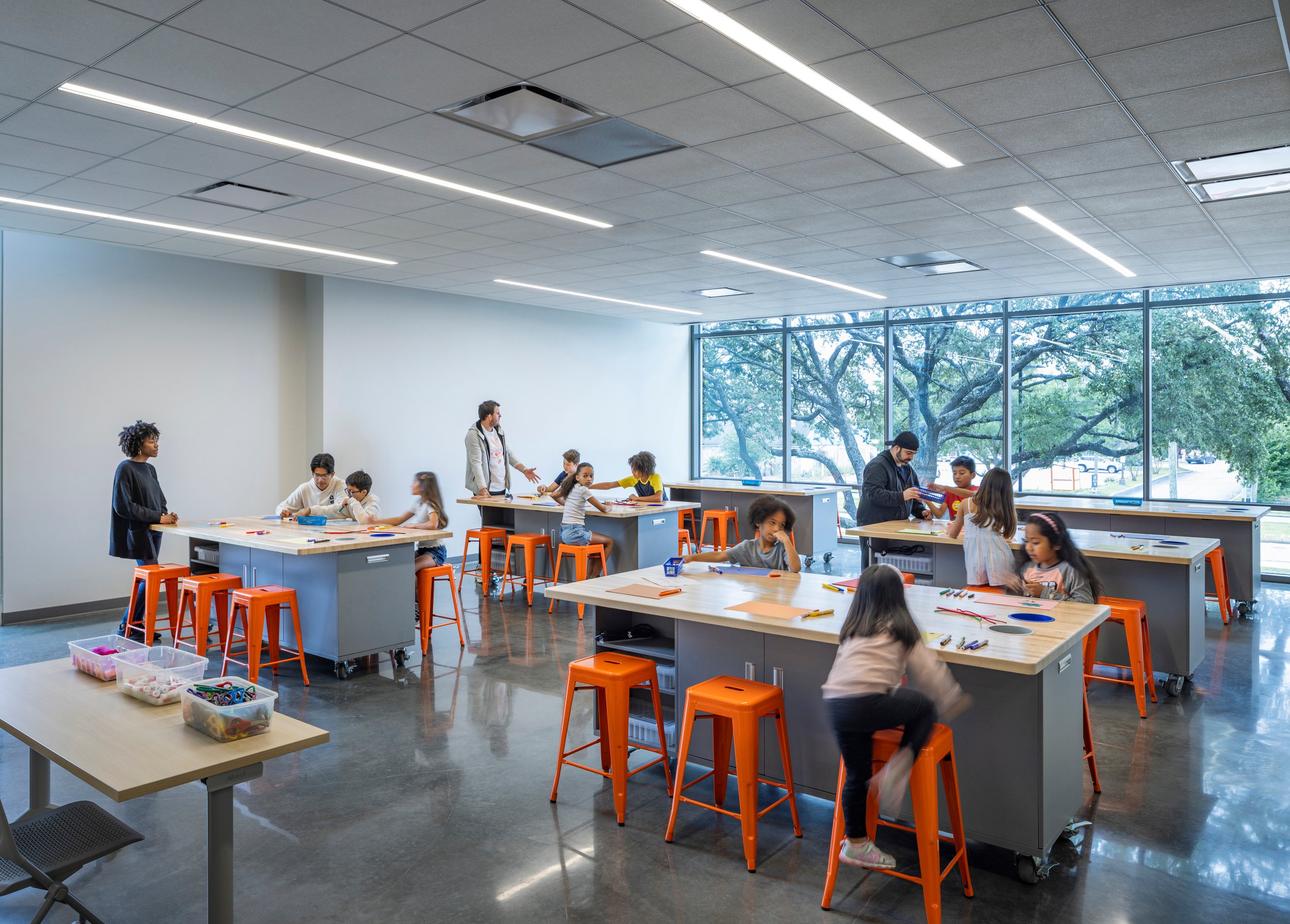
Alief’s indoor spaces blend health, recreation, learning, and community life within an inclusive, adaptable environment shaped by local input. Photos by Albert Vecerka/Esto
/
Managing the Risks of Extreme Events and Disasters to Advance Climate Change Adaptation. [Field, CB, et al.] A Special Report of Working Groups I and II of the Intergovernmental Panel on Climate Change (IPCC). Cambridge University Press, Cambridge, UK, and New York, NY, USA, pp. 555-564.
Srivastava S, Mehta R, Mohanty A, Satapathy P, Sah R, Apostoloopoulos V. Climate change impacts and pandemics. New Microbes New Infect. 2024;63:101556.
Castaño-Rosa, R., Pelsmakers, S., Järventausta, H., Poutanen, J., Tähtinen, L., Rashidfarokhi, A., & Toivonen, S. Resilience in the built environment: key characteristics for solutions to multiple crises. Sustainable Cities and Society. 2022;87:104259.
Munro A, Kovats RS, Rubin GJ, Waite TD, Bone A, Armstrong B; English National Study of Flooding and Health Study Group. Effect of evacuation and displacement on the association between flooding and mental health outcomes: a cross-sectional analysis of UK survey data. Lancet Planet Health. 2017;1(4):e134-e141.
Resende MAA, da Fonseca ML, de Freitas JT, Gesteira ECR, Rossato LM. Impacts caused by the use of screens during the COVID-19 pandemic in children and adolescents: an integrative review. Rev Paul Pediatr. 2023;42:e2022181.
Bakic H, Ajdukovic D. Resilience after natural disasters: the process of harnessing resources in communities differentially exposed to a flood. Eur J Psychotraumatol. 2021;12(1):1891733.

Jill 's mantra is “intention requires rigor,” an apt phrase for someone committed to leading Page's efforts to embed sustainability into every project. Leveraging her strengths as a systems thinker and ability to work across disciplines, Jill combines 20 years of sustainable design experience and a client-centric mindset to her leadership of Page’s Building Science practice. The creator of Page's "Design for Impact" framework, Jill has led our firm-wide strategy on environmental and social responsibility, defined our project best practices, and helped design teams realize meaningful value and measurable impact towards their sustainability goals.

With expertise in crafting compelling narratives that engage diverse audiences, Tully blends creative flair with a keen eye for detail to develop impactful content across platforms. Her work includes award-winning podcast production, content development, and copyediting large-scale documents, all while enhancing brand voices and driving audience engagement. Tully also supports data visualization efforts by transforming complex information into clear, actionable insights through engaging storytelling.
More
by Robert McClure, Alison Ledwith, and Mo Elsayed


Complex challenges need fresh perspectives and deep expertise. Connect with our team to explore how we can help you create spaces that make a real difference.