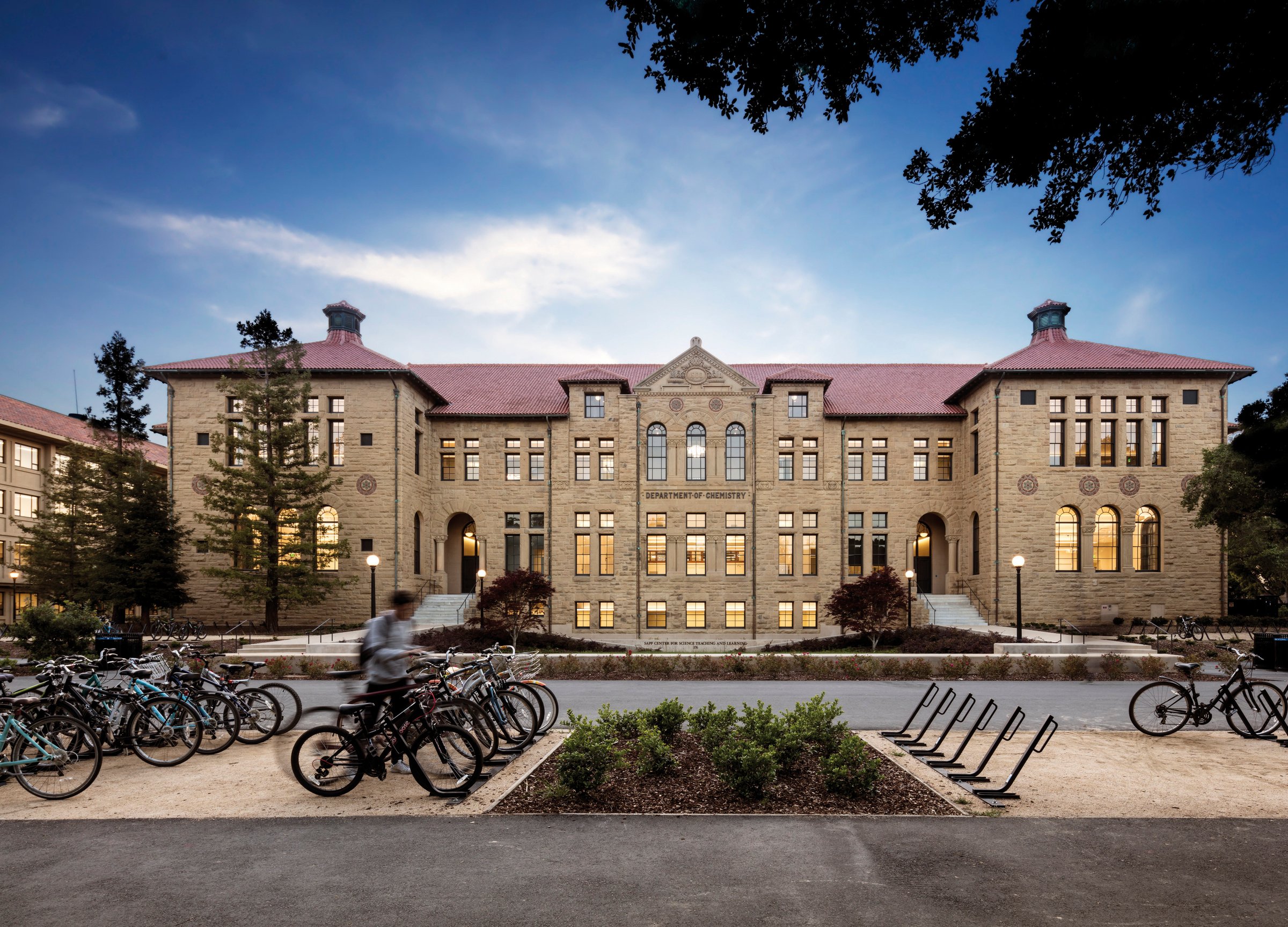
Sapp Center for Science Teaching & Learning
After sustaining severe damage from multiple earthquakes, the Sapp Center for Science Teaching and Learning sat vacant and fenced off from the Stanford campus for over 30 years. Page’s challenge? Preserve the historic fabric of the 1903 structure while transforming its interior to meet the demands of modern science—all in a Zone 4 seismic region.
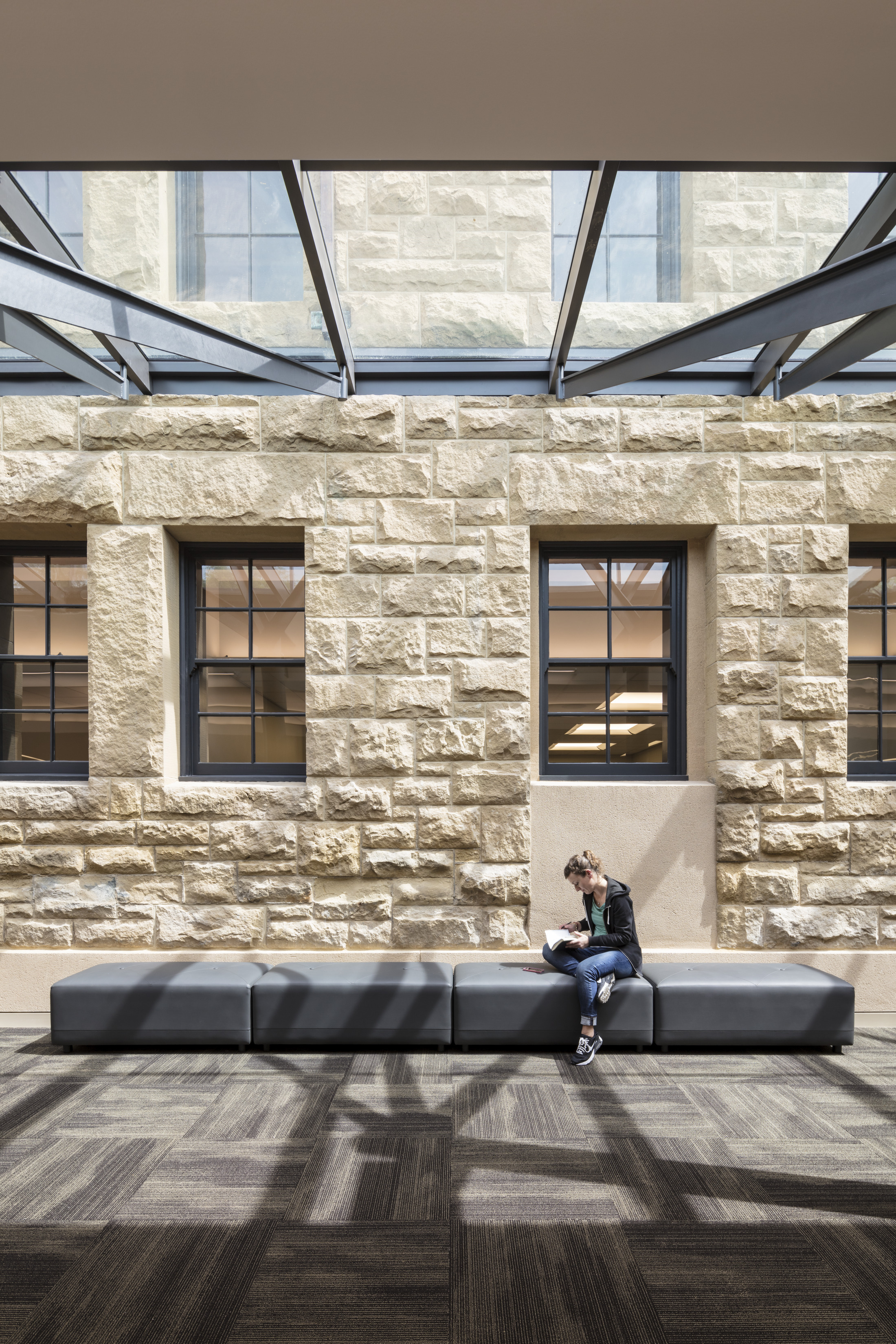
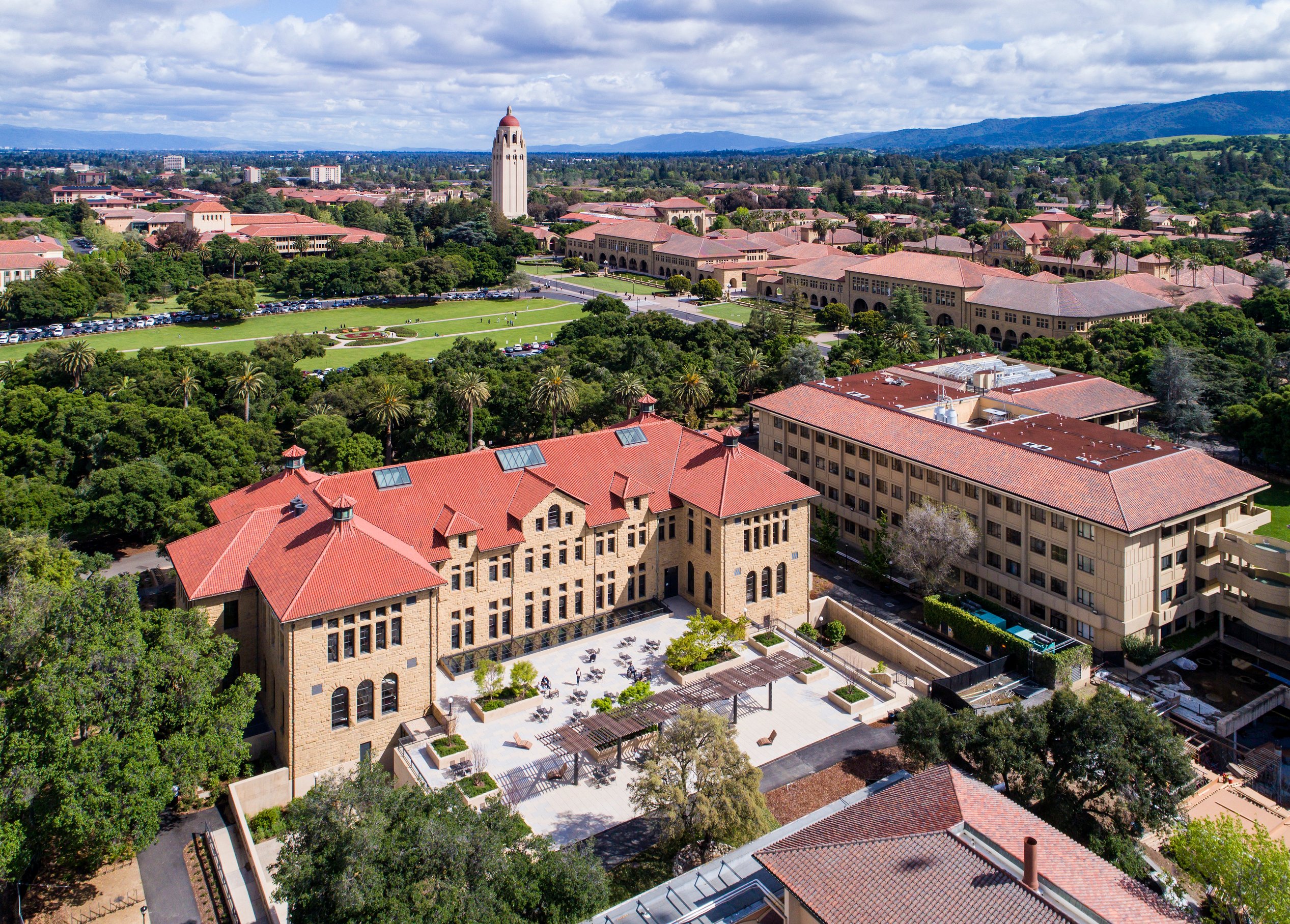
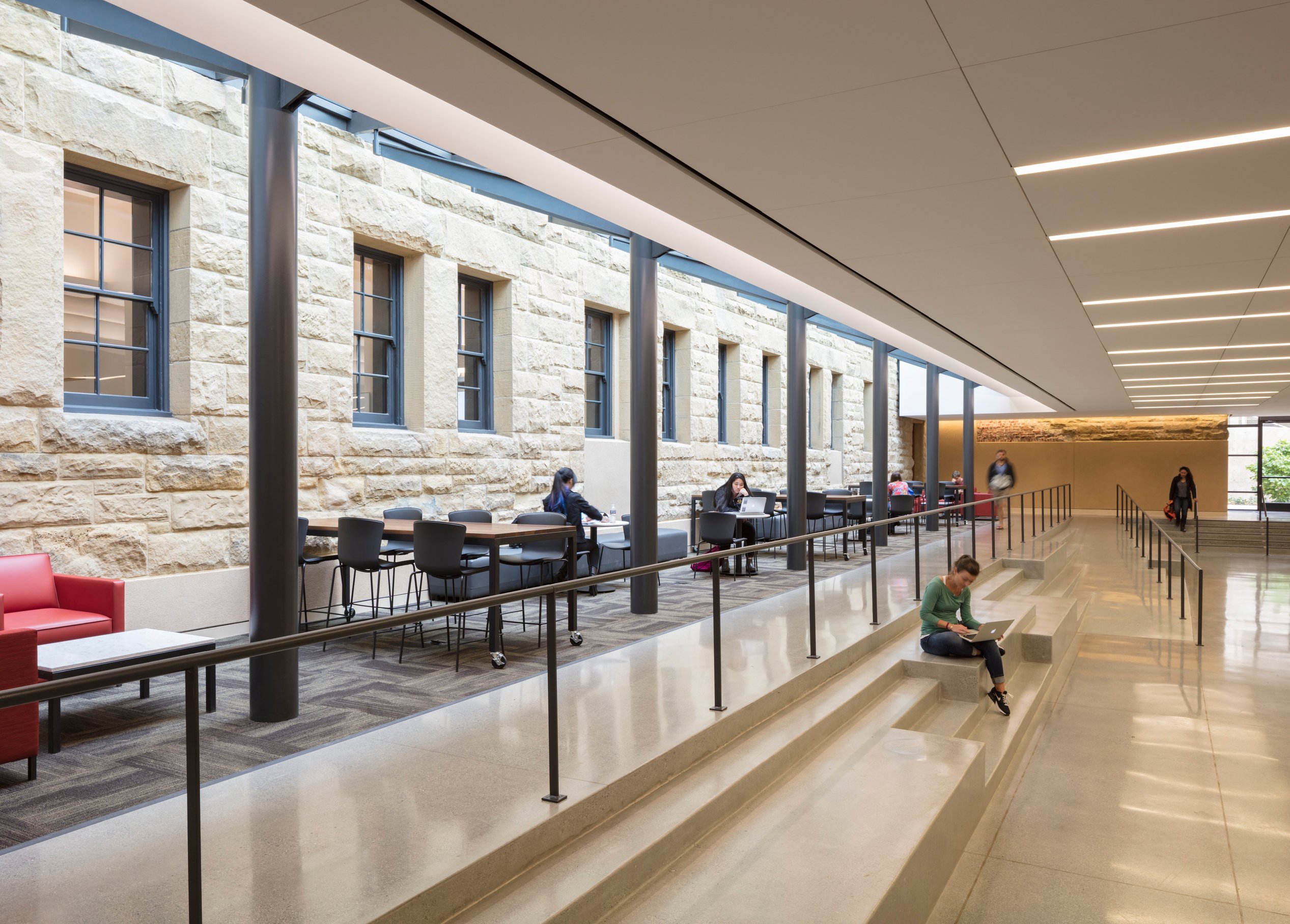
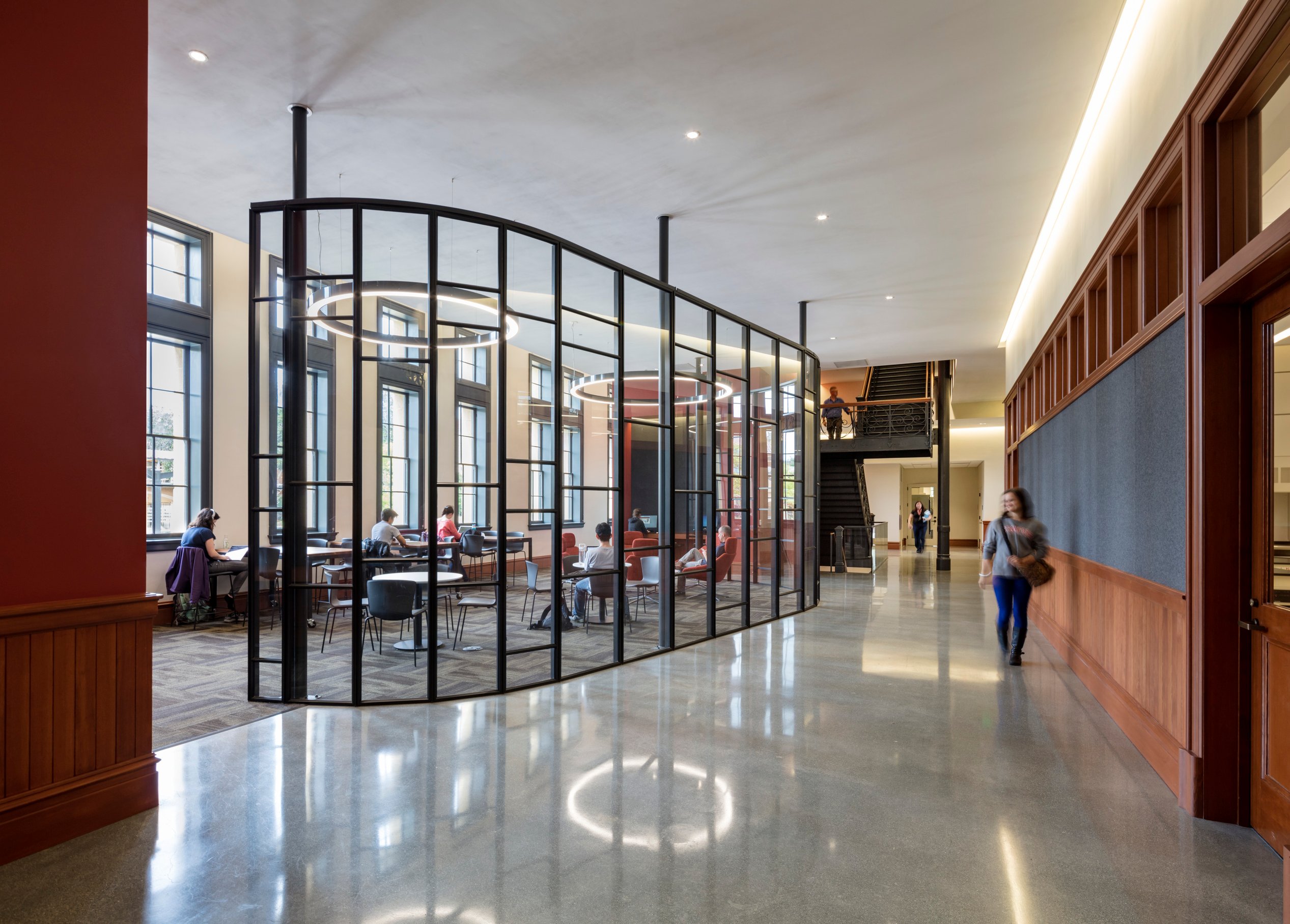
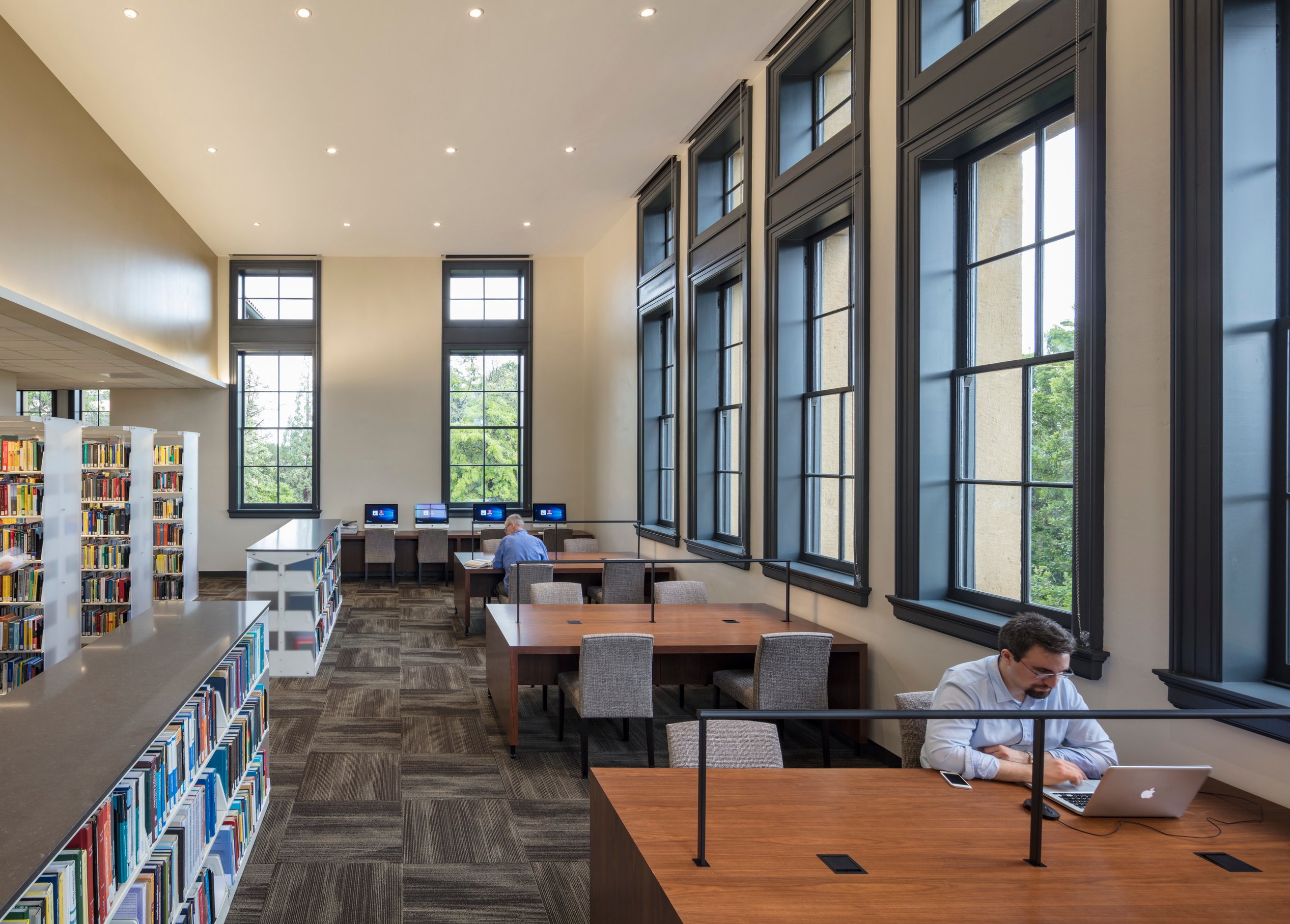
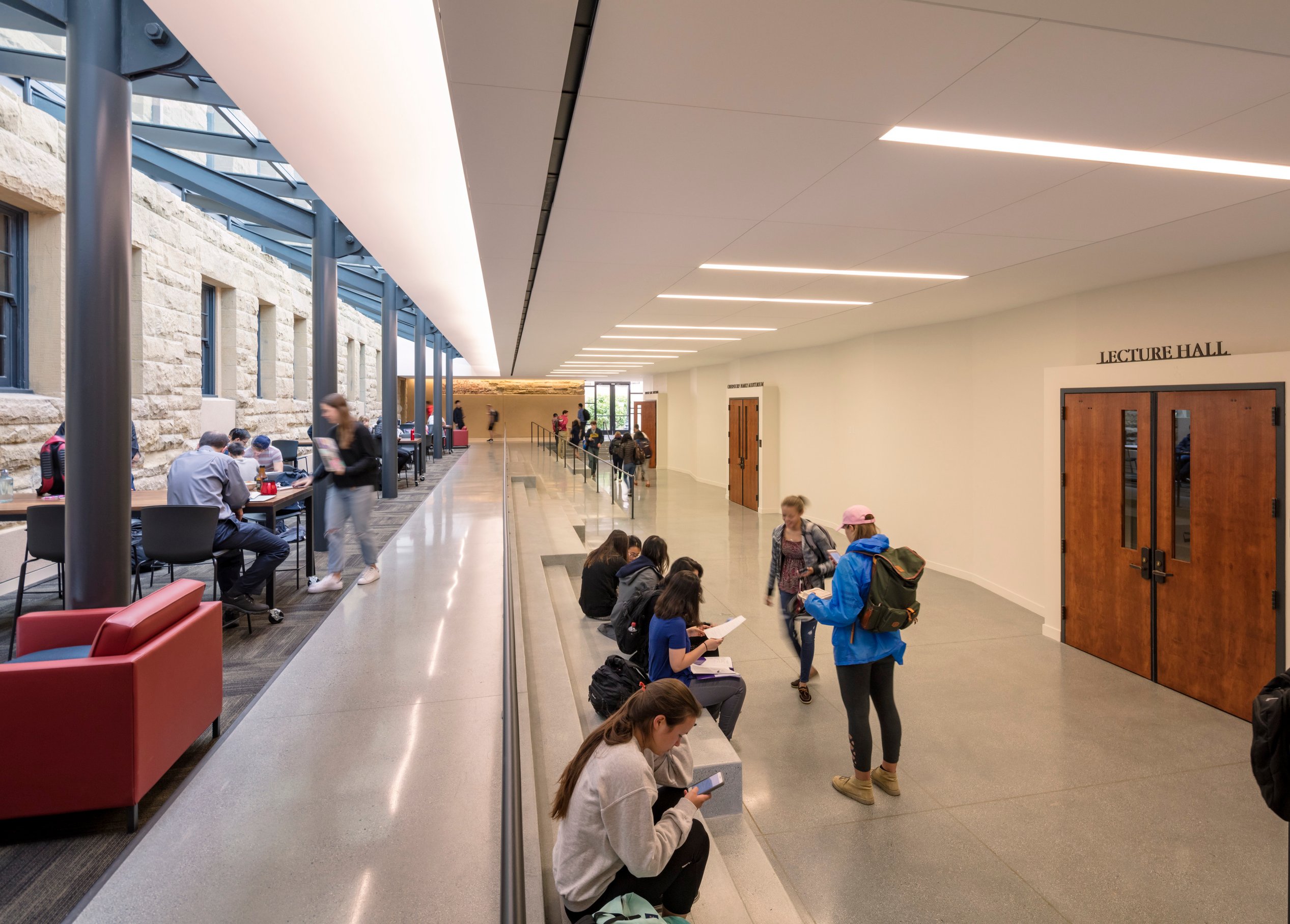
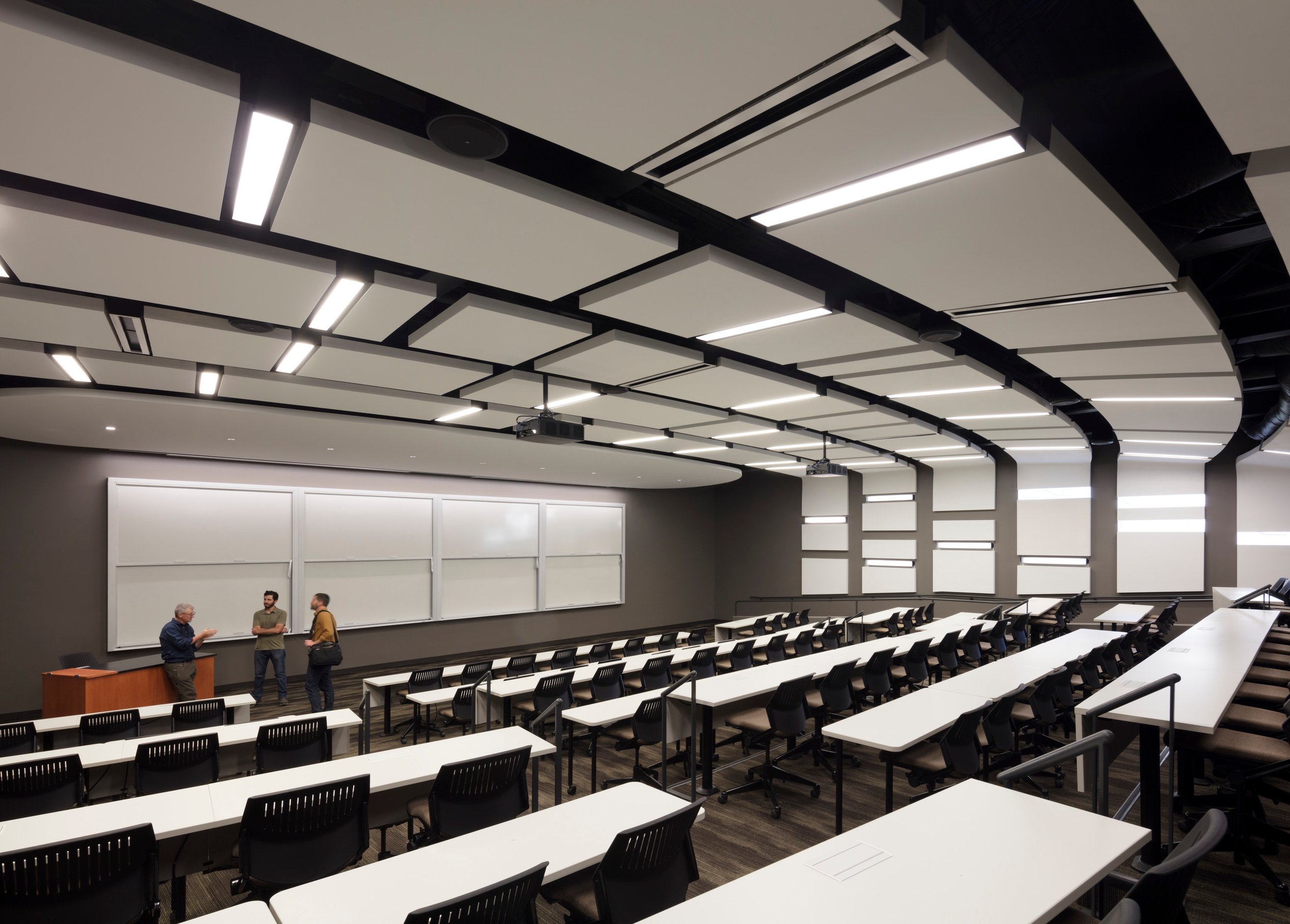
A key component of Stanford’s vision for a Biology and Chemistry District, the 61,000-square-foot modernization showcases the power of architecture, engineering, and preservation working in harmony. The design integrates laboratories, a science library, display areas, an auditorium, and classrooms, all connected by collaboration spaces that foster intellectual exchange. Extensive glazing and a central skylight create an open, light-filled environment.
Anchoring Stanford’s Life Sciences Quad, the Sapp Center breathes new life into the last and largest of the university’s monumental “Noble Structures,” blending history with innovation for the future of science education.
Awards
-
Preservation Design Award, California Preservation Foundation (CPF)
Sustainability
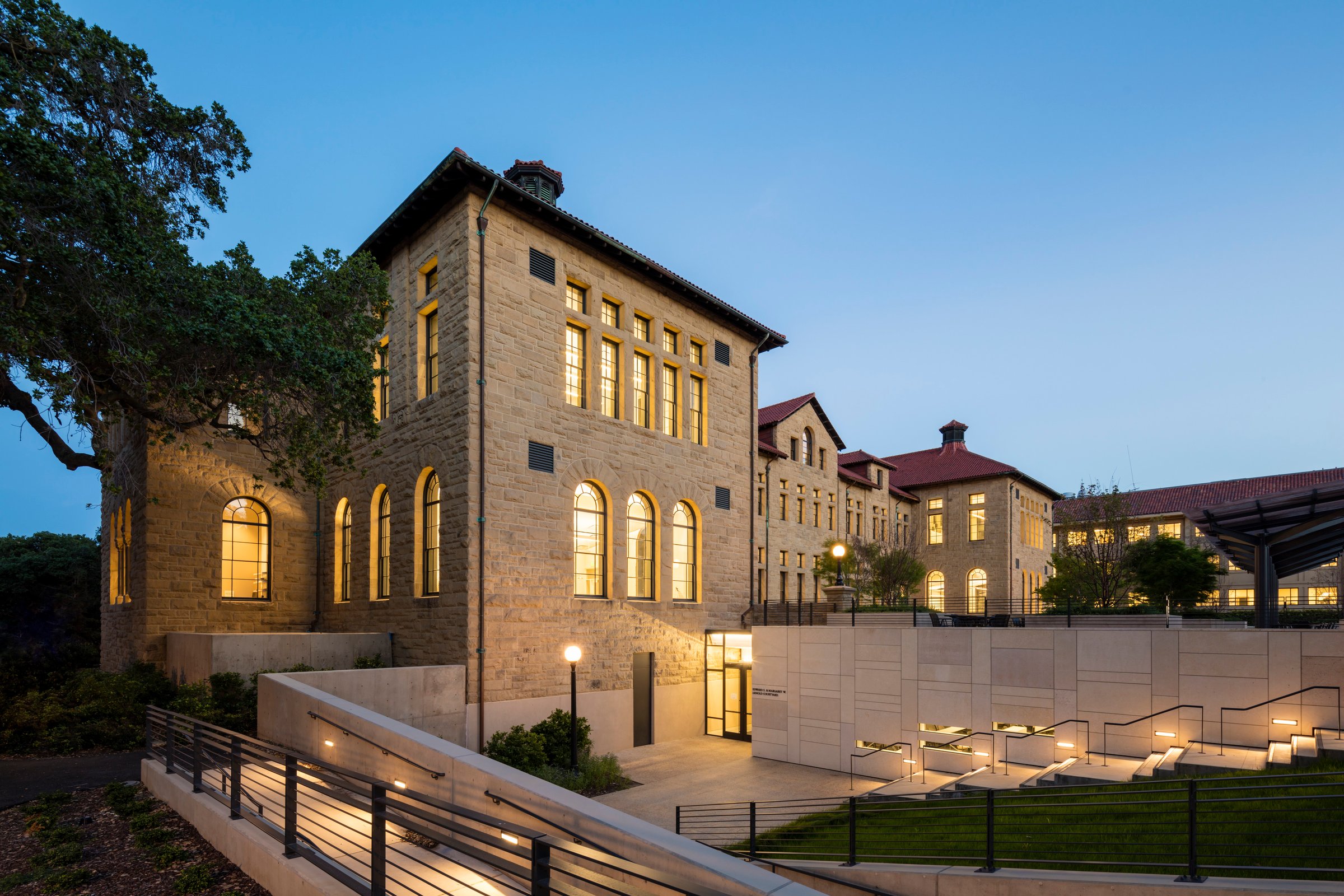
The Sapp Center integrates sustainability through optimized HVAC design, reducing fume hood exhaust rates while maintaining safety. Natural daylighting enhances interior spaces through preserved windows and a skylight. Stormwater management captures 90% of runoff, and 514 landscaped bike parking spaces support Stanford’s bike culture, promoting a greener campus.
Preservation
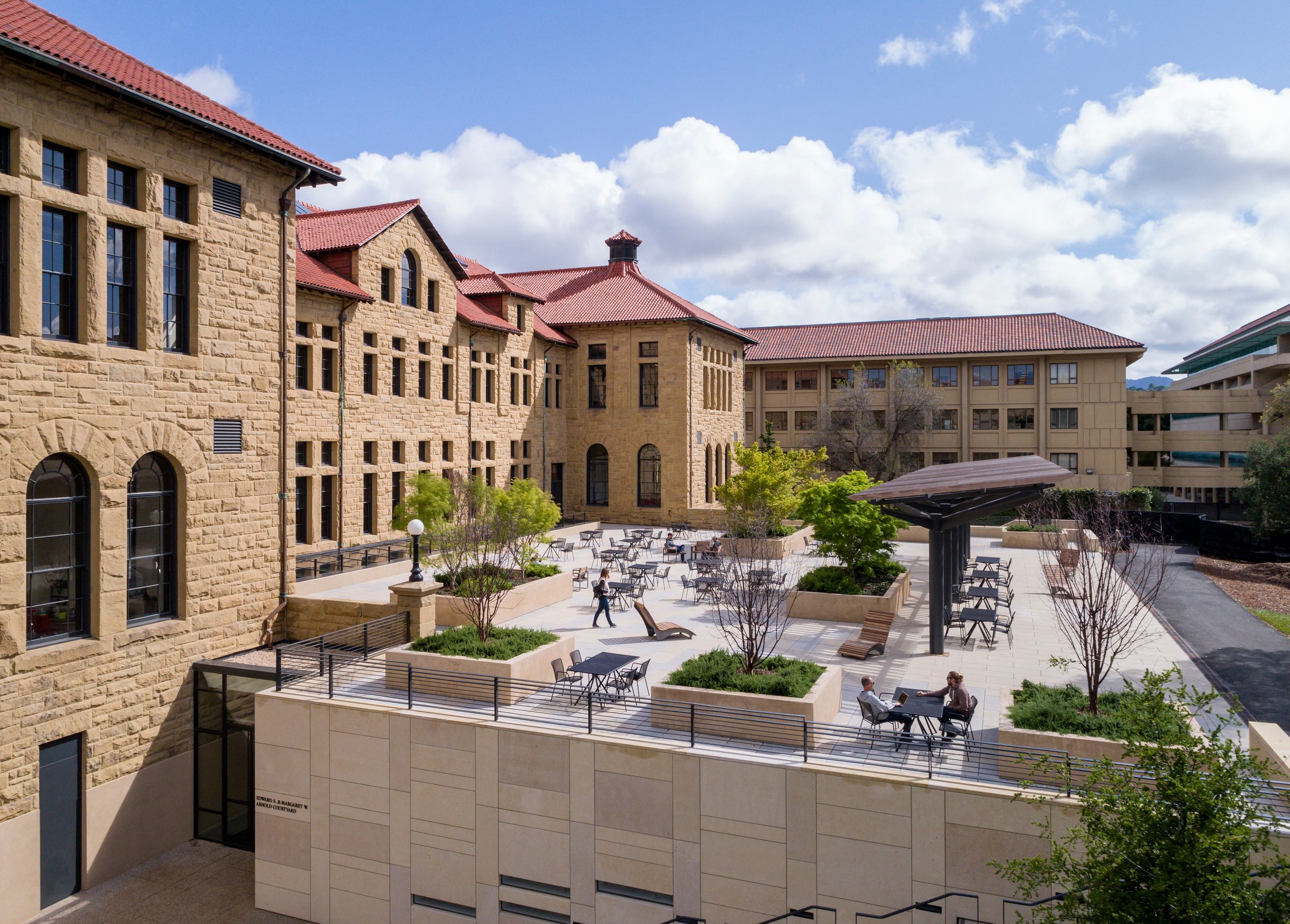
In association with CAW Architects, the team preserved as many of the building’s historic elements as possible, including retaining the exterior sandstone and cladding the 13,000-square-foot addition in complementary French limestone.
Old lab tables were repurposed in the library, telling the stories of researchers' past. And original windows with etched messages from former students were carefully maintained. The revitalized building is a testament to Old Chem’s impact on generations of students.

“Our ‘new-old’ solution was to highlight the core elements of the existing building—rock-faced sandstone, plaster interior walls, redwood wainscoting and cast-iron columns and stairs—by revealing them with zero sightline glazing, powerful exposed steel structure, and complementary use of polished concrete and smooth French Limestone exterior walls on the addition. ”Rick ClarkePrincipalDesign Director
/
Similar projects

/

Talk with us
Complex challenges need fresh perspectives and deep expertise. Connect with our team to explore how we can help you create spaces that make a real difference.